

How to Choose the Right UTV Door for Your Ride
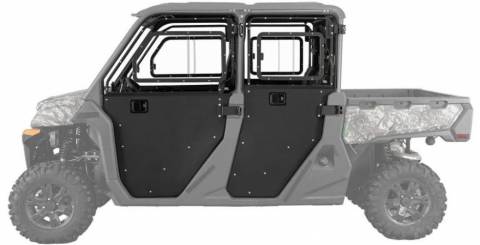
Most UTVs roll off the factory floor with open sides or, at best, a basic lower panel. That setup feels fine on a smooth, dry trail, but it starts to show its limits the moment things get messy. Dust rolls into the cab on a desert run, mud kicks up from the tires on a wet trail, and a cold morning ride turns into a wind-chill test for your legs and arms.
That's usually the point where riders start looking at aftermarket doors. But here's the thing: there isn't one door that works best for everyone. A rancher running fence lines in the heat has different needs than a hunter climbing into the mountains in November. Picking the right door means matching the design to how, where, and when you actually ride, not just grabbing whatever fits your model.
Understand the Main Types of UTV Doors
Before comparing use cases, it helps to know what's actually out there and what each style changes about the way your cab feels and behaves on the trail.
Lower door panels or inserts cover roughly the bottom half of the door opening. They're often the lightest and least expensive option, and they mainly stop rocks, mud, and debris from flying into the footwell. Half doors extend coverage further up, usually to around elbow or shoulder height, while leaving the top open, which keeps airflow moving through the cab while still blocking most trail debris. Full doors close off the entire opening from floor to roofline (or to the base of the windshield), giving the most complete protection from weather and debris but cutting down on airflow and outward visibility.
Upper doors attach above a lower panel or half door to add coverage higher on the body, often used to round out a partial enclosure without replacing the whole door. Convertible or vented doors include a window or panel section that can be opened, removed, or adjusted, so the door can flex between more airflow and more coverage depending on conditions. Frame material, whether aluminum or steel, and window sections in clear or polycarbonate are separate choices layered on top of these styles, affecting weight, rigidity, and visibility rather than the basic coverage the door provides.
None of these designs is a straight upgrade over another. Each one is a trade-off between protection, airflow, weight, and visibility.
Choose a Door Based on How You Ride
Once you know the basic categories, the next step is lining them up against your actual riding conditions. Here's how different situations tend to point toward different door choices.
Recreational trail riding. For general trail use in mixed conditions, half doors or lower inserts often strike a reasonable balance. They block the worst of the debris without turning the cab into a sealed box.
Farm or utility work. Doors used for daily chores around a property tend to prioritize durability and easy access over weather sealing. A simple, sturdy lower panel that won't get damaged by tools or gear loaded in and out of the cab is often more practical than a full enclosure.
Muddy terrain. Mud thrown from tires tends to reach higher on the body than dry dust does, so half doors or full doors generally hold up better than lower-only inserts when trails turn wet and sloppy.
Desert or dusty riding. Fine dust can work its way into a cab through almost any gap, so full doors with a tighter seal, or a vented door that can be closed when conditions call for it, tend to help more than an open half door.
Cold-weather riding. Wind chill at speed makes cold-weather riding uncomfortable fast. Full doors, or a full door paired with upper coverage, cut down on wind intrusion far more than a half door will.
Hot summer riding. When heat is the main concern, airflow usually wins out over full coverage. Half doors, lower inserts, or a vented door left open let air move through the cab and keep riders more comfortable.
The table below summarizes these trade-offs at a glance.
|
Door Type |
Main Benefit |
Main Trade-Off |
Suitable Use |
|
Lower Door Insert |
Blocks debris from lower cab area |
Limited upper-body coverage |
General trail riding |
|
Half Door |
Protection with more airflow |
Less weather coverage |
Warm-weather riding |
|
Full Door |
More complete cab coverage |
Reduced airflow |
Cold or wet conditions |
|
Vented/Convertible Door |
Adjustable protection and airflow |
More components |
Mixed-season riding |
|
Upper Door |
Adds upper-body weather protection |
May affect ventilation |
Seasonal use |
Check Fitment Before Buying
Even the right door style will cause problems if it doesn't fit the vehicle correctly, so fitment deserves as much attention as style.
Before buying, confirm the following:
- UTV make and model. Door frames and mounting points differ across brands, and even within the same brand's lineup.
- Model year. Manufacturers sometimes update door openings or mounting hardware between model years, even on a vehicle that otherwise looks unchanged.
- Two-seat or four-seat configuration. Four-seat models usually need a different door count and sometimes different dimensions than their two-seat counterparts.
- Factory door design. Some aftermarket doors are meant to replace factory doors entirely, while others are meant to be added alongside existing lower panels.
- Mounting points. Hinges and latches need to line up with the vehicle's existing hardware or include their own mounting kit.
- Clearance around mirrors. A door that's slightly too wide or angled wrong can interfere with side mirrors when opening or closing.
- Windshield and roof compatibility. Full doors in particular need to line up correctly with an existing windshield frame or roof structure.
- Existing aftermarket accessories. Door bags, nerf bars, or other add-ons already installed on the vehicle can affect whether a new door fits properly.
This is one of the most useful places to compare options side by side, since many suppliers organize their listings by make and model, style, and material, similar to how Kemimoto's UTV door selection is broken down by vehicle fitment. Working from a specific vehicle listing, rather than a general search, cuts down on the guesswork.
Think About Material and Construction
Once fitment and style are settled, material and frame construction shape how the door feels day to day and how it holds up over time.
Aluminum-framed doors tend to run lighter than steel-framed versions, which can make a noticeable difference in how the door swings and how much strain it puts on hinges over years of use. Steel-frame doors generally offer more rigidity and can feel more solid when closing, though that comes with added weight.
Doors that include clear or polycarbonate window sections improve visibility compared to fully solid panels, which matters most on tighter trails or in situations where spotting other riders or obstacles quickly is important. The trade-off is that these window sections need occasional cleaning to stay clear, since dust and mud settle on them just like on any other exterior surface.
Weight on the hinges over time, how easy the surface is to wipe down after a ride, and how exposed the door will be to sun, rain, or road salt are all worth thinking through before settling on a material. There's no universally "better" choice here. A lighter aluminum door might suit a rider who values easy handling, while a steel-frame door might suit someone who wants the most solid-feeling closure regardless of weight.
Make Sure the Door Works With the Rest of the UTV
A door doesn't operate in isolation. It's part of a broader cab setup, and choosing it without considering the rest of that setup can lead to mismatched gear.
Consider how a new door interacts with:
- Windshields. A full door needs to align with the base of the windshield frame, or gaps can open up along the seam.
- Roofs. Roof overhangs and door height need to work together, especially with full or upper doors.
- Side mirrors. As mentioned earlier, mirror position affects door swing and clearance, and this is worth double-checking even after fitment is confirmed.
- Storage accessories. Door bags and similar storage add-ons are often designed around a specific door style, so switching styles may mean the storage no longer attaches the same way.
- Cab enclosures. If a full soft or hard cab enclosure is already installed, a new door needs to integrate with that enclosure rather than fight against it.
Thinking of the cab as one connected system, rather than a collection of separate parts bought independently, makes it easier to end up with a setup that actually works together instead of one that technically fits but doesn't function well as a whole.
Installation Checks Before the First Ride
Once the right door has been chosen and fitted, a few basic checks before hitting the trail can save a headache later. This doesn't require mechanical expertise, just a few minutes of attention.
- Confirm all mounting hardware is secure.
- Open and close the door several times to make sure it swings freely.
- Check that the latch engages correctly and holds the door shut without extra force.
- Make sure the door does not interfere with mirrors or body panels when opening or closing.
- Sit in the normal driving position and check visibility through and around the door.
- Recheck hardware after the first few rides, since vibration on rough trails can loosen bolts that seemed tight at installation.
None of this needs to turn into a full inspection routine. It's a short checklist, not a teardown.
Common UTV Door Buying Mistakes
A lot of buying mistakes come down to skipping one of the steps above. Some of the more common ones include:
- Choosing a door based mainly on how it looks, without considering how it performs in the rider's typical conditions
- Getting the fitment wrong by not double-checking model year or seat configuration
- Ignoring summer airflow needs and ending up with a full enclosure that feels stuffy in warm weather
- Buying maximum coverage when the rider only needed basic lower protection
- Forgetting to check windshield or roof compatibility before ordering a full door
- Focusing only on the frame material while overlooking whether the door style itself suits the riding conditions
- Adding more weight and complexity than the vehicle's actual use calls for
Most of these are avoidable simply by working through fitment and use case first, then narrowing down material and features second.
Conclusion
There's no single "correct" UTV door, only the one that fits a particular vehicle, climate, terrain, and riding style. A door built for cold-weather trail rides won't necessarily suit someone riding through hot, dusty conditions, and a door chosen purely on looks can end up mismatched with the rest of the cab setup.
Before buying, it helps to step back and identify the actual problem that needs solving: is it dust, mud, cold wind, general protection, or airflow? Once that's clear, narrowing down between lower inserts, half doors, full doors, or a convertible design becomes a much more straightforward decision, and the resulting setup is far more likely to hold up to how the vehicle actually gets used.
Similar Articles

Explore new dirt bike models, key features, and expert buying tips to choose the right ride for performance, durability, and off-road adventures.

Clear, student-friendly guide to EV powertrains covering motors, batteries, inverters, and control systems for mechanical and electrical engineers.
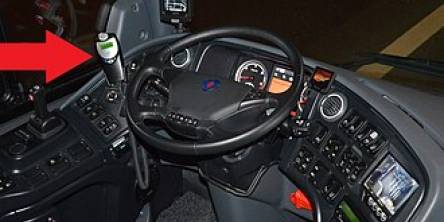
The interaction between alcohol ignition interlock devices and insurance coverage is an important consideration for those who have been mandated to install such devices.
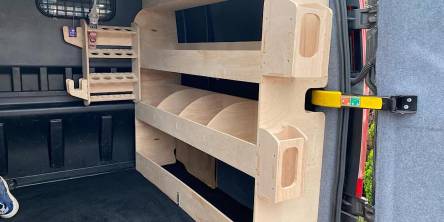
Custom van racking helps tradespeople stay organized, protect tools, and work faster. Learn how vehicle-specific systems improve efficiency.

Car accidents can be stressful and overwhelming, often leaving drivers with damaged vehicles and uncertainty about the next steps.

Discover why the Bajaj Chetak C2501 is perfect for eco-conscious commuters—stylish, efficient, low-emission, and ideal for sustainable urban travel.

This is the first thing that most people overlook: the car parked in your driveway was designed with a generic driver that does not exist anywhere on Earth.

Learn 7 things to do after a fender bender and how to choose the right repair shop for safe, fast, and stress-free vehicle repairs.

Explore 10 practical ways to compare SUVs and choose the right model for your lifestyle, balancing comfort, performance, features, and budget.