

7 Things to Do After a Fender Bender and How to Choose the Right Repair Shop
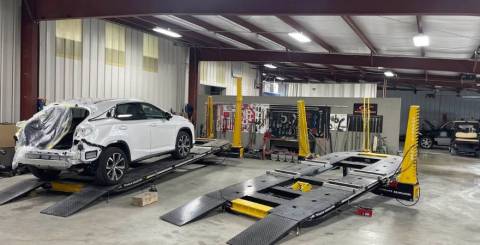
A fender bender may seem minor compared to major collisions, but it can still leave you stressed, confused, and unsure about what steps to take next. Even low-speed accidents can cause hidden vehicle damage that affects safety and performance. Acting quickly and making informed decisions can protect both your well-being and your vehicle’s long-term condition. Whether you are considering options like Findlay collision center or researching repair facilities in general, understanding what to do immediately after a minor accident and how to select a reliable repair shop is essential. Below are seven important steps to follow after a fender bender, along with guidance on choosing the right repair service.
1. Ensure Safety and Check for Injuries
The first priority after any accident is safety. Even in a minor collision, check yourself and others for injuries. If anyone feels pain, dizziness, or discomfort, seek medical attention immediately. Some injuries may not be obvious right away, so it is wise to remain cautious.
Move vehicles to a safe location if possible, such as the shoulder of the road or a nearby parking area. Turn on hazard lights to alert other drivers. If the vehicle cannot be moved safely, stay inside with your seatbelt fastened until help arrives. Prioritizing safety reduces the risk of further incidents.
2. Exchange Information and Document the Scene
After confirming that everyone is safe, exchange contact and insurance information with the other driver. Collect names, phone numbers, driver’s license details, license plate numbers, and insurance policy information.
Document the scene thoroughly. Take clear photos of all vehicles involved, including visible damage, license plates, road conditions, and traffic signs. Photographs serve as valuable evidence when filing insurance claims. If there are witnesses, ask for their contact information as well.
3. File a Police Report if Necessary
Depending on the severity of the accident and local regulations, you may need to file a police report. Even in minor accidents, having an official report can simplify the claims process and provide a neutral record of events.
If law enforcement arrives at the scene, cooperate fully and provide accurate information. Avoid admitting fault or making assumptions about responsibility. Let the investigation determine the cause. A documented report often protects both parties in case of disputes later.
4. Notify Your Insurance Company Promptly
Contact your insurance provider as soon as possible after the accident. Provide them with the necessary details, including photographs and the police report if available. Prompt communication ensures that your claim is processed efficiently.
Insurance representatives may guide you through next steps, including vehicle inspection and repair estimates. Understanding your coverage limits and deductibles helps you plan financially for any out-of-pocket costs. Transparency and timely reporting prevent complications during the claims process.
5. Assess Visible and Hidden Damage
While some fender benders result in minor cosmetic damage such as scratches or dents, others may cause structural or mechanical issues. Even if the vehicle appears drivable, underlying problems could affect safety.
Check for misaligned panels, fluid leaks, unusual noises, or warning lights on the dashboard. Issues with alignment, suspension, or sensors may not be immediately obvious but can worsen over time. A professional inspection is essential to determine the full extent of the damage.
6. Research and Compare Repair Shops Carefully
Choosing the right repair shop plays a crucial role in restoring your vehicle properly. Start by researching facilities with strong reputations and certified technicians. Look for shops that specialize in your vehicle’s make and model if possible.
Compare estimates from more than one repair center. While cost is important, it should not be the only factor. Pay attention to the quality of parts used, whether original equipment manufacturer parts are offered, and the warranty provided on repairs. Reading customer reviews can also offer insight into service quality and turnaround times.
Transparency matters. A reputable repair shop should explain the damage clearly, provide a detailed written estimate, and answer questions patiently. Clear communication builds trust and ensures that you understand the repair process.
7. Confirm Repair Quality Before Final Acceptance
Once repairs are completed, inspect your vehicle carefully before accepting it. Check paint consistency, panel alignment, and overall finish. Test drive the vehicle to ensure it drives smoothly and that there are no unusual sounds or warning indicators.
Verify that all agreed-upon repairs were completed and request documentation for your records. A professional shop will stand behind its work and address any concerns promptly. Taking the time to review the final result ensures your vehicle is safe and fully restored.
How to Choose the Right Repair Shop for Long-Term Confidence
Beyond immediate accident response, selecting a dependable repair shop requires thoughtful consideration. Certification is one of the most important indicators of quality. Technicians who receive ongoing training are better equipped to handle modern vehicles with advanced safety systems and electronic components.
Warranty coverage is another key factor. A solid repair warranty demonstrates confidence in workmanship. Ask how long the warranty lasts and what it covers. This protection provides peace of mind if issues arise after repairs.
Additionally, consider turnaround time. While quality work should never be rushed, efficient service minimizes inconvenience. Clear communication regarding timelines and progress updates helps manage expectations.
Customer service should not be overlooked. Friendly and professional staff who explain procedures clearly can make a stressful situation much easier. The right repair shop prioritizes both technical excellence and customer satisfaction.
Conclusion
A fender bender may disrupt your day, but handling it calmly and methodically can make the recovery process smoother. Prioritizing safety, documenting the scene, notifying your insurance provider, and seeking a thorough inspection are all critical steps. Even minor collisions can cause hidden damage, so professional evaluation ensures your vehicle remains safe and reliable.
Equally important is choosing the right repair shop. Researching certifications, comparing estimates, reviewing warranties, and verifying completed work all contribute to long-term satisfaction. By following these seven practical steps and selecting a trustworthy repair facility, you can restore your vehicle confidently and return to the road with peace of mind.
Similar Articles

Learn how to pick the right UTV door—lower, half, full, or convertible—based on fitment, terrain, weather, and riding style.

Explore new dirt bike models, key features, and expert buying tips to choose the right ride for performance, durability, and off-road adventures.

Clear, student-friendly guide to EV powertrains covering motors, batteries, inverters, and control systems for mechanical and electrical engineers.
The interaction between alcohol ignition interlock devices and insurance coverage is an important consideration for those who have been mandated to install such devices.
Custom van racking helps tradespeople stay organized, protect tools, and work faster. Learn how vehicle-specific systems improve efficiency.

Car accidents can be stressful and overwhelming, often leaving drivers with damaged vehicles and uncertainty about the next steps.

Discover why the Bajaj Chetak C2501 is perfect for eco-conscious commuters—stylish, efficient, low-emission, and ideal for sustainable urban travel.

This is the first thing that most people overlook: the car parked in your driveway was designed with a generic driver that does not exist anywhere on Earth.

Explore 10 practical ways to compare SUVs and choose the right model for your lifestyle, balancing comfort, performance, features, and budget.