

10 Ways to Compare SUVs So You Choose the Right Model for Your Lifestyle

Choosing the right SUV can feel overwhelming. With so many models offering different sizes, features, performance levels, and technology packages, making the best decision requires careful comparison. Whether you are browsing options like new Toyota SUVs for sale or evaluating various brands, understanding how to compare vehicles strategically will help you select one that truly fits your lifestyle. Instead of focusing only on appearance or popularity, it is important to evaluate practical factors such as space, safety, efficiency, and long-term ownership costs. Below are ten effective ways to compare SUVs so you can confidently choose the right model.
1. Compare Size and Seating Capacity
SUVs come in several size categories, including compact, midsize, and full-size models. The right choice depends largely on how many passengers you plan to transport regularly.
Compact SUVs typically seat five and are easier to maneuver in urban settings. Midsize SUVs may offer a third row for additional passengers, while full-size models provide maximum seating and cargo capacity. Compare legroom, headroom, and cargo space to ensure the SUV accommodates your family, hobbies, and daily activities comfortably.
2. Evaluate Cargo and Storage Space
Cargo space is a major factor for many SUV buyers. If you frequently travel, transport sports equipment, or carry large items, storage capacity becomes essential.
Compare total cargo volume with seats folded and upright. Look at the flexibility of seating configurations, such as split-folding rear seats or hands-free liftgates. Some SUVs offer hidden storage compartments that enhance practicality without increasing overall size.
3. Analyze Engine Performance and Powertrain Options
Performance varies significantly across SUV models. Some focus on fuel efficiency, while others prioritize towing power or off-road capability.
Compare engine size, horsepower, torque, and transmission type. Consider whether you prefer traditional gasoline engines, hybrid options, or other alternative powertrains. If you plan to tow trailers or boats, pay attention to towing capacity ratings and drivetrain options such as all-wheel drive or four-wheel drive.
4. Review Fuel Efficiency Ratings
Fuel economy directly affects long-term ownership costs. Comparing miles per gallon across different models can help you balance performance with efficiency.
Hybrid SUVs often provide improved fuel savings, making them appealing for daily commuting. Even within similar size categories, fuel efficiency can vary significantly. Understanding your driving habits will help determine which model best meets your needs.
5. Examine Safety Features and Ratings
Safety is a critical consideration when choosing any vehicle. Most modern SUVs come equipped with advanced safety technologies, but features may differ between models and trim levels.
Look for features such as adaptive cruise control, lane departure warning, blind-spot monitoring, and automatic emergency braking. In addition, review independent crash test ratings to evaluate overall protection. Prioritizing safety features ensures peace of mind for you and your passengers.
6. Compare Technology and Infotainment Systems
Technology plays an increasingly important role in driving comfort and convenience. Compare touchscreen size, smartphone compatibility, navigation systems, and voice control features.
User-friendly interfaces reduce distractions and make everyday driving smoother. Some SUVs offer advanced driver assistance displays or customizable digital instrument clusters. Evaluating these systems during a test drive can help you determine which setup feels most intuitive.
7. Assess Interior Comfort and Materials
The interior environment significantly influences your driving experience. Compare seat materials, cabin design, and overall build quality across different models.
Consider whether you prefer cloth, leather, or synthetic upholstery. Heated and ventilated seats, panoramic sunroofs, and multi-zone climate control systems can add comfort for both drivers and passengers. Pay attention to noise insulation as well, since a quieter cabin enhances long-distance travel.
8. Consider Handling and Ride Quality
SUVs vary in ride comfort and driving dynamics. Some models emphasize smooth highway driving, while others are designed for rugged terrain.
During test drives, evaluate steering responsiveness, suspension comfort, and overall stability. A vehicle that feels comfortable and easy to control will better suit daily commuting and family trips. Comparing handling characteristics can reveal subtle differences that may not be obvious on paper.
9. Review Ownership Costs and Reliability
Beyond the purchase price, long-term costs play a major role in overall satisfaction. Compare maintenance expenses, insurance rates, and expected resale value.
Reliability ratings and owner reviews can provide insight into how well a particular SUV performs over time. Vehicles with strong reliability records often result in fewer unexpected repairs, reducing stress and financial strain. Understanding these factors helps ensure your choice remains practical for years to come.
10. Evaluate Customization and Trim Options
SUVs often come in multiple trim levels, each offering different features and packages. Comparing trims allows you to select a model that includes the features you truly value without paying for unnecessary extras.
Some trims focus on luxury, while others emphasize performance or technology. Understanding what each level offers helps you make a balanced decision that aligns with your preferences and budget. Taking time to compare trim details prevents surprises later.
Conclusion
Choosing the right SUV requires more than simply selecting a popular model. By carefully comparing size, cargo capacity, performance, safety features, technology, comfort, and long-term costs, you can make a well-informed decision that suits your lifestyle.
Each SUV offers a unique combination of strengths. Some excel in fuel efficiency and urban maneuverability, while others provide powerful towing capabilities and spacious interiors. The key is identifying which features matter most to you and prioritizing them during your comparison process.
Similar Articles

An electric snow blower can sit quietly for months between storms, but that downtime does not mean it is ready for work when the first snow arrives.

It is a known fact that commercial vehicles usually travel long distances under challenging loads. Therefore, it is necessary to ensure proper engine maintenance.

Learn how to make informed decisions for your vehicle by comparing costs, features, maintenance needs, safety, reliability, and long-term value.

Most people who end up buying a caravan or motorhome spent months thinking about it before they w

Learn how to pick the right UTV door—lower, half, full, or convertible—based on fitment, terrain, weather, and riding style.

Explore new dirt bike models, key features, and expert buying tips to choose the right ride for performance, durability, and off-road adventures.

Clear, student-friendly guide to EV powertrains covering motors, batteries, inverters, and control systems for mechanical and electrical engineers.

The interaction between alcohol ignition interlock devices and insurance coverage is an important consideration for those who have been mandated to install such devices.
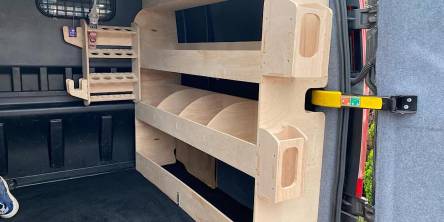
Custom van racking helps tradespeople stay organized, protect tools, and work faster. Learn how vehicle-specific systems improve efficiency.