

A Complete Guide to Organizing a Productive Corporate Retreat
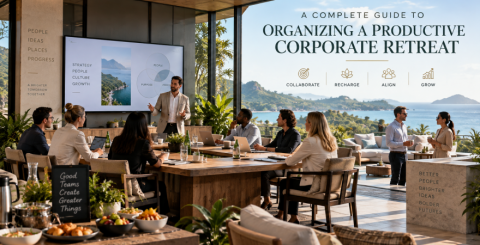
The way we work has fundamentally changed, but the need for face-to-face connection remains stronger than ever. According to recent industry reports, organizations now average over two corporate offsite events annually, reflecting a deep commitment to in-person collaboration for modern hybrid teams. With the global corporate retreat market projected to reach over 73 billion dollars by 2034, companies are heavily investing in these gatherings. However, organizing a retreat that yields tangible results requires more than just booking a flight and a few conference tables. It demands strategic planning, clear objectives, and a focus on employee well-being.
Selecting the Perfect Venue for Collaboration
The foundation of any successful offsite is the location. A recent Skift report highlighted that 62 percent of executive planners are pivoting away from generic ballrooms in favor of dynamic, specialized event spaces. Today's hybrid teams need acoustic presence and high-visibility setups. Planners are increasingly seeking venues equipped with V-shaped conference tables and advanced network microphones, ensuring remote participants can seamlessly join in-person attendees. Selecting a space that handles technical requirements is non-negotiable for modern businesses.
Often, the most efficient route for event planners is securing a space where everything is under one roof. Reserving a meeting room in hotel properties provides teams with the ultimate convenience, blending professional workspaces, comfortable lodging, and on-site amenities into one cohesive package. This eliminates the need for daily commuting between a sleep location and a workspace, saving valuable time. When attendees can transition smoothly from a morning strategy session to an afternoon lunch without leaving the building, overall productivity increases.
Sustainability is also playing a massive role in venue selection. Over half of event professionals consider sustainability a primary factor, creating high demand for facilities offering eco-friendly practices. Planners are prioritizing venues that feature locally sourced catering, eliminate single-use plastics, and align with broader environmental goals.
Understanding the Return on Investment of Changing the Scenery
Many business leaders question if taking their team out of the office is truly worth the logistical effort. The data points to a resounding yes. Industry surveys consistently show that 83 percent of workers view corporate travel and offsites as a direct job benefit. This serves as a powerful tool for improving staff morale and increasing retention. Beyond mere perks, getting away from standard desks sparks genuine innovation. Roughly a third of employees state their most creative ideas are generated during offsite gatherings rather than at home.
Modern research confirms that taking teams out of their standard environment is crucial for mental health and creativity. For instance, recent analysis from Forbes highlights how nature-based retreats positively impact company culture by building community and combating employee stress, backed by findings from Gallup. By removing the daily distractions of the standard workplace, leaders give their teams the mental space needed to solve complex problems. A fresh environment breaks down silos, encouraging collaboration among departments that rarely interact during the normal workweek.
Structuring the Agenda for Maximum Engagement
Planning a retreat schedule requires a delicate balance between focused work and necessary downtime. Filling every hour with marathon brainstorming sessions will only lead to burnout. Instead, organizers are turning to new scheduling trends to maximize focus, ensuring that employees return to their regular tasks feeling refreshed.
Here are a few key strategies for structuring a highly productive offsite schedule:
- Implement microshifting: Break the day into short, non-linear work blocks matched to attendees' natural energy levels.
- Integrate wellness resets: Build 15-minute guided stretching or mindfulness resets directly into the venue schedule.
- Allow unstructured bonding: Leave room for organic networking. Unforced conversations over coffee often lead to the best collaborative breakthroughs.
- Track post-event engagement: Use corporate frameworks to formally track how the retreat impacts financial metrics, skill application, and long-term staff retention.
Mastering the Logistics of Sustained Energy
A brilliant agenda will fall flat if attendees are distracted by physical discomfort or hunger. Managing the finer details of food, beverage, and break times is essential for maintaining focus. Providing consistent, high-quality nutrition throughout the day prevents the dreaded afternoon energy slump that can quickly derail a strategy session.
Food also serves as a natural gathering point that encourages cross-departmental mingling. Event planners know that high-quality corporate event catering enhances professional gatherings by setting a positive tone, reducing organizational stress, and ensuring attendees remain sharp. Offering a diverse menu that accommodates all dietary restrictions shows attendees that their well-being is a top priority. Whether it is a breakfast buffet or a formal closing dinner, meals are where working relationships are solidified.
Organizing a corporate offsite is a significant undertaking, but the potential rewards for team cohesion and innovation are immense. By focusing on an inspiring venue, a balanced agenda, and seamless logistics, leaders can transform a simple trip into a catalyst for long-term growth. When executed thoughtfully, a well-planned retreat leaves your team energized, aligned, and ready to tackle the challenges ahead.
Similar Articles

The way businesses collaborate has undergone a significant transformation. Not long ago, teamwork was largely tied to physical offices, face-to-face meetings, and fixed working hours.

Discover why hiring a professional safety conference speaker is crucial to your event's success with expert insights, inspiring stories, and practical safety solutions.

Ask any professional across the world and industries, and they will all tell you the same thing about meetings: They are essential but also very time-consuming. Given the fact that no matter how people may feel about meetings, they continue to serve purposes across companies of all scale and sizes, companies, of course, conduct many meetings

When setting about planning your next business conference, you may be working on a budget or perhaps you are creating the budget based on your needs. Either way, it is important to ensure you are spending your budget in the right areas to not only keep to budget but allocate the correct amount of spend in the areas which will provide the most ROI for you.

As you probably know, business owners often have a super hectic timetable and little time to spen

All large hotels offer several facilities over and above simple rooms for accommodation.