

Why Wellness Enthusiasts Are Embracing Evening Herbal Tea Rituals
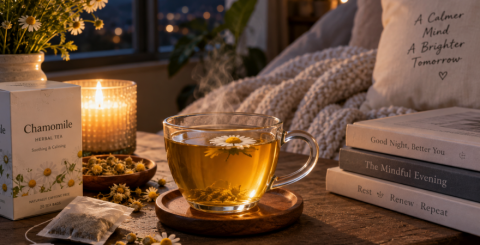
We live in an era where restorative rest is increasingly difficult to achieve. The relentless pace of contemporary work environments leaves little room for mental decompression. Consequently, cortisol levels remain elevated long after we log off for the day, making it incredibly challenging to transition into a restful state. Over one-third of the adult population currently suffers from sleep deprivation, with up to ten percent dealing with chronic insomnia exacerbated by modern lifestyle stressors. Interestingly, the obsessive pursuit of perfect sleep, often driven by digital trackers, has led to a phenomenon known as orthosomnia. This sleep-related anxiety has prompted wellness experts to recommend gentle, low-tech evening routines to combat the pressure of performance-based rest. As a result, the simple act of brewing a warm, caffeine-free beverage has re-emerged as a foundational pillar of modern well-being.
The Science Behind Botanical Sedatives
Our bodies rely on distinct physiological cues to wind down. While daytime wellness often focuses on stimulation and energy, evening health requires a deliberate shift toward relaxation. Establishing a distinct physical routine signals to the brain that the waking hours are officially over. A warm beverage slightly elevates the core body temperature; as the body subsequently cools down, this mimics the natural temperature drop that precedes deep sleep. For instance, many people find that keeping a box of high-quality chamomile tea bags in the pantry makes it incredibly easy to stick to a nightly wind-down schedule without the hassle of loose-leaf strainers. This convenient, pre-portioned format provides an accessible way to prepare a reliable, soothing brew night after night.
Beyond the psychological comfort of a warm mug, specific botanicals offer tangible biochemical advantages. For centuries, traditional medicine has relied on specific flowers to calm the nervous system, and modern science fully supports this practice. A comprehensive scientific review from the National Institutes of Health explains that the flavonoid apigenin is a potent bioactive agent, noting that aqueous chamomile extracts have been frequently used as a mild sedative to calm nerves and reduce anxiety. When apigenin binds to specific receptors in the brain, it naturally decreases anxiety and initiates sleepiness without the groggy side effects associated with pharmaceutical sleep aids. This specific botanical compound effectively acts on the central nervous system, producing an effect similar to commonly prescribed relaxing agents, but with a far gentler mechanism. Furthermore, the absence of caffeine ensures that the body's natural melatonin production remains completely uninterrupted.
Crafting a Consistent Screen-Free Routine
The modern wellness beverage market is expanding rapidly, but traditional household formats remain the most practical choice for daily use. Nearly forty percent of younger adults report heightened sleep anxiety linked to constant connectivity and screen time. The constant exposure to blue light from mobile devices tricks the circadian rhythm into believing it is still daylight. This makes establishing a sanctuary for sleep more important than ever. In response, high-end sleep retreats and everyday wellness enthusiasts alike are adopting mindful bedtime rituals as a primary defence against digital overload. There is a strong case for substituting regular caffeinated drinks with botanical blends, as many guides on the best herbal teas to serve health with taste highlight how these natural alternatives aid in digestion and help relax both body and mind.
Consistency is the secret to any successful lifestyle change, which is why convenience plays such a major role in evening habits. Incorporating familiar tastes and aromas into your nightly regimen helps to anchor these habits. Over time, simply smelling the earthy notes of a fresh brew will trigger a conditioned relaxation response, signalling to your brain that it is time to shut down. By 2026, botanical infusions are projected to capture nearly a third of the entire herbal beverage market, solidifying their place as premier ingredients for stress management. Building a nightly routine around a warm beverage is about more than just hydration; it is an opportunity to practice mindfulness and physically disconnect from the demands of the day.
Key Elements of an Effective Nighttime Tea Ritual
To maximise the calming effects of your evening brew, consider incorporating the following steps into your routine:
- Time your brew perfectly: Aim to finish your drink about forty-five minutes before your head hits the pillow. This allows your body enough time to absorb the beneficial flavonoids while preventing middle-of-the-night trips to the bathroom.
- Optimise water temperature: Pouring boiling water directly over delicate flowers can scorch the ingredients and create a bitter flavour. Let boiled water sit for a minute or two before steeping to extract the sweetest notes and preserve the delicate botanical compounds.
- Engage your senses: Use the five to ten minutes of steeping time to put away your phone. Watch the water change colour, inhale the rising steam, and let the earthy aroma serve as a sensory cue that work hours are officially over.
- Pair with a tactile activity: Combine your beverage with a screen-free habit. Reading a physical book, light stretching, or spending a few minutes journaling can significantly enhance the psychological transition from wakefulness to deep sleep.
The global sleep economy has surged to hundreds of billions of dollars, reflecting a massive shift in how consumers view rest. Restorative sleep is no longer seen as passive downtime but rather as an active, vital component of holistic health. While technological innovations and digital trackers offer vast amounts of data, they often fail to provide the comforting, tactile reassurance that the human body craves at the end of a stressful day. When we prioritise genuine physical and mental relaxation over chemically induced sleep or hyper-analysed data tracking, we foster a healthier relationship with our own biology. Embracing an evening herbal ritual is a powerful antidote to modern exhaustion. By dedicating just fifteen minutes a night to this simple practice, you can naturally lower your core body temperature, calm a racing mind, and reclaim your nights with intention and peace.
Similar Articles

Learn what to do between shockwave therapy sessions, including managing soreness, adjusting activity levels, and tracking progress for better recovery.

A beautiful building tells you nothing about recovery outcomes. When you tour a Private Luxury Rehab in Los Angeles, comfort is often presented before clinical care, and families may pay a deposit before asking a single hard question.

Most advice about emotions assumes the hard part is identifying them.

Healthcare is built around people, but providing good care also depends on how well an organization manages the many tasks happening around each patient.

Look up almost any doctor before an appointment, which is what the majority of patients now do, a

Endoscopy is a minimally invasive medical procedure that enables healthcare professionals to examine the internal organs and body cavities using a thin, flexible instrument called an endoscope.

Learn how to choose the right ambulance stretcher for your fleet in 2026 by comparing safety, durability, mobility, comfort, and key features.

Look at how people around you actually watch things. Captions on. Not in a noisy train carriage, not in a shared flat at midnight, but at home, alone, on a good television, by people whose hearing is fine.

Finding the right medical daycare involves more than choosing whichever center is closest to home.