

Before You Order a Dock: 9 Waterfront Measurements That Prevent Costly Redesigns
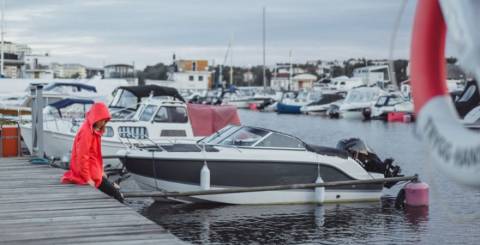
Floating Docks can look perfect on a screen and still fail at the shoreline when the design is based on incomplete site information. The most expensive surprises usually begin with missing measurements: the water was checked on only one day, the gangway has nowhere to land, the family boat cannot turn into the slip, or delivery equipment cannot reach the build area.
Good dock planning starts with a simple site record. It does not replace permitting, surveying, engineering, or a qualified installer, but it gives every professional involved a clearer picture of the problem. It also helps waterfront owners compare proposals on the same facts instead of choosing between drawings based on different assumptions.
1. Water Depth Across The Entire Proposed Footprint
Do not take one depth reading at the end of the future dock and call the job finished. Measure at several points along the centerline and at the outside corners of the intended layout. Note the date, recent weather, and whether the reading reflects a known high, low, normal, or regulated water condition.
This depth profile helps identify where a fixed structure may become impractical, where a floating section could bottom out, and where anchoring or piling choices need closer review. Soft sediment, rock, submerged debris, and vegetation should be recorded separately because two locations with the same water depth may require completely different installation methods.
2. Seasonal and Operational Water-Level Range
A waterline is a moving target. Lakes may be drawn down, rivers rise after storms, reservoirs operate within controlled ranges, and coastal sites respond to tides and weather. Ask local operators, neighbors, marinas, or the relevant authority for historic context, then compare it with visible clues such as staining, exposed shoreline, debris lines, and wear on existing structures.
Record the estimated difference between ordinary low and high conditions. That range influences freeboard, ramp travel, hinge position, pile height, anchor slack, and whether a floating dock can continue moving without binding.
3. Shoreline Grade and The Elevation of The Land Connection
Measure more than horizontal distance. Note the elevation change from the intended land-side access point to the water and to the expected dock surface. A steep bank, seawall, riprap edge, soft beach, retaining wall, or flood-prone lawn changes how people reach the dock and where a gangway or transition can be supported.
Photograph the shore from the water and the water from the shore. Include a tape measure, survey rod, or other clear scale reference where practical. When you share this information with a designer of custom boat docks, the conversation can move beyond appearance to landing geometry, safe transitions, frame selection, and future service access.
4. Available Access Width From Parking Area To Waterfront
The path to the shoreline affects how the dock arrives. Measure gates, driveways, turns, overhead branches, utility lines, slopes, stairs, and the narrowest point between structures. Identify surfaces that cannot support a delivery truck, forklift, trailer, or crane.
If large sections cannot reach the water, the project may need smaller modular components, waterside delivery, or more field assembly. Discovering that constraint after fabrication can add labor, handling, and schedule delays.
Also Read: The Booming Market of Luxury Marine Tourism
5. Boat Dimensions and Real Maneuvering Space
Use the largest boat the dock must serve, not the smallest boat owned today. Record overall length, beam, draft, outboard or drive clearance, rub-rail height, door or gate swing, cleat positions, and where passengers normally board. Add tenders, personal watercraft, kayaks, and planned future boats to the layout discussion.
Then observe the approach. A slip that fits the hull on paper may still be awkward if the boat must turn against current, wind, or nearby traffic. Leave working room for lines, fenders, lifts, fuel access, cleaning, and safe movement around the boat.
6. Wake, Current, Wind, Ice, and Debris Exposure
A calm site visit can hide the forces that control dock performance. Record the direction and intensity of prevailing winds, typical boat wake, storm fetch, current, tidal movement, floating debris, and seasonal ice. Ask what happens during the worst ordinary conditions, not only on the day measurements are taken.
These observations help a qualified designer evaluate frame stiffness, flotation reserve, connections, anchoring, pile guides, bumpers, and orientation. Video captured during a busy weekend or moderate storm can be more informative than a dozen photos taken on still water.
7. Intended Loads and Traffic Patterns
List what will happen on the dock. A quiet fishing platform, a family swimming area, a marina walkway, and a service dock do not carry the same people, equipment, or movement. Note seating, storage boxes, lifts, utility pedestals, carts, fuel equipment, shade structures, and gatherings.
Map how people move from shore to boat, where they pause, and where congestion is likely. Include children, older guests, pets, and anyone who may need a wider or more stable route. Accessibility requirements for public or commercial facilities should be reviewed with the authority and qualified professionals responsible for the project.
8. Utilities, Boundaries, and Approval Constraints
Mark known electrical service, water lines, septic components, irrigation, buried cables, easements, property boundaries, setbacks, navigation channels, environmental buffers, and protected vegetation. Do not rely on memory or an old real-estate listing. Confirm what must be located, surveyed, permitted, or approved before construction.
Homeowner associations, lake authorities, municipalities, state agencies, and federal bodies may each control different parts of a waterfront project. Collecting their requirements early helps prevent a design that is attractive but unapprovable.
9. Maintenance and Emergency Access
Picture the dock five years after installation. Can someone reach hinges, floats, fasteners, chains, pile guides, utilities, and the underside of the frame? Can sections be removed for winter, repaired after a storm, or reached by a service boat? Is there a clear route for emergency responders from the property entrance to the water?
A design that cannot be inspected or serviced will become expensive even if it performs well on opening day. Maintenance access belongs in the original measurements, not in the repair plan.
Turn The Measurements into a One-page Site Brief
Organize the findings into a simple package: a dimensioned sketch, depth table, water-level range, boat specifications, access measurements, hazard notes, approval contacts, and labeled photos taken from multiple directions. Add a short list of priorities—such as low maintenance, seasonal removal, swimming access, commercial traffic, or room for a future boat.
The purpose is not to design the structure yourself. It is to eliminate avoidable guessing. When the site, water, users, and access constraints are documented before materials are selected, the final dock is more likely to fit the shoreline, operate through changing conditions, and remain practical to maintain for years.
Similar Articles

Owning a boat is a fulfilling experience, but safeguarding that investment requires careful planning and attention.
Key tips Upstate travelers should know before sailing Cabo—weather, travel hacks, and must-pack items for a smooth, sunny getaway.
Creating an unforgettable yacht charter experience boils down to one thing: the personalized itinerary. With a yacht, you can explore stunning coastlines, private islands, and the majestic sea. But what you do in between, from dawn till dusk, and the way you pace your adventure are what make a tailored yacht experience truly one of a kind.
Seaeagle inflatable boats are made for every type of boating. Seaeagle has a thirty six year history of making inflatable boats. They are among the best rated in reviews. Only the highest quality materials are used to ensure a sturdy and stable environment for fishing, diving or just boating
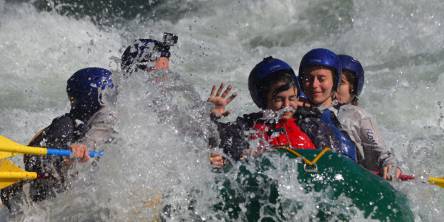
Inflatable sports boats make a very stable fishing platform. An 8’ – 10’ inflatable is best for catching fish in smaller bodies of water and shallow backwater areas of lakes and rivers not accessible to other anglers. A 12’ – 14’ inflatable powered by a 30 or 40 hp outboard can get you to the best fishing spots quickly.
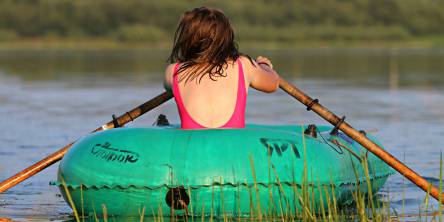
Inflatable boats are the best alternative to high priced aluminum and fiberglass sport fishing boats. Inflatables come in every style that include sport runabouts, sail and row boats, dinghies, catamarans, pontoon boats, canoes and the best inflatable kayaks suitable for ocean and whitewater kayaking.
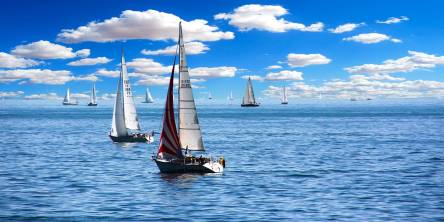
We have always said, to truly understand an island you have to go out in a boat as well as look back. Islands and Boating just go together — to see a place and really know it, you have to get away from it. It provides perspective on topography, foliage, and size and when you go to land, you explore what makes the island tick.

Croatia is a home to a large part of the Adriatic Sea. The sea is relatively shallow, clear and beautiful. In fact, the clarity of its waters can allow you to have a clear view of the sea floor even when you are 15 meters away. The waters are warm and sometimes will hit 25°C.
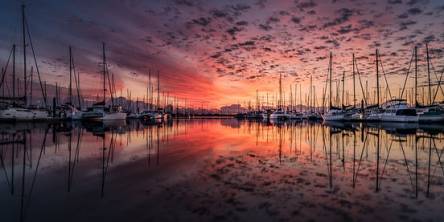
Sailing is a fun activity but there are items you need to keep safe. The following will keep you protected and prepared.