

Fixed Panel Shower Screen: Pros, Cons & Buying Guide
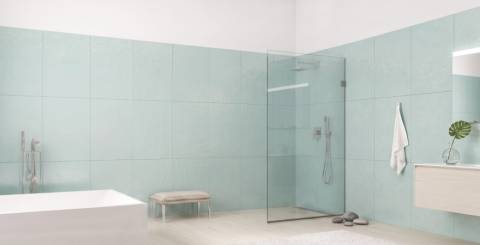
Modern bathrooms are increasingly designed around simplicity, openness, and long-term functionality. One feature that perfectly reflects these priorities is the fixed panel shower screen. Unlike traditional shower enclosures with hinged or sliding doors, a fixed glass panel creates a minimalist walk-in shower that feels larger, brighter, and easier to maintain.
Homeowners, designers, and remodelers across the United States continue to favour this style because it balances aesthetics with practicality. Whether you're renovating a compact guest bathroom or creating a luxury spa-inspired primary suite, understanding how fixed shower screens work can help you make an informed decision.
This guide explains everything you need to know, including construction materials, glass options, installation considerations, maintenance, advantages, potential drawbacks, and how these systems compare with other shower enclosure styles.
Why Fixed Shower Screens Have Become So Popular
Bathroom design trends have shifted dramatically over the past decade. Heavy framed shower enclosures are gradually giving way to cleaner architectural lines and open layouts.
A fixed shower screen contributes to this trend by eliminating unnecessary hardware and moving parts. Since there are no rollers, hinges, or swinging doors, the overall appearance becomes less cluttered while creating an uninterrupted visual flow throughout the bathroom.
Many homeowners also appreciate the accessibility benefits. Walk-in shower designs reduce barriers, making them suitable for users of different ages and mobility levels when properly designed.
The combination of minimal maintenance, modern appearance, and functional simplicity explains why these shower screens continue to gain popularity in residential and commercial bathroom renovations.
What Is a Fixed Shower Screen?
A fixed shower screen consists of a stationary tempered glass panel permanently secured to a wall, floor, or ceiling using specialized mounting hardware. Instead of fully enclosing the shower area, the panel acts as a splash barrier while leaving one side open for entry. Unlike sliding or pivot shower doors, nothing moves during use. Water remains largely contained within the shower area while maintaining an open and spacious appearance. Most installations pair the screen with linear drains and gently sloped shower floors to improve drainage efficiency and reduce water escape.
Common Types of Fixed Shower Screens
Although they share the same basic concept, fixed shower screens come in several design variations.
Single Glass Panel
The simplest configuration uses one stationary panel attached directly to the wall. This design works especially well in smaller bathrooms where simplicity and affordability are priorities.
Fixed Panel with Return Panel
A second stationary glass panel creates an L-shaped enclosure. This configuration improves splash protection while maintaining the open feel of a walk-in shower.
Floor-to-Ceiling Glass
Some luxury bathrooms incorporate full-height glass extending from floor to ceiling. Besides making a dramatic architectural statement, these installations help contain steam more effectively.
Partial Height Screens
Smaller glass panels may be used in compact bathrooms or wet rooms where complete water containment isn't necessary.
Tempered Glass: The Industry Standard
Safety is one of the most important considerations when selecting shower glass. Nearly all modern shower screens use tempered safety glass because it undergoes a specialized heating and rapid cooling process that significantly increases strength. If breakage occurs, tempered glass shatters into relatively small blunt fragments instead of dangerous sharp shards. This safety characteristic makes tempered glass the preferred material for residential bathrooms throughout the United States.
Choosing the Right Glass Thickness
Glass thickness affects appearance, durability, and structural stability. Common residential options include:
-
3/8-inch glass: Popular for most walk-in showers, balancing strength and weight.
-
1/2-inch glass: Provides a premium appearance with greater rigidity and reduced vibration.
-
5/16-inch glass: Often used in smaller panels or framed applications.
Thicker glass generally feels more substantial while creating cleaner visual lines with minimal hardware. The appropriate thickness depends on panel dimensions, mounting method, and local building requirements.
Glass Finishes Available
Clear glass remains the most requested option because it maximizes natural light and creates an open feeling. However, several alternative finishes provide different functional and aesthetic benefits.
Ultra-Clear Low-Iron Glass
Low-iron glass reduces the green tint often visible along glass edges. This option is frequently chosen for luxury bathroom designs where color accuracy matters.
Frosted Glass
Frosted glass offers additional privacy while still allowing light to pass through. It works well for shared bathrooms or family homes.
Rain Glass
Textured rain glass introduces decorative visual interest while helping obscure visibility.
Patterned Decorative Glass
Various etched or patterned finishes can complement both contemporary and traditional interiors.
Hardware and Mounting Systems
Although the glass appears to float, secure mounting hardware provides structural support. Common components include:
-
Wall channels
-
Glass clamps
-
Stabilizer bars
-
Ceiling support rods
-
U-channel mounting systems
The amount of visible hardware influences the overall aesthetic. Minimal hardware installations often create the sleekest appearance, while additional support may be necessary for oversized glass panels.
Is a Walk-In Shower Right for Every Bathroom?
Walk-in shower designs offer numerous benefits but are not universally ideal. Bathrooms with sufficient floor space generally perform better because water has more room to drain before reaching dry areas. Smaller bathrooms may require:
-
Longer fixed panels
-
Return panels
-
Improved floor slopes
-
Linear drain systems
Water Containment: Understanding the Biggest Concern
One of the most common questions homeowners ask involves water escaping outside the shower. While no open walk-in design completely seals water like a fully enclosed shower door, thoughtful design greatly minimizes splash. Several factors influence water containment:
-
Shower head placement plays a major role. Positioning the shower head away from the opening helps direct water toward the rear wall.
-
Panel length also matters. Longer glass panels provide better splash protection than shorter ones.
-
Floor slope ensures water flows efficiently toward the drain instead of pooling near the bathroom floor.
-
Drain location should support natural water movement, especially when using large-format tile.
Professional planning typically solves most splash concerns before installation begins.
Maintenance and Cleaning
One reason many homeowners appreciate fixed glass panels is their relatively low maintenance. Without tracks, rollers, or door hinges, there are fewer places for soap residue, mildew, and mineral deposits to accumulate. Routine maintenance generally includes:
-
Squeegeeing after each shower
-
Weekly cleaning with a non-abrasive glass cleaner
-
Removing hard water deposits before buildup becomes severe
-
Checking mounting hardware periodically for stability
Comparing Fixed Screens with Other Shower Enclosures
Choosing the right shower enclosure depends on bathroom layout, budget, accessibility, and personal preferences.
|
Feature |
Fixed Screen |
Sliding Door |
Hinged Door |
|
Moving Parts |
None |
Rollers |
Hinges |
|
Maintenance |
Low |
Moderate |
Moderate |
|
Accessibility |
Excellent |
Good |
Good |
|
Modern Appearance |
Excellent |
Good |
Good |
|
Water Containment |
Moderate |
High |
High |
|
Visual Openness |
Excellent |
Moderate |
Moderate |
Each design offers different advantages, making it important to evaluate practical needs alongside aesthetics.
Design Trends Influencing Modern Bathrooms
Several bathroom trends continue driving interest in open shower layouts.
-
Large-format porcelain tile creates fewer grout lines and enhances visual continuity.
-
Linear drains simplify floor design while improving drainage efficiency.
-
Matte black hardware remains popular for contemporary interiors, while brushed nickel and brushed brass continue appealing to transitional and luxury spaces.
-
Integrated shower niches reduce clutter by providing built-in storage for shampoos and soaps.
-
Minimalist design principles also encourage frameless glass installations that maximize natural light throughout the bathroom.
Accessibility Considerations
Many aging-in-place renovations incorporate fixed glass panels because they eliminate swinging doors that may become obstacles. Curbless showers improve wheelchair accessibility and reduce tripping hazards when designed according to local building codes. Additional accessibility features often include:
-
Grab bars
-
Slip-resistant flooring
-
Handheld shower heads
-
Wider shower openings
-
Bench seating
Installation Factors to Consider
Although the concept appears straightforward, successful installation depends on precise measurements and structural planning. Walls must be plumb, floors properly sloped, and mounting surfaces capable of supporting the glass weight. Waterproofing behind tile remains essential to prevent long-term moisture damage. Because custom glass cannot easily be trimmed after manufacturing, accurate measurements are critical before fabrication. Professional installers typically verify dimensions multiple times before ordering glass.
Final Thoughts
The fixed panel shower screen represents one of the most practical and visually appealing solutions for contemporary bathroom design. Its clean architectural appearance, low-maintenance construction, and compatibility with walk-in showers have made it a preferred option for many homeowners across the United States.
However, achieving the best results depends on thoughtful planning. Factors such as glass thickness, panel size, drainage design, shower head placement, and installation quality all influence long-term performance. By understanding these considerations before beginning a renovation, homeowners can create a shower space that combines modern aesthetics with everyday functionality while providing years of reliable use.
Similar Articles
According to environmental studies, the average person spends roughly ninety percent of their life indoors. This staggering reality has sparked a widespread shift in how we approach interior spaces, especially as remote work and digital lifestyles keep us tethered to screens.

The garden has quietly become the most valuable extra room in the British home. With hybrid working now a fixture rather than a phase, the wider outdoor-living economy is booming.

Most people who hire a skip bin for the first time arrive at the decision under some degree of pressure. The renovation has started, the waste is accumulating, and the question of what to do with it has become urgent.

Most homeowners approaching a granny flat project spend considerable time thinking about the end result and considerably less time thinking about the floor plan decision that will largely determine what that result looks and feels like.

Running out of room? Happens to almost everyone eventually. Garages fill up, closets overflow, and suddenly the lawnmower is living next to the holiday decorations in some awkward standoff.

Heating and cooling equipment affect more than the temperature on the thermostat. It influences comfort between rooms, humidity, airflow, and the condition of the air as it moves through the home.
The key to a minimalist living room is restraint, but that's not enough to make a room feel finis
Rectification of exterior cladding may be required during the lifetime of a building for several reasons: to replace non-compliant cladding/combustible panels, to repair damage, to improve energy efficiency, or to modernise an older building.

A tunnel greenhouse is designed to provide years of growing space, but not every part of the structure has the same lifespan.