

Why the AI World Still Needs More Research and Real Data — Not Just More Data
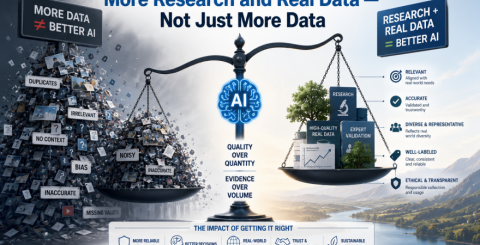
In a world flooded with open data, accuracy — not volume — is what actually drives good decisions.
Artificial intelligence runs on data. That part everyone agrees on. But there’s a quiet problem sitting underneath the AI boom: having more data isn’t the same as having good data. And in a world where information is everywhere — scraped, aggregated, recycled, and republished a hundred times over — the real shortage isn’t volume. It’s reliability.
The Open Data Trap
The internet has made data abundant and cheap to access. A quick search can pull up market sizes, growth rates, industry trends, and forecasts in seconds. The problem is that a lot of this “data” is really just one estimate, made years ago by one analyst, copied and re-copied across hundreds of websites until it looks like consensus.
AI models trained on this kind of open web data inherit the same flaw. They don’t know the difference between a number that was carefully verified on the ground and a number that was guessed once and repeated forever. If the underlying data is shallow, outdated, or simply wrong, the AI’s output will be too — just delivered with more confidence and better grammar.
AI can process information at incredible speed, but it cannot independently verify whether that information was ever true to begin with. That verification step still has to happen somewhere — and right now, it mostly doesn’t.
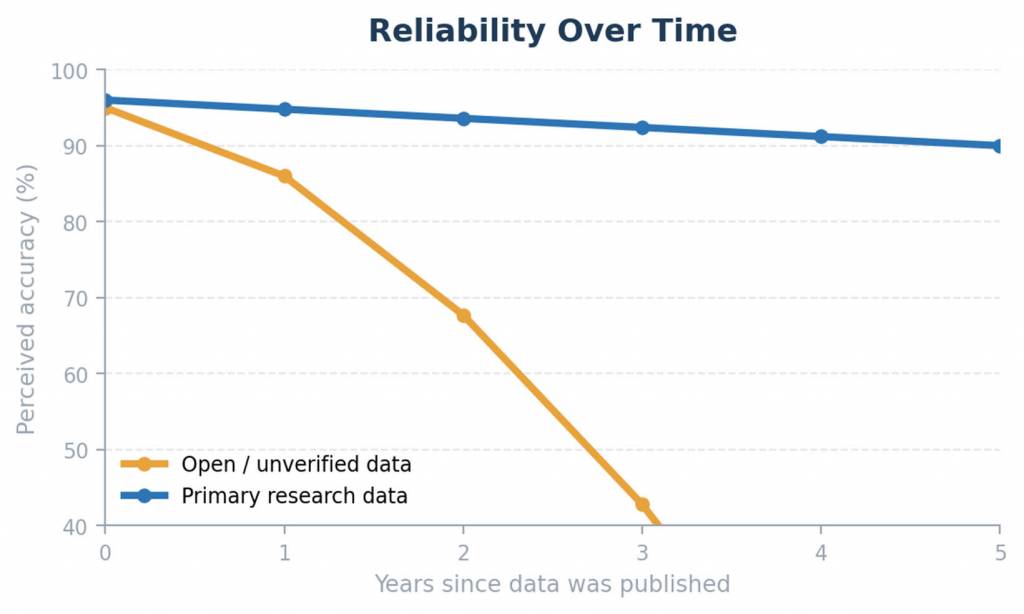
[Chart comparing reliability of open data vs primary research data over time]
Verified, primary-sourced data holds its accuracy far longer than recycled open data.
Why “More Data” Isn’t the Same as “Better Data”
A few reasons open, unverified data keeps causing problems for AI-driven decisions:
Recency decay — Markets, prices, regulations, and consumer behavior shift fast. Data from two or three years ago can be presented as current, and AI tools have no built-in way to flag that it’s stale.
Source laundering — One unsourced blog estimate gets cited by another site, then another, until it looks like ten independent confirmations of the same unverified number.
No ground-truth check — Scraped or aggregated data rarely comes with on-the-ground verification — interviews, supply chain checks, primary surveys — so errors go unnoticed.
Survivorship bias in training data — Loud, well-optimized content crowds out quieter, more accurate, harder-to-find research.
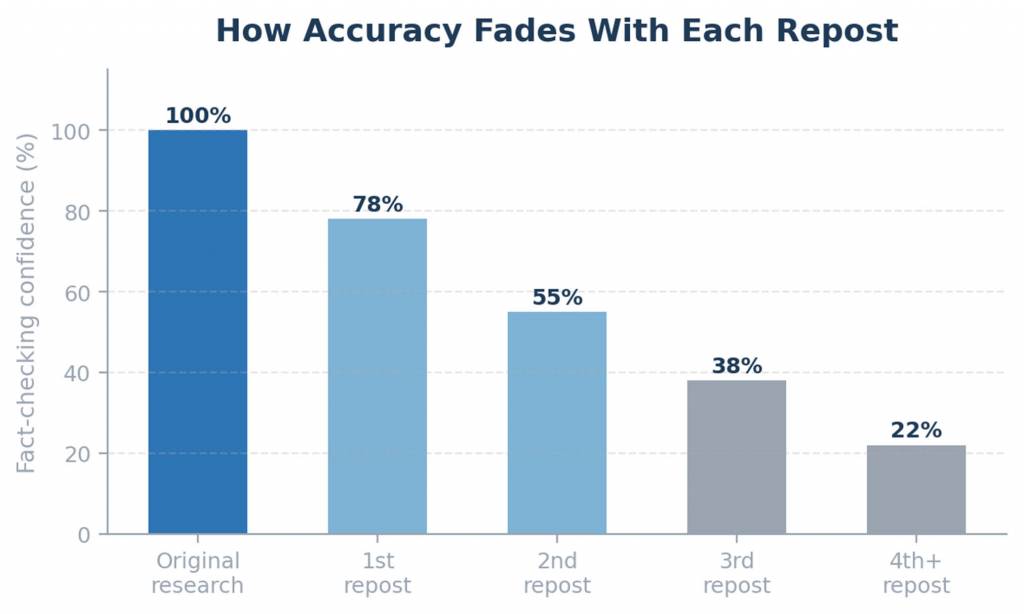
[Chart showing how fact-checking confidence drops with each repost]
Every repost adds distance from the original source — and chips away at accuracy.
None of this means AI is the problem. It means AI is only as trustworthy as the research feeding it — and that research increasingly needs to come from people and processes built specifically to verify, not just publish.
Where Real Research Still Matters
This is exactly where dedicated market research and primary data collection earn their place — and why firms built around actual fieldwork, rather than data aggregation, are becoming more relevant, not less, in the AI era.
A good example of this in practice is Mobility Foresights, a custom market research firm working across industries like automotive and transportation, logistics, aerospace and defense, energy and power, healthcare, semiconductors, and ICT — areas where a wrong number doesn’t just look bad, it can lead to a bad business or investment decision.
A few things stand out about how an outfit like this approaches data, in contrast to the open-data-and-AI-summary approach:
Credible, ground-level sourcing — data is gathered directly from the field through an established network, keeping information current and verifiable rather than recycled.
Customization over generic reports — research is built around a client’s actual problem and constraints, instead of a one-size-fits-all report.
Speed without cutting corners — optimized processes and dedicated teams deliver detailed findings faster, without sacrificing verification.
Breadth and depth together — a library of 50,000+ industry reports across 100+ verticals, plus consumer research and advisory services like competitive intelligence and transaction advisory.
Track record — 250+ clients across 32+ countries and 15 industries, with coverage in outlets like The Wall Street Journal, Fortune, Forbes, and Quartz.
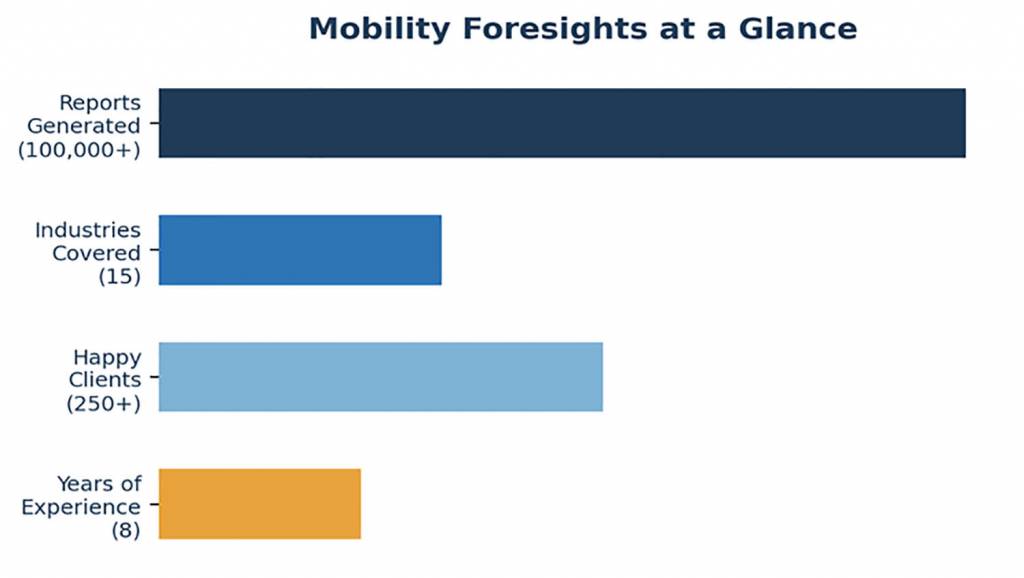
[Bar chart showing reports generated, industries covered, clients, and years of experience]
Source: mobilityforesights.com
The Bigger Point: AI Should Sit on Top of Good Research, Not Replace It
AI is excellent at synthesizing, summarizing, and speeding up analysis. What it can’t do is manufacture credible data out of thin air, or magically separate verified facts from confidently-worded guesses. That job still belongs to human research — primary surveys, on-ground interviews, expert validation, and structured methodology.
The smartest way to use AI in research-heavy decisions isn’t to ask it for “the data” and trust whatever comes back. It’s to feed AI tools with verified, well-sourced research as the input, and let AI handle the speed and synthesis on top of that solid foundation.
In a world drowning in unreliable open data, the organizations and decision-makers who win won’t be the ones with access to the most information — they’ll be the ones who insist on the most accurate information, and who know the difference between the two.
Similar Articles

AI visual tools help solo creators generate thumbnails, images, and video fast—cutting design time without sacrificing quality or workflow.
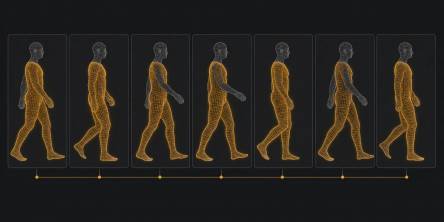
Most people encounter "swap" tools as a single category. A video goes in, a different person comes out, and the marketing rarely bothers to explain what was actually exchanged.
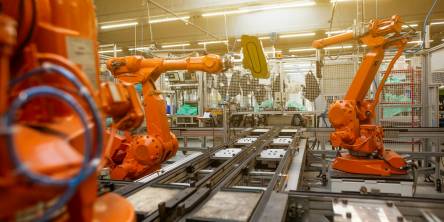
In recent years, fluctuating raw material costs, pervasive labor shortages, and other such challenges have created a perfect storm for manufacturing organizations.

A content idea can be clear in your head and still become difficult the moment it needs a visual.

Explore MLOps vs LLMOps and learn how enterprise teams deploy, monitor, and scale AI systems in 2026 with smarter workflows and reliable operations.
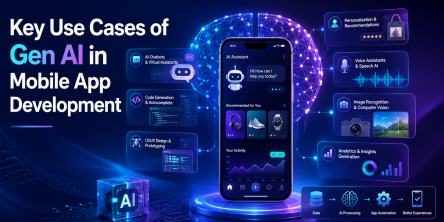
The digital world has always been evolving at a rapid pace. Ever since it first emerged. Take static applications, for example; their architecture is no longer agile enough to meet consumer expectations

A software product that took eighteen months to go from concept to launch five years ago is now expected to ship in a fraction of that time.

Most agentic AI projects fail to scale profitably because they work fine in a controlled demo but break down once they meet real production volume, messy data, and unpredictable user behavior

Adoption of AI recruitment automation across HR functions climbed from 26% to 43% in just two years, according to SHRM's State of AI in HR research.