

7 Everyday Habits That Secretly Make Hammer Toes More Painful

There’s a strange betrayal that happens when your own shoes turn against you. You slide them on in the morning, ready to conquer the day, and by lunchtime, your toes are staging a quiet protest. If you have hammer toes, those symptoms can feel sharp, achy, and annoyingly persistent.
What makes it tricky? It’s often not one dramatic mistake. It’s everyday habits — tiny routines that seem harmless — quietly turning up the volume on discomfort. Let’s look at seven of them.
1. Squeezing Into Narrow Toe Boxes
We’ve all done it. The shoes are cute. They were on sale. They almost fit.
But when your toes are constantly compressed, especially if one is already bent at the middle joint, pressure builds exactly where it shouldn’t. That bent toe rubs against fabric or leather like it’s sandpaper. Over time, irritation turns into corns, inflammation, and more stiffness.
A dedicated podiatrist will often say that footwear isn’t just fashion — it’s daily therapy or daily sabotage. And pointed, narrow toe boxes? They lean toward sabotage.
2. Living in High Heels
Heels shift your body weight forward. That means more pressure on the ball of your foot and, you guessed it, your toes.
When weight consistently presses downward, a hammer toe can curl even tighter. The tendons shorten. The joint stiffens. What once felt flexible becomes less cooperative.
Occasional heels for a special event? Probably manageable. Eight-hour workdays in them? Your toes are quietly drafting a complaint letter.
3. Ignoring Early Friction
You notice a red spot on the top of your toe. Maybe a little thickened skin. It’s not terrible, so you shrug and move on.
That friction is information. It’s your foot’s way of saying, “Something is rubbing too much.” Repeated irritation can inflame the joint and surrounding tissue, making pain sharper and more frequent.
Somewhere between applying another bandage and promising yourself you’ll buy better shoes next month, it might help to get guidance from a dedicated podiatrist. Early adjustments are often surprisingly simple.
4. Skipping Toe and Foot Exercises
Toes have muscles. Tiny ones, yes — but important.
When those muscles weaken, imbalances get worse. The stronger tendons pull harder, and the bent position becomes more pronounced. Stretching and strengthening exercises may sound minor, yet they can help maintain flexibility and reduce strain.
It’s easy to neglect them because they’re not glamorous. No one brags about toe workouts. But consistency can mean the difference between manageable discomfort and escalating pain.
5. Walking Barefoot on Hard Floors All Day
Hardwood, tile, and concrete — they look beautiful. Your toes may disagree.
Without cushioning, pressure transfers directly through the forefoot. If your hammer toe is already sensitive, that repeated impact can intensify soreness by evening. You might notice throbbing or a burning sensation that creeps in quietly.
Supportive indoor shoes or cushioned sandals can make a surprising difference. Small change. Big relief.
6. Delaying Proper Treatment Because “It’s Not That Bad.”
This one is sneaky. Pain ebbs and flows. On good days, you convince yourself it’s improving. On bad days, you just power through. The longer the joint stays in a bent position without intervention, the more likely it becomes rigid.
A dedicated podiatrist doesn’t just look at today’s discomfort — they look at the trajectory. Addressing flexibility while the toe can still move often opens up more conservative treatment options.
Waiting until it’s severe narrows those options.
7. Overcompensating Without Realizing It
When one toe hurts, you subtly shift weight to the outside of your foot or onto neighboring toes. It feels protective. Logical, even.
But that compensation can create new pressure points. Calluses form in unexpected places. Other toes begin to ache. The biomechanics of your entire foot start to adjust around one unhappy joint.
After seeing how often this happens, many people are surprised when a dedicated podiatrist explains that the pain they feel “everywhere” actually started with one small imbalance.
Conclusion
Hammer toes don’t usually become more painful overnight. They respond to patterns — daily habits, repeated pressure, tiny decisions made without much thought.
The good news? That means small adjustments can shift the pattern in a better direction.
Similar Articles

Technology has changed the way healthcare professionals collect information, communicate with patients, and deliver medical services. Electronic health records, telemedicine, digital imaging, and clinical decision-support systems have become important parts of modern healthcare
A bunion is more than just a bump on the side of your foot. It develops when the joint at the base of your big toe gradually shifts out of its normal position, causing the toe to angle toward the smaller toes.
Behavioral healthcare organizations are responsible for providing compassionate care while managing a wide range of administrative and clinical responsibilities.
Understanding how to diagnose pavatalgia disease is important for individuals experiencing unexplained symptoms and seeking proper treatment.
Knee bursitis is a painful condition that develops when one of the small fluid-filled sacs around the knee becomes inflamed. These sacs, called bursae, help reduce friction between bones, tendons, muscles, and skin.

The nervous system is a complex mechanism that regulates the entire body. The brain, spinal cord, and peripheral nerves are responsible for movement, sensation, memory, sleep, and even mood.
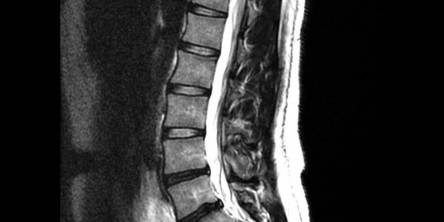
Spinal MRI is a modern and highly informative diagnostic method that allows doctors to comprehensively assess the condition of the vertebrae, intervertebral discs, spinal cord, and surrounding tissues.

Knee pain affects millions of people around the world. It can make daily activities difficult and impact your quality of life. Knee discomfort can be caused by injuries, chronic conditions, or overuse.

If your knees have recently started sounding like a bowl of Rice Krispies (snap, crackle, pop!) every time you stand up, congratulations — you're officially living the adult experience.