

How Orthodontic Professionals Make Braces Comfortable and Effective
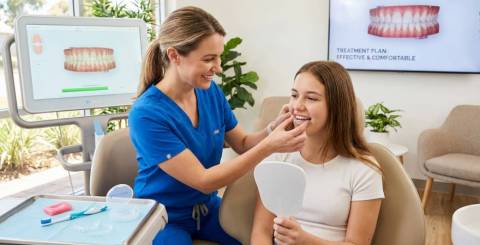
Braces have a reputation problem. People picture sore mouths, lisping through meetings, and the constant worry that something is stuck in their teeth. The reality in modern orthodontics is far more practical—and far more comfortable—than most patients expect.
Comfort isn’t just a “nice extra,” either. When braces feel manageable, patients eat better, brush better, and actually show up for appointments instead of postponing them. That day-to-day consistency is what makes treatment efficient. So how do orthodontic professionals take something as mechanical as moving teeth and make it feel surprisingly livable?
A big part of it is planning. The best results rarely come from “tighten and hope.” Orthodontists map out forces, sequence movements, and anticipate where irritation might happen. Practices such as Boston Orthodontics and other specialist clinics typically build treatment around controlled, lighter forces and smart staging—because teeth move best when the biology is respected, not bullied.
Let’s unpack what that looks like in real life, from the first fitting to the final detailing.
The Foundation: Diagnosis That Prevents Unnecessary Discomfort
Better records, better predictions
Comfort begins before brackets ever touch enamel. A thorough assessment (clinical exam, photographs, X‑rays, and often digital scans) helps orthodontists predict which teeth will be harder to move, where crowding is most severe, and whether the bite will need bite-opening features to avoid bracket clashes.
Digital scanning has been a quiet revolution here. It reduces the need for messy impressions, improves appliance fit, and allows more accurate bracket positioning—small details that meaningfully reduce rough edges, emergency visits, and “why does this one tooth feel off?” moments.
Choosing the right tool for the job
Braces aren’t one-size-fits-all. Orthodontic professionals consider:
- The type of bite issue (crowding, spacing, deep bite, crossbite, open bite)
- Root positions and gum health
- Lifestyle factors (sports, musical instruments, work demands)
- Patient preference and tolerance for maintenance
Sometimes traditional fixed braces are the most efficient. In other cases, clear aligners or hybrid plans reduce irritation and make hygiene easier. The key is aligning the appliance to the biology and the person—not forcing every case into the same template.
Making Braces Comfortable: The “Small” Details That Matter
Gentle forces and smart sequencing
One of the most common misconceptions is that more pressure equals faster results. In reality, overly heavy forces can increase soreness, inflammation, and even slow healthy tooth movement. Many orthodontists now use lighter, more continuous forces (often with modern archwires designed to work gradually) to keep discomfort predictable and short-lived.
Sequencing also matters. Professionals often begin by aligning front teeth lightly, then work progressively into more complex movements. That staged approach reduces the “whole mouth aches” experience patients dread.
Precision placement to reduce rubbing
Bracket placement is not just cosmetic. A millimetre too high or low can change how wires sit, how teeth track, and where friction builds. Good placement reduces:
- Cheek irritation from prominent corners
- Unwanted bite interference that causes sore spots
- Extra adjustments later (which can add discomfort)
Orthodontists also smooth sharp wire ends, add protective tubing where needed, and proactively give patients wax and instructions—before discomfort escalates into a weekend emergency.
Managing the early “adjustment window”
Most soreness happens in the first few days after braces are fitted or adjusted. Orthodontic teams set expectations and share strategies that actually work: softer foods, cold drinks, and appropriate pain relief if needed. They’ll also identify when discomfort isn’t normal—like a wire poking the cheek or a bracket that’s been knocked loose—so it gets fixed quickly.
Making Braces Effective: How Professionals Keep Treatment on Track
Appointments that are purposeful, not routine
Efficient orthodontics isn’t about constant tightening; it’s about timely, accurate adjustments. At each visit, clinicians assess progress against the plan:
- Are teeth tracking as expected?
- Is the bite improving in the right direction?
- Is hygiene strong enough to continue safely?
- Are elastics being worn consistently?
If something is drifting, they’ll make measured corrections early—saving months later.
The elastic factor: tiny bands, huge impact
Elastics (rubber bands) are one of the biggest drivers of bite correction, and also one of the biggest variables patients control. Orthodontic professionals don’t just hand them over; they teach the “why,” demonstrate placement, and often troubleshoot common barriers (“They snap,” “They make my jaw tired,” “I forget at work”).
If you’ve ever wondered why two patients with similar braces finish months apart, elastic compliance is frequently the answer.
Hygiene coaching that prevents treatment setbacks
White spot lesions and gum inflammation can derail orthodontic timelines. That’s why good clinics coach hygiene like it’s part of the appliance—not an afterthought. You’ll typically hear specific, practical advice: angling the brush along the gumline, cleaning around brackets, using interdental brushes, and choosing fluoride support where appropriate.
Here’s a simple comfort-and-results “toolkit” many orthodontic teams recommend (and it’s worth treating as non-negotiable):
- A soft-bristled toothbrush (or electric brush with an orthodontic head)
- Interdental brushes for under wires and around brackets
- Fluoride toothpaste and, where advised, a fluoride rinse
- Orthodontic wax for irritation hot spots
- A water flosser as an add-on (helpful, not a substitute for brushing)
Use that consistently and you reduce soreness from inflamed gums while protecting enamel—two wins that keep treatment moving.
The Human Side: Communication, Monitoring, and Fast Fixes
Clear guidance reduces anxiety (and overcorrection)
Patients often create discomfort by trying to “solve” problems themselves—cutting wires, bending parts, or stopping elastics entirely. Orthodontic professionals prevent this through simple, proactive communication: what’s normal, what’s not, and when to call.
A good rule in many practices is: if something is poking, rubbing to the point of ulceration, or affecting eating and sleep, it should be addressed promptly—not “wait until the next appointment.”
Retention planning starts early
Effectiveness doesn’t end when braces come off. Relapse is a biological tendency, not a failure. Orthodontists plan retention based on the original problem and the patient’s risk factors, then tailor retainers accordingly—often with fixed retainers, removable retainers, or both.
Crucially, they also explain wear schedules in plain English. Patients are far more likely to follow retention instructions when they understand the long game: your teeth will keep trying to shift, especially in the first year after treatment.
What You Can Do to Make Braces Easier (and Faster)
Orthodontic professionals do a lot behind the scenes, but your role matters more than most people realise. If you want the most comfortable, efficient experience:
Show up on time, wear elastics as prescribed, keep your cleaning routine tight, and speak up early when something feels off. That partnership—specialist planning plus patient consistency—is what turns braces from a dreaded ordeal into a surprisingly straightforward project with a clear finish line.
Similar Articles
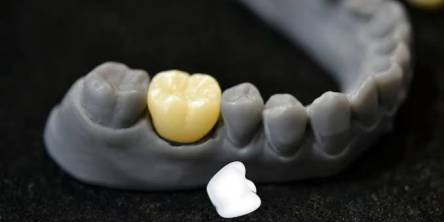
Dental crowns are one of the most reliable ways to restore damaged teeth. Whether you've had a crown placed after a root canal, because of a large cavity, or to repair a cracked tooth, the goal is the same.
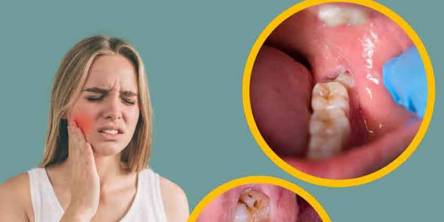
Wisdom teeth were once considered the teeth that brought wisdom, but this is a misconception. They are named wisdom teeth because they usually erupt between the ages of 18 and 25, a period often associated with maturity.
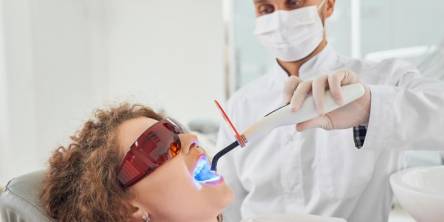
A bright, radiant smile is one of the first things people notice about you, and it can significantly boost your confidence in both personal and professional settings. Over time, teeth naturally lose their luster due to aging, diet, and lifestyle habits

Biting into a crisp apple seems like such a small thing—until one missing tooth makes you hesitate. Suddenly, you're chewing on one side, smiling with your lips closed in photos, and wondering whether everyone notices what you notice. Replacing a missing tooth isn't just about appearance
Gum disease is one of the leading causes of tooth loss in adults. Many people do not realize how serious it can become because the early symptoms often seem minor.
One day, you're biting into a sandwich without a second thought. Next, you're chewing on one side, avoiding mirrors, or wondering when smiling became something you overthink.
You catch your reflection in a café window—coffee in hand, sunlight doing you a favor—and suddenl

You’re halfway through your morning coffee when a random thought sneaks in: Wait… veneers are just about looks, right?

Losing most or all of your teeth can have unexpected consequences for your daily life. Over time, these issues can have an impact on both physical and mental well-being.