

Chiropractor for Lower Back Pain Relief: Effective Care Options

Understanding Lower Back Pain Causes
Lower back pain is something a lot of us denial with at some point. It can really throw a wrench in your day, making simple things feel like a huge effort. Many professional chiropractors, see patients struggling with this all the time, and understanding why it's happening is the first step to feeling better. It's not always just one thing; often, it's a mix of factors.
Common Musculoskeletal Issues
This is probably what most people think of first when their back hurts. It's about the muscles, bones, and the little discs between your vertebrae. Things like muscle strains from lifting something too heavy or twisting the wrong way are super common. You might have pulled a muscle, or maybe a ligament got stretched out more than it should have. Over time, wear and tear can also lead to issues like arthritis in the spine, which can cause stiffness and pain. Even just sitting for too long can weaken the muscles that support your back, making them more prone to injury.
Nerve Compression Syndromes
Sometimes, the pain isn't just in the muscles; it's coming from nerves getting pinched. A common culprit is a herniated disc, where the soft center of a disc pushes out and presses on a nearby nerve. Sciatica is a classic example, where the sciatic nerve gets irritated, causing pain that can shoot down your leg. Spinal stenosis, a narrowing of the spinal canal, can also put pressure on nerves. This can lead to a whole host of uncomfortable sensations, including numbness, tingling, and weakness, not just in your back but also in your legs.
Lifestyle Factors Contributing to Pain
What we do every day plays a big role in how our backs feel. Things like being overweight put extra strain on your spine. If you have a job where you sit for hours or do a lot of heavy lifting without proper form, that can cause problems too. Even how you sleep matters – a bad mattress or a pillow that doesn't support your neck can lead to back pain. Stress is another sneaky factor; when we're stressed, our muscles tend to tense up, and that can definitely contribute to aches and pains in the back. It's a cycle that's hard to break without addressing the root causes.
It's easy to dismiss back pain as just 'getting older' or 'sleeping wrong,' but often there are specific mechanical or lifestyle issues at play that a good back pain chiropractor can help identify and treat. Sometimes, a simple adjustment or a change in daily habits can make a world of difference.
Also Read: How to Create a Support System for Long-Term Health Challenges
Chiropractic Adjustments for Back Pain Relief
When lower back pain strikes, many people look for ways to get relief without resorting to surgery or heavy medication. That's where chiropractic adjustments come in. Expert chiropractic sees first that how these hands-on techniques can make a real difference for patients. It’s not just about cracking backs; it’s a targeted approach to help your body heal itself.
Spinal Manipulation Techniques
This is probably what most people think of when they hear "chiropractic." It involves using controlled, sudden force to the spine. The goal is to improve spinal alignment and function. Our chiropractors use their hands or specialized instruments to apply this force. It’s done very carefully, and it’s designed to be safe and effective for many types of back pain. We're talking about a gentle but firm pressure that can help joints move better.
Restoring Joint Mobility
Sometimes, the pain you feel in your lower back is because certain joints in your spine aren't moving the way they should. They might be stiff or "stuck." Chiropractic adjustments help to get these joints moving again. When joints move freely, it reduces stress on the surrounding muscles and nerves. This improved movement can significantly decrease pain and stiffness. Think of it like loosening up a rusty hinge – once it moves smoothly, everything works better.
Reducing Inflammation and Muscle Spasms
When your back is hurting, your muscles often tense up, leading to spasms. This can create a cycle of pain and tightness. Chiropractic adjustments can help break that cycle. By improving joint function and alignment, we can reduce irritation to the nerves and surrounding tissues. This often leads to a decrease in inflammation and can help those tight, spasming muscles relax. It’s a natural way to help your body calm down and start healing.
Many patients find that after a few adjustments, they can move more easily and feel less pain. It's about getting your body back into balance so it can do its job of keeping you comfortable and mobile.
If you're searching for a "back pain chiropractor, many professionals are here to help. We even have special introductory offers, like a $29 Chiropractor visit, to make care accessible. We focus on personalized care to get you feeling better.
Advanced Therapeutic Modalities
Beyond traditional adjustments, many chiropractors utilizes advanced therapies to help you find relief from lower back pain. These methods work alongside chiropractic care to speed up healing and improve your comfort.
Spinal Decompression Therapy
This technique is specifically designed for back pain caused by bulging or herniated discs. It gently stretches the spine, creating negative pressure within the discs. This can help retract the bulging material and allow nutrients to flow back into the disc, promoting healing. It's a non-surgical way to address disc-related issues that often cause significant discomfort.
Therapeutic Ultrasound
Ultrasound uses sound waves to create heat deep within your muscles and tissues. This can help increase blood flow to the injured area, which aids in reducing inflammation and promoting faster healing. It's also effective at relaxing tight muscles and easing stiffness, making it easier to move and feel better.
Electrical Muscle Stimulation (EMS)
EMS involves using low-level electrical currents to cause muscle contractions. This can be very helpful for muscles that have become weak or are experiencing spasms due to injury. The contractions can help strengthen the muscles, improve circulation, and reduce pain. It's a way to get those muscles working properly again without you having to exert yourself.
These advanced tools aren't just fancy gadgets; they're carefully chosen to complement chiropractic adjustments. They target specific issues like inflammation, muscle tightness, and disc problems that might not fully resolve with manual therapy alone. Think of them as specialized helpers for your back.
Experts might use these modalities as part of your treatment plan if they are suitable for your specific condition. They're always looking for the best ways to help you get back to feeling good.
Personalized Treatment Plans
Comprehensive Patient Assessment
When you come across to professional chiropractors for lower back pain, they don't just jump into treatment. First things first, they need to really get to know what's going on with you. This means a thorough check-up.
They'll talk about your pain – where it is, when it started, what makes it worse or better. They'll also look at your medical history and ask about your daily activities. Think of it like a detective figuring out the root cause of the problem. This detailed assessment is the foundation for any effective treatment. We want to understand the whole picture, not just the symptom of pain.
Tailored Care Strategies
Based on what we find during your assessment, we create a plan that's just for you. No two people are exactly alike, and neither is their back pain. What works for one person might not work for another. Your plan might include a mix of different chiropractic techniques, exercises, and maybe even lifestyle advice. We consider your specific condition, your body type, and your personal goals. It’s all about making sure the care you receive is the most helpful for your situation. We're not about a one-size-fits-all approach here.
Progressive Rehabilitation Exercises
Part of getting better often involves doing some exercises. These aren't just random movements; they're chosen specifically to help strengthen the muscles that support your spine and improve your flexibility. We'll guide you on how to do them correctly, both here at the clinic and at home. These exercises are designed to help you recover and also to prevent the pain from coming back. We'll adjust the exercises as you get stronger and your pain decreases. It's a step-by-step process to help you get back to doing the things you enjoy.
We believe that the best results come from a plan that's built around you. It's about more than just a quick fix; it's about helping your body heal and become stronger in the long run. This is what makes a good back pain chiropractor stand out.
Experts are here to help you find relief. If you're looking for a back pain chiropractor, consider an experienced chiropractor to focus on personalized care.
Finding a Trusted Back Pain Chiropractor
So, you're dealing with lower back pain and looking for a good chiropractor. In any big city, finding the right fit can feel a bit overwhelming, right? You want someone who really knows their stuff, especially when it comes to back pain.
Experience and Specialization
When you're searching for a back pain chiropractor, look for someone with a solid track record. For example, the chiropractors must have a team that specifically focuses on spinal health. It's not just about general adjustments; you want a chiropractor who has specific experience treating lower back issues. Ask about their training and how long they've been helping people with similar problems. Do they have special certifications or focus areas related to back pain? This kind of specialization can make a big difference.
Patient Testimonials and Reviews
Don't underestimate the power of what other people say. Online reviews and testimonials can give you a real sense of what to expect. Look for comments about how patients felt after treatment, if their pain improved, and if they felt well-cared for. Websites like Google, Yelp, or even the chiropractor's own site often have these. Seeing positive feedback from people who had back pain similar to yours is a good sign. It's like getting a peek behind the curtain before you even make an appointment.
Consultation and Communication
Before committing to a treatment plan, it's smart to have a consultation. This is your chance to ask questions and see if you connect with the chiropractor. A good practitioner will listen carefully to your concerns and explain their approach in a way that makes sense. They should be open about costs, including any special offers like a "$29 Chiropractor" deal if available, and what your treatment might involve.
A good chiropractor will make you feel heard and understood. They should be able to clearly explain what's causing your pain and how their treatment methods can help. Don't be afraid to ask for clarification if anything is unclear. Your comfort and confidence in your care provider are super important.
Here are a few things to consider during your initial chat:
- Do they ask detailed questions about your pain history and lifestyle?
- Do they explain the proposed treatment plan clearly?
- Do they seem genuinely interested in your recovery and well-being?
Finding the right chiropractor is a personal journey, but taking these steps can help you find a trusted professional or elsewhere who can provide effective relief for your lower back pain.
Wrapping Up Your Back Pain Journey
So, if lower back pain has been messing with your daily life, remember you've got options. Seeing a chiropractor can really make a difference. They have different ways to help ease that ache and get you moving better. Don't just live with the discomfort; it's worth looking into what a local chiropractor can do for you. Taking that step might be the key to feeling more like yourself again. Give it some thought, and see if it's the right path for your relief.
Similar Articles

Healthcare is built around people, but providing good care also depends on how well an organization manages the many tasks happening around each patient.

We live in an era where restorative rest is increasingly difficult to achieve. The relentless pace of contemporary work environments leaves little room for mental decompression.

Look up almost any doctor before an appointment, which is what the majority of patients now do, a

Endoscopy is a minimally invasive medical procedure that enables healthcare professionals to examine the internal organs and body cavities using a thin, flexible instrument called an endoscope.
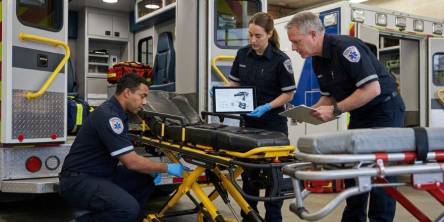
Learn how to choose the right ambulance stretcher for your fleet in 2026 by comparing safety, durability, mobility, comfort, and key features.

Look at how people around you actually watch things. Captions on. Not in a noisy train carriage, not in a shared flat at midnight, but at home, alone, on a good television, by people whose hearing is fine.

Finding the right medical daycare involves more than choosing whichever center is closest to home.

Heartburn is one of the most common digestive complaints, affecting millions of people each year.

Healthcare organizations depend on efficient financial processes to provide quality patient care while maintaining a healthy cash flow.