

How to Maintain Gut Health in Winter Season – Diet, Lifestyle & Ayurvedic Tips

How to Maintain Gut Health in the Winter Season
The winter season brings chilly mornings, shorter days, and a natural shift in our eating and lifestyle habits. While many people focus on protecting their skin or boosting immunity during winter, gut health often gets overlooked. However, a healthy digestive system is the foundation of strong immunity, better metabolism, and overall well-being. Cold weather can slow down digestion, increase cravings for heavy foods, and lead to common issues like bloating, constipation, acidity, and indigestion. Maintaining gut health in the winter season is essential to staying energetic and disease-free.
Why Gut Health Needs Special Care in Winter
In winter, the body’s metabolism and digestive fire, known as Agni in Ayurveda, can fluctuate. Due to reduced physical activity, low water intake, and preference for rich, oily, or processed foods, digestion may become sluggish. Additionally, cold temperatures can disturb the balance of gut bacteria, weakening digestion and immunity. This makes the gut more prone to infections, inflammation, and nutrient malabsorption. Hence, adopting winter-specific gut health practices is crucial.
Eat Warm, Cooked, and Seasonal Foods
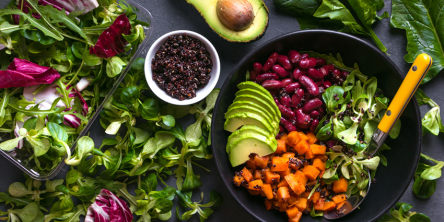
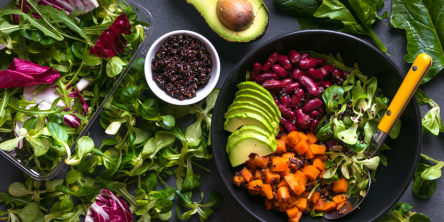
- One of the simplest ways to support gut health in winter is by consuming warm, freshly cooked meals. Cold and raw foods can be difficult to digest during winter. Opt for soups, stews, khichdi, porridge, and lightly spiced vegetables. Seasonal winter foods such as carrots, spinach, beetroot, turnips, sweet potatoes, and pumpkin are rich in fiber and nutrients that support digestion.
- Including whole grains like oats, millet, brown rice, and barley can improve bowel regularity. Healthy fats such as ghee, sesame oil, and olive oil help lubricate the intestines and prevent constipation, which is common in cold weather.
Increase Fiber Intake Mindfully
- Dietary fiber is essential for maintaining a healthy gut microbiome. In winter, people often reduce fruit and salad intake, leading to poor fiber consumption. To avoid this, include fiber-rich foods such as apples, pears, guava, flaxseeds, chia seeds, soaked almonds, and walnuts. Cooked vegetables and legumes, such as lentils and chickpeas, are easier to digest and support healthy bowel movements.
- However, avoid consuming too much fiber at once, as it may cause bloating. Balance is key to maintaining digestive comfort.
Stay Hydrated Despite Cold Weather
- Reduced thirst in winter often leads to dehydration, which negatively affects digestion and gut health. Insufficient water intake can cause constipation and toxin buildup in the intestines. Make a conscious effort to drink enough fluids throughout the day.
- Warm water, herbal teas, ginger tea, cumin-fennel water, and soups are excellent choices during winter. These not only keep you hydrated but also stimulate digestion and reduce gas and bloating.
Support Gut Health with Probiotics
- Probiotics play a vital role in maintaining gut flora balance, especially during winter when immunity is low. Include natural probiotic foods such as curd, buttermilk (at room temperature), fermented vegetables, and homemade pickles in moderation.
- Ayurvedic wisdom emphasizes consuming probiotics in a way that suits the season. Avoid cold curd at night; instead, consume it during the daytime with digestive spices like black pepper or roasted cumin to prevent mucus formation.
Use Digestive Spices and Herbs
- Winter is the best time to include digestive spices that enhance metabolism and gut function. Ginger, turmeric, cumin, fennel, coriander, black pepper, and cinnamon stimulate digestive enzymes and reduce inflammation in the gut.
- Ayurvedic herbs such as Triphala, Haritaki, and Amla are known to support bowel regularity, detoxification, and gut healing. These herbs help maintain a balanced gut environment and improve nutrient absorption during winter.
Maintain an Active Lifestyle
- Physical activity is essential for gut motility and overall digestive health. During winter, people tend to become sedentary, which slows digestion. Engage in light exercises, brisk walking, yoga, or stretching to keep your digestive system active.
- Yoga poses like Pawanmuktasana, Vajrasana, Malasana, and gentle twists can significantly improve digestion and reduce bloating and gas. Even 20–30 minutes of daily movement can make a noticeable difference.
Manage Stress and Get Adequate Sleep
- Gut health is closely connected to mental health through the gut-brain axis. Winter blues, stress, and disturbed sleep can negatively impact digestion. Practice stress management techniques such as meditation, deep breathing, or mindfulness.
- Ensure 7–8 hours of quality sleep, as the gut repairs itself during rest. A well-rested body has better digestion and stronger immunity.
Avoid Overeating and Late-Night Meals
Heavy, late-night dinners put extra stress on the digestive system, especially in winter. Eat meals at regular times and keep dinner light and early. Chew food properly and eat mindfully to avoid indigestion and acidity.
Conclusion
Maintaining gut health in the winter season requires a mindful approach to diet, hydration, lifestyle, and stress management. By choosing warm and nourishing foods, staying hydrated, supporting gut bacteria with probiotics, using digestive herbs, and staying active, you can keep your digestive system strong and balanced throughout winter. A healthy gut not only improves digestion but also strengthens immunity, boosts energy levels, and enhances overall well-being during the cold months.
Similar Articles
Diet plays a fundamental role in maintaining health, preventing chronic diseases, and supporting overall well-being.
The ketogenic diet, commonly known as the Keto Diet, is a high-fat, moderate-protein, and very low-carbohydrate dietary approach designed to shift the body's primary energy source from glucose to fats.

Coping with Ulcerative Colitis can be challenging, and many people look toward gentle, natural pr

Fatty liver, known as Yakrit Roga in Ayurveda, occurs when excessive fat accumulates in the liver cells. This condition is becoming increasingly common due to sedentary lifestyles, poor diet, stress, and unhealthy eating habits.

Epilepsy is a chronic neurological condition marked by recurrent seizures — sudden bursts of electrical activity in the brain that can cause changes in behavior, awareness, or movement.

The ketogenic diet is one of the most popular dietary patterns globally, primarily adopted for weight loss. It is a high-fat, low-carbohydrate, and moderate-protein eating plan that promotes the production of ketones in the liver.

When it comes to achieving fitness and health goals, selecting the right diet plan can be challenging. Among the myriad of options available, the CICO (Calories In, Calories Out) diet and the KETO (Ketogenic) diet are two popular approaches.

Boost your health with nutrient-rich fruits and vegetables! Discover the best options to enhance immunity, energy, and overall well-being in your daily diet.

Diet and energy metabolism have been shown to affect gene expression greatly, which in turn influences human health and disease. Epigenetics serves as a mechanistic link between energy metabolism and gene expression control.