

How Outdoor Maintenance Shapes Daily Life at Home
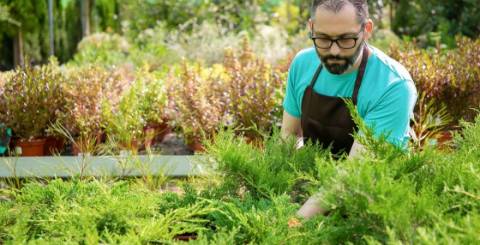
There's a particular feeling that comes with stepping into your backyard on a Saturday morning and actually wanting to be there. The grass is trimmed, the flower beds look intentional, and there isn't that nagging mental list of tasks you've been avoiding for weeks. This isn't just about aesthetics. The state of your outdoor spaces fundamentally shapes how you live at home, influencing everything from your stress levels to how often you invite friends over.
Most homeowners underestimate the psychological weight of outdoor neglect. When your yard becomes a source of guilt rather than pleasure, it changes your relationship with your entire property. You stop using the back deck. You avoid looking out certain windows. You make excuses when neighbors suggest a barbecue. The outdoor space that should extend your living area instead becomes a boundary that keeps you trapped indoors.
Also Read: Holiday Lighting Trends That Elevate Your Home's Design
The Usability Factor
A well-maintained yard isn't just nice to look at it's fundamentally more usable. Consider how overgrown grass changes behavior. When the lawn reaches a certain height, you stop walking barefoot. Children play differently, more cautiously. That patch of clover you meant to address becomes a bee congregation zone that makes you think twice about setting up a blanket for reading.
Conversely, when outdoor maintenance stays on track, your property naturally invites more activity. Morning coffee on the patio becomes routine rather than occasional. Weekend projects move outside. You notice yourself spending an extra twenty minutes outdoors simply because the space feels welcoming rather than overwhelming.
This usability extends beyond the immediate family. Homes with maintained outdoor spaces host more gatherings, not because the owners are more social by nature, but because the logistics become simpler. When someone suggests getting together, you don't have to calculate whether you have time to make the yard presentable first. The space is already ready, which removes a significant barrier to spontaneous hospitality.
Creating Intentional Outdoor Rooms
The most successful outdoor spaces function like rooms rather than afterthoughts. Just as you wouldn't leave your living room half-finished, your outdoor areas deserve the same consideration. This means thinking beyond basic mowing to consider how each zone serves your actual lifestyle.
A shaded seating area becomes a genuine extension of your home when it's surrounded by maintained beds rather than encroaching weeds. The difference between a neglected corner and an intentional garden nook often comes down to consistent attention rather than major renovation. Regular maintenance preserves the vision you had when you first designed the space, preventing that slow slide from "outdoor room" back to "yard."
Many homeowners discover that partnering with professionals for specific challenges makes the difference between an outdoor space they avoid and one they actively use. For instance, working with weed control companies can eliminate the constant battle that prevents many people from enjoying their properties. When persistent weeds stop dominating your attention, you can focus on the aspects of outdoor living you actually enjoy.
The Relaxation Paradox
Here's an interesting contradiction: outdoor spaces are supposed to offer relaxation, but poorly maintained yards create stress. Every time you look at that overgrown hedge or spreading crabgrass, your brain adds it to your mental to-do list. The cumulative effect of dozens of these small stressors is significant.
Breaking this cycle requires either dedicated time or strategic delegation. Some homeowners find genuine relaxation in weekend lawn care the meditative quality of mowing, the satisfaction of edging. For others, yard work is simply another obligation competing with limited free time. Neither approach is superior, but recognizing which category you fall into is essential for creating a home environment that actually supports your wellbeing.
When outdoor maintenance aligns with your capacity and inclination, something shifts. The yard stops being a source of ambient guilt and becomes a genuine retreat. You start noticing seasonal changes because you're actually outside observing them. The space begins fulfilling its intended purpose in your life.
Entertaining and Social Connection
The state of your outdoor spaces directly influences your social life in ways that aren't always obvious. It's not about impressing neighbors with magazine-worthy landscaping. It's about having a space that's ready when opportunity arises.
Maintained outdoor areas lower the activation energy required for hosting. When a colleague mentions wanting to see your new deck, you can offer a date without panic-scheduling a weekend of yard work. When your child asks to have friends over for a fire pit evening, you can say yes without qualifications.
This readiness creates a compounding effect. As you host more frequently, your outdoor spaces get more use, which reinforces the value of maintaining them. Guests leave comments about how nice it is to have genuine outdoor space, which reminds you why you invested in the property in the first place. The positive feedback loop between maintenance and use strengthens over time.
Seasonal Transitions and Daily Rhythms
Well-maintained outdoor spaces help mark seasonal transitions in tangible ways. The first evening you can comfortably eat dinner on the patio signals spring's arrival more powerfully than any calendar date. The last warm October afternoon spent raking leaves becomes a ritual that connects you to the year's rhythm.
These seasonal markers matter for psychological wellbeing. They provide structure and anticipation, breaking up the year into distinct chapters. Neglected yards blur these transitions. When outdoor spaces feel unusable year-round, you lose touch with natural cycles, experiencing seasons primarily through thermostat adjustments rather than lived experience.
Daily rhythms also shift in homes with usable outdoor areas. Morning routines might include a walk around the property with coffee. Evening wind-downs move to the back steps. These small transitions between indoor and outdoor life create breathing room in your day, offering micro-breaks that accumulate into significantly improved quality of life.
Also Read: Cabinet Installation: Creating Organized and Stylish Living Spaces
The Investment Perspective
Viewing outdoor maintenance as lifestyle investment rather than mere obligation reframes the entire endeavor. You're not maintaining the lawn because you must, but because doing so directly improves how you experience home. This perspective shift makes decision-making clearer.
Should you invest in professional help for aspects you dislike? Absolutely, if it means you'll actually use the space. Is that irrigation system worth installing? Probably, if it eliminates the daily hassle that keeps you from enjoying evenings outside. Each maintenance decision becomes easier when evaluated against the single criterion: will this help me use and enjoy my property more?
The homes that feel most satisfying aren't necessarily those with the most elaborate landscaping. They're the ones where outdoor maintenance aligns with how the residents actually want to live, creating spaces that enhance daily life rather than demanding attention they don't have to give.
Your outdoor spaces either contribute to your quality of life or detract from it. There's very little middle ground. The good news is that shifting from neglect to intentional maintenance, even incrementally, produces noticeable improvements in how you experience home. The yard you've been avoiding can become the space that makes your house feel complete.
Similar Articles

The garden has quietly become the most valuable extra room in the British home. With hybrid working now a fixture rather than a phase, the wider outdoor-living economy is booming.

Most people who hire a skip bin for the first time arrive at the decision under some degree of pressure. The renovation has started, the waste is accumulating, and the question of what to do with it has become urgent.

Most homeowners approaching a granny flat project spend considerable time thinking about the end result and considerably less time thinking about the floor plan decision that will largely determine what that result looks and feels like.

Running out of room? Happens to almost everyone eventually. Garages fill up, closets overflow, and suddenly the lawnmower is living next to the holiday decorations in some awkward standoff.

Heating and cooling equipment affect more than the temperature on the thermostat. It influences comfort between rooms, humidity, airflow, and the condition of the air as it moves through the home.
The key to a minimalist living room is restraint, but that's not enough to make a room feel finis

Rectification of exterior cladding may be required during the lifetime of a building for several reasons: to replace non-compliant cladding/combustible panels, to repair damage, to improve energy efficiency, or to modernise an older building.

A tunnel greenhouse is designed to provide years of growing space, but not every part of the structure has the same lifespan.

Australian hardwood presents a very different challenge from the lighter timber commonly used in many parts of the northern hemisphere.