

Common Commercial Roofing Problems and How to Prevent Them
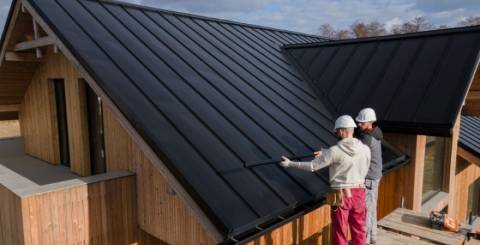
Here's the honest truth most building owners find out the hard way: commercial roofs fail differently than residential ones. Bigger footprints, rooftop HVAC units, low-slope drainage, complex penetrations, these aren't just design quirks. They're vulnerabilities stacking on top of each other, quietly compounding every time routine maintenance gets pushed to next quarter.
And the damage? It goes well beyond a stained ceiling tile. We're talking structural deterioration, mold remediation projects, disrupted tenants, and warranties that become void the moment you needed them most.
Tackling commercial roofing problems through consistent commercial roof maintenance tips, well-timed commercial roof leak repair, and real attention to roof membrane issues isn't just responsible, it's financially strategic. According to experts, improved roof systems alone can reduce energy consumption by up to 30 percent. Prevention isn't a cost center. It's a return on investment.
Property managers, facility directors, business owners, you're all navigating the same concern. Catch problems early or pay for them later, usually at the worst possible moment. This guide walks through the most common failure patterns, what's actually driving them, and what a practical prevention strategy looks like in real buildings.
One more thing worth mentioning upfront, many renowned cities brings its own roofing headaches. Coastal fog, salt-air exposure, and a rainy season that moves fast; these conditions expose even tiny membrane deficiencies before you've had a chance to address them. Working early and finding out a trusted commercial roofers near me gives you climate-specific guidance built for East Bay conditions, not generic advice copied from a cold-weather market.
What Facility Managers See Most Often, and What's Really Behind It
Commercial roofs don't fail randomly. The patterns are predictable once you know where to look.
Leaks: They Start Where You're Not Looking
Most commercial roof leaks don't originate where they show up. Water infiltrates at seams, HVAC curbs, skylight penetrations, and section transitions, then migrates under the membrane before appearing on your ceiling two offices over. Chasing the stain rarely leads to the source.
Effective commercial roof leak repair starts from the roof surface down, not from the ceiling up. Infrared moisture scanning and electronic leak detection identify water pathways long before they're visible to the naked eye. Open seams, failed flashing, fastener back-out, and small punctures are common culprits, all of them requiring professional diagnosis to fix correctly and permanently.
Ponding Water, A Slow but Relentless Problem
Ponding water is defined as standing water that remains on a low-slope roof for more than 24 to 48 hours after rainfall. It doesn't look dramatic. But it's one of the most persistent commercial roofing problems there is.
Left unaddressed, it accelerates membrane breakdown, adds structural load, promotes algae, and in cold climates, introduces freeze-thaw cycle damage that quietly destroys the system over time.
The causes are usually a combination of poor slope design, deck deflection, clogged drains, and collapsed insulation sections. Real flat roof leak prevention means both design corrections, tapered insulation, added scuppers, and consistent habits like seasonal drain cleaning and prompt repair of low spots before the next storm season.
Roof Membrane Issues: Different Systems, Different Failure Modes
Not all membrane problems look alike. EPDM tends to shrink and pull away at the perimeters. TPO and PVC experience UV degradation and heat aging over time. Modified bitumen blisters when trapped moisture has nowhere to escape. Each failure mode has visual signatures: edge wrinkles, lifted terminations, soft spongy sections, and surface alligatoring.
Prevention comes down to manufacturer-compliant installation, correct fastening patterns, and scheduled re-sealing of all terminations. Skip one of those steps, and you've created a vulnerability that gets worse with every temperature swing.
Flashing Failures: The Most Consistently Overlooked Weak Point
Walls, curbs, parapets, and roof edges. Flashing handles the most movement-prone transitions on any commercial roof, and when it fails, pulled counterflashing, cracked sealant, improperly lapped corners, water finds a direct, unobstructed path into your building.
The NRCA confirms that the majority of roof leaks originate at these flashing locations. Annual close-up inspections of every transition point aren't optional; they're foundational. Upgrading to corrosion-resistant metals and replacing field-fabricated flashings with prefabricated components wherever possible significantly reduces long-term risk.
Foot Traffic, Trade Crews, and Rooftop Equipment
This one surprises people. HVAC technicians, electricians, and telecom crews cause real damage to commercial roofs, not out of negligence necessarily, but because nobody briefed them on what's underfoot.
Dropped tools, unprotected pathways, and sharp metal edges from equipment installations leave random punctures, crushed insulation, and scuffed membranes that degrade quietly between inspections.
The fix requires access protocols for all non-roofing contractors, walk pads along service routes, and a firm "no new penetrations without written approval" policy. Simple rules. Consistently ignored.
Aging Systems, When Patching Stops Being Enough
Every commercial roof has a serviceable life shaped by climate, UV load, and maintenance history. As systems age, the signals accumulate: recurring leaks in patched areas, brittle or chalked surfaces, widespread seam failures, and insulation saturation. At some point, another repair doesn't make financial sense.
Condition assessments, core cuts, and life-cycle analysis help facility managers make time recover-versus-replace decisions before an emergency forces the issue at the worst possible moment.
Interior Damage: Mold, Condensation, and Saturated Insulation
Not every ceiling stain traces back to a direct roof leak. Condensation from poor insulation or inadequate ventilation produces nearly identical symptoms, but demands a completely different fix. Either way, the outcomes are the same: mold growth, compromised indoor air quality, rusting steel deck, and energy bills creeping higher every quarter.
Vapor barrier design, air sealing at penetrations, and maintaining adequate insulation R-values are the core prevention tools. Letting this slide for even one season can turn a manageable issue into a full remediation project.
Commercial Roof Maintenance Tips That Actually Hold Up in Practice
Set Your Inspection Schedule Around the Calendar, Not Emergencies
The GSA recommends inspecting commercial roofs twice annually, spring and fall, when surfaces are driest and most accessible. Those windows cover post-winter damage and pre-rainy season readiness, exactly when small defects are cheapest to address.
For high-traffic or harsh-climate buildings, adding post-storm inspections provides another layer of protection. And here's something worth knowing: the NRCA reported that 20 percent of contractors expect hiring to become more difficult. Locking in service agreements before peak seasons isn't just smart scheduling, it's increasingly necessary.
Also Read: Why Some Siding Materials Show Dirt More Than Others in Spring Weather
What Your On-Site Team Can Realistically Handle
In-house staff don't need roofing expertise to add genuine value between professional visits. Keeping drains, scuppers, and gutters clear of debris, checking for new ponding areas after storms, logging photos of suspicious spots over time, these are manageable tasks that consistently catch problems before they escalate.
Safety matters. Use designated tie-off points, stay on walk pads, and never step onto frozen or ponded surfaces. Good documentation from in-house staff also makes professional inspections more targeted and efficient.
Seasonal Preparation and Documentation Habits Worth Building
Cold climates need ice dam management, snow-load monitoring, and freeze-thaw ponding controls. Hot climates require UV-resistant coatings and reflective surfaces to slow heat-aging. Storm-prone regions need edge metal and coping inspections completed well before storm season, not after the first major event.
Thorough documentation, photos, maintenance logs, repair invoices, protects both manufacturer warranties and budget forecasts. A simple digital tracking system for your roof plan, issue log, and contractor history makes warranty claims defensible and bid comparisons straightforward.
Prevention Tactics Matched to Specific Problems
For Leaks and Membrane Failures
A structured prevention approach starts with a baseline condition assessment: core sampling, deck evaluation, and moisture scanning. Prioritize repairs by risk, seams, and penetrations first, and general surface damage next.
A recurring preventive maintenance contract with defined response times and detailed reporting keeps repairs manageable and prevents the deferred maintenance cycle that turns minor commercial roof leak repair into full-section replacements.
For Ponding Water and Aging Systems
Effective ponding prevention works on three levels simultaneously: design (slope verification, tapered insulation), drainage (scheduled cleaning, strainers, interior rain leader inspections), and discipline (no rooftop material storage, post-storm inspections within 48 hours).
For aging systems, the decision framework weighs targeted repair, restoration coatings, partial retrofit, or full replacement against age, leak history, insulation saturation, and energy performance goals. A phased, multi-year capital plan prevents catastrophic failure from forcing rushed, expensive decisions.
Choosing Commercial Roofers Near Me for Prevention and Repair
Even the most disciplined prevention plan is only as strong as the professionals implementing it. Selecting the right contractor matters enormously.
What Separates True Commercial Specialists
Real commercial specialists bring manufacturer certifications, documented safety programs, and hands-on experience with your specific roof system, TPO, EPDM, PVC, modified bitumen, or metal. Generalists frequently over-rely on caulk, skip moisture testing, and can't produce written condition reports.
Evaluating bids means comparing scope clarity, materials specified, repair warranties, safety provisions, and cleanup standards, not just the bottom-line number.
Building a Maintenance Partnership, Not Just a Vendor Relationship
Rather than calling in a contractor only when something fails, the smarter approach is to develop an ongoing relationship with trusted commercial roofers near me. A real partner establishes preventive inspection routines, prioritizes repairs proactively, documents conditions with photos, and helps with seasonal budget planning. They also assist with insurance claims after storm events and advise on replacement timing before a catastrophic failure forces the decision under pressure.
A Practical Commercial Roof Maintenance Checklist
Quick Checkpoints for In-House Walkthroughs
| Item | What to Look For |
| Drains and scuppers | Clear of debris, strainers in place |
| Surface ponding | No new "dish" areas after rainfall |
| Loose metal or fasteners | Nothing exposed or protruding |
| Membrane condition | No open seams, torn patches, or exposed insulation |
Technical Items for Professional Inspections
| Item | Method |
| Moisture intrusion | Infrared scan or core cuts |
| Flashing integrity | Visual check at all transitions |
| Membrane thickness | Measurement and adhesion testing |
| Edge uplift resistance | Pull testing at perimeters |
Translate findings into a 12-month action plan: immediate fixes, seasonal prep tasks, and budgeted projects for larger work. Schedule the next inspection now and get it on the facility calendar before the season changes.
Common Questions About Commercial Roofing Problems
Why does my flat roof leak every winter, even after repairs?
Recurring winter leaks usually point to ice dams, drainage deficiencies, or insulation gaps, not normal aging. If it keeps happening, the root cause hasn't been correctly identified yet.
What interior signs suggest my commercial roof is starting to fail?
Ceiling stains, musty odors, unexplained temperature swings, and rising energy bills all show up before obvious exterior damage. Don't wait for symptoms to worsen.
When should I replace rather than keep repairing an older roof?
When repairs are recurring, insulation is saturated, or the system has exceeded its expected service life, replacement typically delivers better long-term value than continued patching.
What drives commercial roof leak repair costs?
Access difficulty, system type, wet insulation volume, and code upgrade requirements are the main factors. Catching leaks early, before insulation saturates, keeps repair scope and cost significantly smaller.
What's the safest roof access procedure for building staff?
Always use fall protection, verify weather conditions first, stay on designated walk pads, and never access frozen or ponded surfaces. Document observations; don't attempt repairs.
Where This All Leads
Most commercial roofing problems don't arrive suddenly, they build gradually through deferred maintenance, unaddressed ponding, and roof membrane issues that got noticed and then set aside. That's the pattern. And it's also the most fixable one.
Consistent commercial roof maintenance tips, proactive commercial roof leak repair, and genuine flat roof leak prevention strategies stop the majority of failures before they disrupt operations or drain your capital budget.
A well-maintained commercial roof protects your building, your tenants, and your bottom line, and none of it requires heroics. It starts with scheduling that first inspection and treating your roof like the long-term asset it actually is.
Similar Articles

If you have ever cleared the dining table for a blow-up mattress, or given up your own bedroom for a week while relatives filled the house, you already understand the problem.

According to environmental studies, the average person spends roughly ninety percent of their life indoors. This staggering reality has sparked a widespread shift in how we approach interior spaces, especially as remote work and digital lifestyles keep us tethered to screens.

The garden has quietly become the most valuable extra room in the British home. With hybrid working now a fixture rather than a phase, the wider outdoor-living economy is booming.
Most people who hire a skip bin for the first time arrive at the decision under some degree of pressure. The renovation has started, the waste is accumulating, and the question of what to do with it has become urgent.

Most homeowners approaching a granny flat project spend considerable time thinking about the end result and considerably less time thinking about the floor plan decision that will largely determine what that result looks and feels like.

Running out of room? Happens to almost everyone eventually. Garages fill up, closets overflow, and suddenly the lawnmower is living next to the holiday decorations in some awkward standoff.
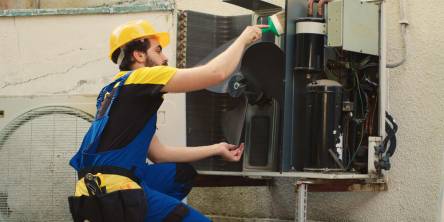
Heating and cooling equipment affect more than the temperature on the thermostat. It influences comfort between rooms, humidity, airflow, and the condition of the air as it moves through the home.

The key to a minimalist living room is restraint, but that's not enough to make a room feel finis
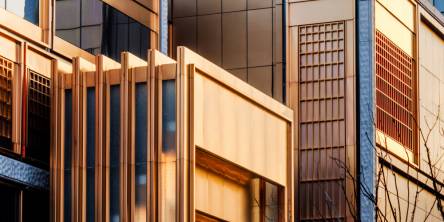
Rectification of exterior cladding may be required during the lifetime of a building for several reasons: to replace non-compliant cladding/combustible panels, to repair damage, to improve energy efficiency, or to modernise an older building.