

How to Design a Safe and Engaging Backyard for Your Dog
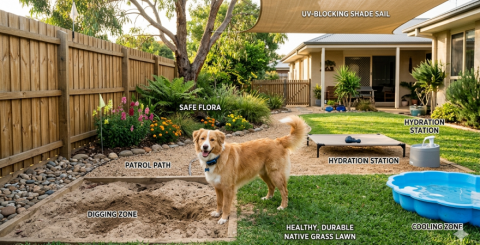
For many homeowners, the backyard is a personal sanctuary that offers a relaxing escape from the daily grind. However, when you share your home with a canine companion, that outdoor space needs to be more than just a well-manicured lawn and a tidy patio. A truly dog-friendly yard balances visual aesthetics with practical, hard-wearing features that cater to your pet's natural instincts while keeping them entirely secure at all times. Dogs thrive on outdoor time, as it provides essential fresh air, diverse sensory input, and plenty of room to burn off excess energy. Transforming your garden into a safe and engaging playground requires careful planning, a keen eye for potential hazards, and a distinct focus on canine enrichment.
Establish Secure and Reliable Boundaries
The foundation of any dog-friendly outdoor space is a secure and reliable perimeter. Before adding fun play features or new garden beds, you need to ensure your dog cannot easily wander onto busy roads, chase local wildlife, or intrude on neighbouring properties. Traditional timber, wire, or Colorbond fencing is a common choice for establishing property lines. However, some dogs are notorious escape artists who love to dig under, chew through, or jump over physical barriers. Upgrading or replacing these traditional fences can sometimes be incredibly costly, structurally challenging, or restricted by local council guidelines regarding height and materials.
In cases where traditional fencing is impractical or your dog needs extra boundary reinforcement, modern technology can step in to help. Many pet owners spend time researching how dog containment fences work to understand if these systems are a viable alternative for their property layout. These setups typically use a hidden boundary wire and a specialized receiver collar to gently educate dogs on their designated safe zones. This makes them highly effective for sprawling suburban blocks, rural properties with complex landscapes, or visually open gardens where bulky wooden fences would ruin the aesthetic appeal.
Remove Hidden Hazards and Toxic Plants
Once the perimeter is secure, it is time to look closely at the vegetation and landscaping materials within your yard. Many popular, beautiful garden plants pose a severe risk to pets if ingested. Dogs, especially curious and teething puppies, often explore their environment by sniffing, licking, and chewing on leaves, sticks, and colourful flowers. Furthermore, common garden maintenance products like snail baits, chemical weed killers, and certain organic fertilisers can be highly poisonous and should be stored securely out of reach.
Before finalising your overall garden design, you must actively identify and remove these botanical dangers to ensure a completely worry-free environment. According to the Cornell University College of Veterinary Medicine, common yard plants like azaleas, tulips, and oleander are highly toxic to dogs. Ingesting even small amounts of these seemingly harmless blooming plants can cause severe cardiac issues, neurological problems, and severe gastrointestinal distress. Always opt for pet-safe flora such as snapdragons, marigolds, or tough native Australian grasses that will not harm your furry friend if they decide to take a quick nibble out of curiosity.
Create Enrichment Zones for Mental Stimulation
A safe yard is an excellent starting point, but an engaging yard actively prevents destructive behaviours born from sheer boredom and frustration. Dogs need significant physical and mental stimulation daily to maintain a balanced temperament. Zoning your backyard to accommodate different types of activities is a fantastic way to keep them entertained while you are busy indoors or at work. You might consider building a dedicated digging pit filled with loose sand or soft dirt to satisfy their natural urge to excavate without ruining your prized vegetable garden or manicured flower beds.
Another crucial part of backyard enrichment is providing the right activities and taking active steps to help your pets thrive. Leaving sturdy rubber chews, durable nylon bones, and thick rope toys in designated play areas encourages independent play and healthy chewing habits. You can also hide small training treats around a safe obstacle course or a sensory garden to engage their powerful sense of smell. Giving them a rewarding job to do while outside prevents them from barking at the fence or digging up your lawn.
Design for Comfort and Practicality
Your dog will likely spend a significant amount of time outside in varying seasonal weather conditions, so climate comfort should be a major design factor. You want the yard to be a place where they can relax and nap just as easily as they can run and play fetch. Incorporating functional comfort zones makes the space enjoyable year-round and protects your dog from extreme elements like heavy rain or blazing heat.
Consider these essential comfort features for your dog-friendly garden:
- Shade structures: Plant large, leafy native trees or install a UV-blocking shade sail to protect your dog from the harsh summer sun and prevent heatstroke.
- Hydration stations: Set up a dedicated, tip-proof water bowl or a plumbed-in automatic pet fountain to ensure constant access to fresh, cool drinking water.
- Patrol paths: Dogs instinctively love to patrol their territory. Leave a clear, unplanted dirt or gravel perimeter along the fence line where they can pace freely without trampling your delicate plants.
- Cooling zones: A shallow clam shell pool filled with fresh water or a shaded patch of cool, pet-safe mulch can provide immense relief during sweltering afternoon heatwaves.
Designing the ultimate backyard for your dog does not mean sacrificing your own outdoor enjoyment or aesthetic preferences. By securing the boundaries effectively, removing toxic hazards, and adding thoughtful elements of enrichment, you create a harmonious environment that works beautifully for the whole family. A carefully planned and well-maintained space keeps your dog healthy, happy, and out of trouble, allowing both you and your canine companion to enjoy the great outdoors in perfect peace.
Similar Articles

If you have ever cleared the dining table for a blow-up mattress, or given up your own bedroom for a week while relatives filled the house, you already understand the problem.
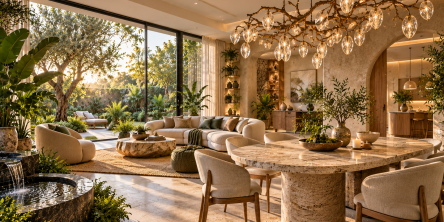
According to environmental studies, the average person spends roughly ninety percent of their life indoors. This staggering reality has sparked a widespread shift in how we approach interior spaces, especially as remote work and digital lifestyles keep us tethered to screens.

The garden has quietly become the most valuable extra room in the British home. With hybrid working now a fixture rather than a phase, the wider outdoor-living economy is booming.

Most people who hire a skip bin for the first time arrive at the decision under some degree of pressure. The renovation has started, the waste is accumulating, and the question of what to do with it has become urgent.

Most homeowners approaching a granny flat project spend considerable time thinking about the end result and considerably less time thinking about the floor plan decision that will largely determine what that result looks and feels like.

Running out of room? Happens to almost everyone eventually. Garages fill up, closets overflow, and suddenly the lawnmower is living next to the holiday decorations in some awkward standoff.
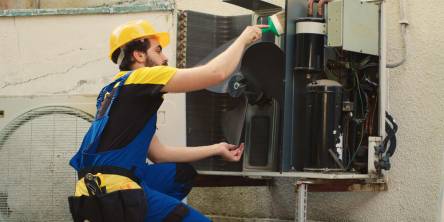
Heating and cooling equipment affect more than the temperature on the thermostat. It influences comfort between rooms, humidity, airflow, and the condition of the air as it moves through the home.

The key to a minimalist living room is restraint, but that's not enough to make a room feel finis

Rectification of exterior cladding may be required during the lifetime of a building for several reasons: to replace non-compliant cladding/combustible panels, to repair damage, to improve energy efficiency, or to modernise an older building.