

Longevity Clinic Explained: What Your Biomarkers Reveal About Ageing

Imagine a place where doctors do not just look at your age but try to understand how old your body really is. In such a clinic, two people who are both 50 years old might have very different bodies inside. One may be as healthy as someone much younger, while the other might feel older. A longevity clinic studies what makes this difference. They’re not only looking out for illness but also guiding folks toward better long-term wellness through everyday choices.
How do doctors study ageing at a Longevity clinic?
To see how well your body is ageing, doctors look at your cells and blood. One thing they check is the telomeres, which are tiny caps at the ends of chromosomes. Each time your cells divide, these caps get a little shorter, and when they become too short, the cells stop working well. That is one reason we age. But the good news is, things like regular exercise, healthy food, and low stress can slow this down.
At a longevity clinic, doctors also study something called the epigenetic clock. It is like a set of tiny switches on your DNA that change based on how you live. If you sleep well, eat fresh food, and stay calm, your cells can act younger, even if your age in years stays the same.
What makes people age faster or slower
Getting older is not just about the number of birthdays you have. Inside the body, there can be a slow and quiet kind of irritation called inflammaging. It is not a disease, but a mild, constant inflammation that can lead to heart problems, diabetes, or memory issues. Doctors at longevity clinics check for signs of this in the blood and suggest eating better, sleeping well, and keeping the body active. Stress, lousy meals, or polluted air - these ordinary things can let inflammaging sneak in over time. These impacts take root without noise, popping up way down the line as signs of ageing.
Metabolism, the way our body uses energy, also changes with age. If blood sugar levels stay too high for too long, it can make the body age faster. That is why clinics teach people to avoid too much processed food and to move more during the day.
Another reason we age is because of free radicals - unstable molecules that can damage cells. Certain veggies and fruits pack antioxidants, which shield our insides from harm. Getting plenty of those foods, while also sleeping well and staying active, boosts the body’s built-in fixes so cells stay tough.
How do longevity clinics help people live better?
As people get older, hormone levels such as estrogen and testosterone change naturally; these shifts can influence how someone feels, sleeps, or maintains muscle strength. Spotting symptoms early helps physicians suggest practical daily routines - eating better, staying active, handling pressure, improving rest cycles - to support overall function. Instead of default, care is shaped around each person’s body goals and lifestyle priorities.
Many longevity clinics also use health-tracking tools and wearable devices to follow progress in real time - tracking things like sleep, activity levels, and recovery. This helps doctors fine-tune each plan along the way, supporting lasting health, steady energy, and a better quality of life over time.
Can we really control how we age?
Ageing is not something that just happens to us; it is something we can influence. A Longevity clinic helps people notice changes early and guide them to take care of themselves better. It is not about living forever but about living well and strong.
Sure, some treatments at these places aren’t fully backed by science, yet solid clinics lean on studies and clear info. The key? Knowing your body’s signals - then making smart moves based on them. It’s less about fast results, instead focusing on slow gains that stick around, keeping folks moving well and thinking sharp over time.
Visiting a longevity clinic will help to create a personal roadmap for one's health. It photographs the current health status of a person. Every small step like eating better, walking daily, or managing stress, can add up to a longer, healthier life. Little by little, these routines let the body bounce back quicker while keeping thoughts clear, creating a base for ageing well.
In summary
A longevity clinic teaches that ageing is not a disease but a journey we can guide. Through regular check-ups and small lifestyle improvements, anyone can keep their bodies strong and minds clear. The goal is not to stop time but to make the time we have full of energy, clarity, and purpose.
Growing old is natural. What matters is the quality of ageing - with care, awareness, and joy. That is what a longevity clinic is all about: helping people live better, not just longer.
Similar Articles

Healthcare is built around people, but providing good care also depends on how well an organization manages the many tasks happening around each patient.

We live in an era where restorative rest is increasingly difficult to achieve. The relentless pace of contemporary work environments leaves little room for mental decompression.

Look up almost any doctor before an appointment, which is what the majority of patients now do, a
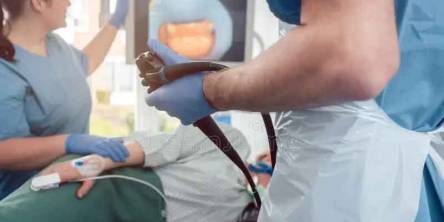
Endoscopy is a minimally invasive medical procedure that enables healthcare professionals to examine the internal organs and body cavities using a thin, flexible instrument called an endoscope.
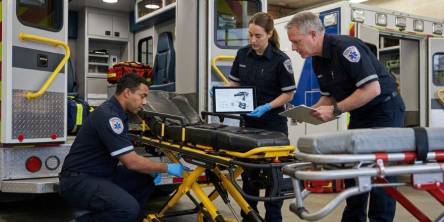
Learn how to choose the right ambulance stretcher for your fleet in 2026 by comparing safety, durability, mobility, comfort, and key features.

Look at how people around you actually watch things. Captions on. Not in a noisy train carriage, not in a shared flat at midnight, but at home, alone, on a good television, by people whose hearing is fine.

Finding the right medical daycare involves more than choosing whichever center is closest to home.

Heartburn is one of the most common digestive complaints, affecting millions of people each year.

Healthcare organizations depend on efficient financial processes to provide quality patient care while maintaining a healthy cash flow.