

Beyond the Interface: What It Takes to Modernize Legacy Systems

When people talk about modernizing technology, the conversation too often starts and stops at the surface—flashy new interfaces, intuitive dashboards, or a mobile app that finally “feels modern.” While these front-end updates make a splash, they only scratch the surface of true digital transformation. The real work? It’s what happens under the hood.
Modernization means something much more profound for industries like finance, government, and healthcare, where legacy systems have often existed for decades. Modernization is about redefining how things work. And that requires a full-on rethink of data architecture, system interoperability, compliance frameworks, cybersecurity, and change management.
Modernizing a legacy system isn’t a tech refresh. It’s a strategic, organization-wide evolution.
Why Cosmetic Fixes Just Don’t Cut It
Let’s start with a simple truth: Slapping a new UI on an outdated system is like putting a fresh coat of paint on a crumbling house. It might look better temporarily, but the foundation is still shaky.
Take Electronic Health Records (EHRs), for example, which have become emblematic of the healthcare sector’s transformation journey. When hospitals first began digitizing paper records, the focus was administrative—make it digital and accessible. But over time, it became clear that transferring information to a computer wasn’t enough. Modern EHR systems must now interoperate with labs, insurers, government databases, and other providers. They must maintain strict compliance with HIPAA and other privacy regulations and support real-time data exchange to improve patient outcomes. That kind of transformation doesn’t happen with a facelift. It happens by rebuilding from the ground up.
The Backbone of Modernization: Data, Security, and Scale
Data Migration and Interoperability
Data migration is one of the first—and often most underestimated—hurdles in modernization. It’s not just about moving data from point A to point B; it’s about transforming that data so it’s usable, secure, and compliant in a new ecosystem. Teams must dismantle data silos, standardize formats, and ensure the new system interoperates with both internal and external partners.
Using the previous healthcare example, if a new EHR system can’t exchange data with an insurer’s system or a regional health network, it fails the interoperability test—and puts patient care at risk. In finance, similar principles apply when integrating with clearinghouses, regulatory bodies, or third-party fintech platforms.
Cybersecurity and Compliance
Legacy systems were often built in a different era, before today’s cybersecurity threats were even imaginable. As a result, their defenses are patchy at best. Modernization means re-architecting systems with security baked in at every layer, not bolted on afterward.
Industries such as government and banking face stringent compliance requirements—think GDPR, PCI DSS, or FedRAMP—which demand encrypted data, auditable workflows, access controls, and real-time monitoring. And here’s the kicker: you often must maintain compliance while modernizing. That’s like changing a plane’s engine while it’s still flying.
Modernization Is a People Problem, Too
Strategic Buy-In and Change Management
One of the organization's most significant mistakes is considering modernization a tech challenge. It’s not. It’s a people challenge—a culture shift that requires cross-departmental alignment, executive sponsorship, and robust change management.
Resistance can come from all sides. End users often fear the learning curve. Middle management may resist disrupting workflows that “still work.” And IT teams can be wary of replacing familiar systems with new platforms they haven’t yet mastered.
That’s why successful modernization efforts start by aligning on the why, not the how. When leaders communicate the strategic value—be it better customer experiences, improved decision-making, or reduced long-term risk—buy-in becomes easier. Training, documentation, and phased rollouts also help smooth the transition.
The Real Work Happens Behind the Scenes
If there’s one takeaway here, it’s this: modernization isn’t about bells and whistles—it’s about rebuilding the machine while keeping it running. That means tackling complex, unglamorous tasks like data migration, compliance alignment, and cultural change.
Yes, the slick front-end interfaces are important. They’re what users see and interact with. But they’re only as effective as the systems behind them. True digital transformation requires looking beyond the interface and investing in the foundations that support scalability, security, and sustainability.
So, if you’re leading a modernization initiative, don’t fall into the trap of thinking it’s all about UI and UX. Ask the hard questions: Can our data move across platforms? Are we secure against modern threats? Is our team ready, not just in terms of tools, but in terms of mindset?
In the end, modernization is a business decision that touches everything and everyone.
Similar Articles

A product photograph can be sharp, well lit, and still be difficult to use. The background competes with the item. A reflection hides part of the label.

ChatGPT can turn a rough idea into a first draft, explain an unfamiliar concept, or help organize a project plan in minutes. That speed makes it tempting to treat the tool like an all-purpose expert.
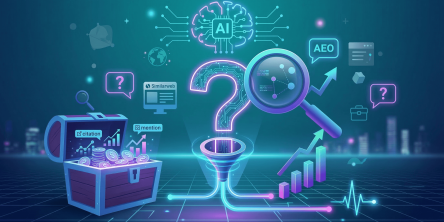
Why AI answer engines overlook manufacturer catalogs: PDFs, bare part numbers, and thin pages hide expertise. Learn how to make products citable.

Anthropic, the American company behind Claude, is among the most closely watched companies by investors in artificial intelligence. But how can an individual invest in Anthropic when the company is not yet publicly traded?

Discover three key factors for optimizing your AI model, including performance, accuracy, and efficiency, to achieve better results and reduce costs.
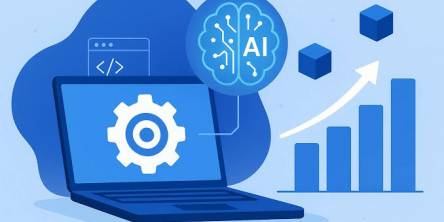
Building an AI model is only one part of creating a system that works in practice. Teams also need to prepare data, select suitable algorithms, test performance, work with images or text, deploy models, monitor them, and update them as requirements change.

Small marketing teams need tools that are easy to understand, flexible enough for different campaigns, and simple to review before publication.

Short-form storytelling requires more than attractive visuals. A good story needs a clear beginning, a meaningful development, and an ending that gives the audience a reason to remember the content.

Discover how AI is transforming customer service by handling routine enquiries, improving routing, assisting employees and helping businesses spot patterns.