

Why You Shouldn’t Wait to Get Custom Software: The Risks of Delay
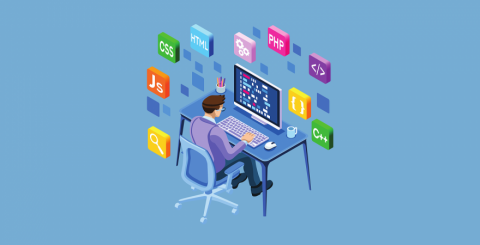
In today’s fast-paced business world, staying ahead of the competition is crucial. Many companies rely on off-the-shelf software because it’s an easy, quick, and affordable solution for everyday tasks. But what happens when your business outgrows these one-size-fits-all solutions? Delaying the decision to invest in custom software can have significant consequences for your business. Let’s explore why you shouldn’t wait to get custom software and the risks you face if you put it off.
1. Missed Opportunities for Growth
One of the main reasons businesses turn to custom software is to support their growth. As your business evolves, your needs become more specific, and off-the-shelf software can quickly become a roadblock. When you stick with a generic solution that isn’t tailored to your needs, you limit your ability to innovate and expand. Custom software allows you to develop tools that directly support your business goals, whether that’s improving efficiency, enabling new services, or streamlining operations.
By delaying the decision to implement custom software, you risk missing opportunities to improve processes, reach new customers, or expand into new markets. The longer you wait, the harder it becomes to catch up with competitors who are already benefiting from tailored, scalable solutions. To avoid missing out on opportunities, you will need professional help with customised software service.
2. Operational Inefficiencies
Off-the-shelf software is built to cater to a wide range of businesses, which means it’s unlikely to fully align with your specific operations. As a result, your team may have to resort to workarounds, manual processes, or multiple systems to get things done. These inefficiencies can waste time, increase the chances of errors, and ultimately hurt your bottom line.
Delaying the switch to custom software means continuing to work with outdated systems that aren’t built to handle the unique challenges of your business. Custom software can streamline operations, reduce redundancy, and automate tasks, leading to a more efficient and productive work environment.
Read more: Fintech Software Development: Tips for Outsourcing
3. Security Risks and Data Vulnerabilities
In an age where data breaches and cyberattacks are increasingly common, security should always be a priority. Off-the-shelf software often comes with standard security measures, but it may not be sufficient for your specific needs, especially if you're handling sensitive customer data or proprietary business information.
Delaying the transition to custom software can leave your business exposed to potential security vulnerabilities. Custom software allows you to implement security measures tailored to your business and industry, ensuring that your data is protected. By postponing the development of a tailored solution, you put your company at risk of data breaches, regulatory penalties, and damage to your reputation.
4. Inability to Adapt to Changing Market Conditions
The business landscape is constantly evolving, with new technologies, regulations, and customer expectations emerging all the time. Off-the-shelf software may not have the flexibility to adapt to these changes, which means you could be left struggling to keep up. As competitors innovate and implement new solutions, your business could fall behind if you’re relying on a generic tool that doesn’t evolve with the market.
With custom software, you can build a solution that is flexible and scalable enough to adapt to changing business conditions. Whether you need to integrate new technologies, update features, or respond to new market demands, custom software ensures you’re always equipped to move with the times.
5. Increased Costs Over Time
It’s tempting to stick with off-the-shelf software because it’s inexpensive upfront, but in the long run, the hidden costs can add up. As your business grows, you may need to purchase additional licenses, pay for upgrades, or invest in third-party tools to fill in the gaps. Furthermore, the inefficiencies caused by using software that doesn’t fit your needs can lead to higher operational costs.
On the other hand, custom software is a one-time investment that can save your business money over time. With a tailored solution, you’re only paying for the features and functionality that are directly relevant to your business. Plus, as the software is built to your specifications, you won’t need to waste money on unnecessary add-ons or workarounds.
Knowing When You Have Found Great Software Development Professionals
Various Case Studies
Experienced software development professionals want to share their achievements with you. Indeed, they’ll provide plenty of examples and case studies on their website. This is going to show off when they’ve done for clients and give you a better idea of what the team could do for you. Thus, take a look around online to view case studies. If you’re impressed by what you see, you’ll know that you’ve got a candidate to shortlist.
Easy to Contact
It’s common to have many questions before hiring software development experts. This could be about your project or something about the team. Either way, professionals ensure that they’re easy to contact. They should have plenty of contact information, whether this is a telephone number, email address or an online calendar for booking calls. They want to hear from you.
Five-Star Reviews
It doesn’t matter what product or service you’re interested in. You can learn a lot from reading reviews. Other clients will highlight what a team does well and comment on anything that went wrong. You’ll know when you’ve found true experts because the reviews will speak for themselves. They’ll get endless five-star reviews, plus positive comments. Make sure you read them to get an idea of what to expect and whether you can trust this team with your new website refresh.
Outline the Service
Professionals want to tell you exactly what you’ll get from them. They’ll outline their web development services and what you can expect. This way, they can impress you with their team and entice you to contact them.
Conclusion
The longer you delay the decision to invest in custom software, the more risks you face. Missed growth opportunities, operational inefficiencies, security vulnerabilities, and increased costs can all hold your business back. By taking action now and implementing a tailored solution, you can future-proof your business, increase efficiency, and create a more secure, scalable platform for growth.
Custom software isn’t just a luxury—it’s an essential investment that can help your business thrive in a competitive landscape. Don’t wait until your business is struggling with outdated systems. Start planning for custom software today, and give your business the tools it needs to succeed tomorrow.
Similar Articles
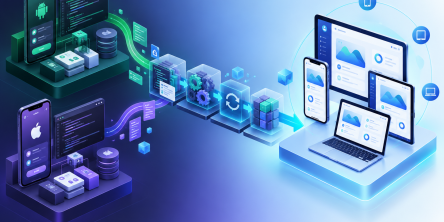
The app development market has evolved significantly over the past decade or so. Its impact on business has been equally consequential.

Offshore IT hiring means recruiting IT professionals who work from another country or region. Companies commonly use this approach for software development, QA, IT support, DevOps, cybersecurity, data, and project management.

By 2026, moving to the cloud is no longer merely a competitive advantage. It is a business necessity. Every organization across the broad spectrum of industries will be challenged to become more agile.
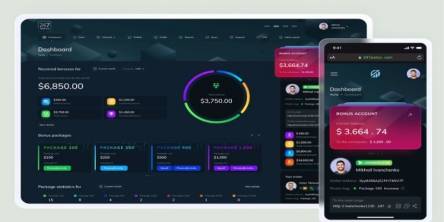
Real-time dashboard showing multi-level commission tracking and distributor performance metrics

Digital transformation initiatives are no longer unheard of in the corporate world. As a matter of fact, it is also well known that companies expanding their digital footprint tend to run into crippling legacy apps.

The financial aid office has become one of the most operationally strained departments on the modern U.S. campus. FAFSA complexity, chronic staff turnover, tightening Title IV compliance obligations, and the persistent problem of unspent scholarship dollars have pushed administrators toward purpose-built financial aid management software
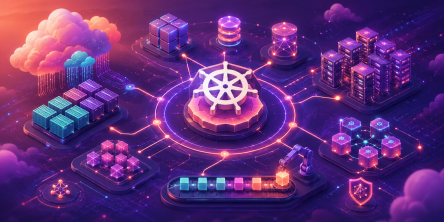
The demand for software delivery has never been higher. Applications must be delivered faster and on a scale like never before.
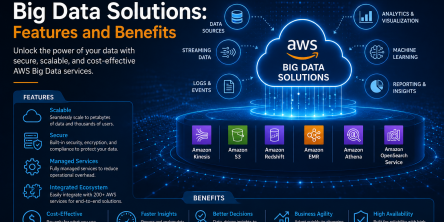
Modern businesses produce large amounts of data daily. Be it from customer transactions, Internet of Things (IoT) sensors, or countless other such sources.

Businesses today need to ship new software faster than ever. That's not news, of course. Anyway, because of the demands on businesses, new solutions are being built on top of micro-services, serverless functions, etc.