

Mold and Asbestos in Rental Properties: A Landlord’s Guide
Dealing with mold and asbestos is a big challenge for landlords. These can cause health problems. This guide will show you how to handle them in rental properties. Keep reading to learn more.
Landlord Responsibilities for Mold
Landlords need to watch for mold and act fast if they find it. They must also take tenant complaints about mold seriously and handle them quickly.
Identifying mold presence
To spot mold in a rental property, check damp areas first. Mold loves wet places. Look for it under sinks, around windows, and in basements. It can look like spots that are black, green, or white.
Sometimes you can't see mold because it hides behind walls or wallpaper. A musty smell often means mold is there even if you can't see it. This smell is a red flag.
Using a flashlight helps find mold in dark corners. If you think there's mold but can't find it, getting help from a professional might be the next step. They know how to do mold and asbestos tests to find out if there's mold and where exactly it is located.
Addressing tenant complaints promptly
Landlords must take tenant complaints about mold and asbestos seriously. Quick action protects health and avoids legal problems. If a tenant reports mold, inspect the property immediately.
Use professional services when needed to remove dangers safely. This keeps rental properties safe and maintains good indoor air quality.
Listening and responding quickly to concerns shows tenants their well-being is important. It also helps in keeping the property in top condition, preventing bigger issues later on.
Health risks of mold are next up for discussion, showing why immediate response matters.
Health Risks of Mold in Rental Properties
Mold in rental properties is not just a small issue—it can seriously harm people's health. Some molds produce mycotoxins, which are harmful substances. Breathing them in can cause allergies, asthma attacks, and even long-term lung issues.
People with weak immune systems or chronic lung diseases are at a higher risk. Kids and older adults might get sick from mold more easily than others.
Exposure to mold doesn't affect everyone the same way, but it's clear that it can lead to serious health problems if not taken care of quickly. Symptoms like coughing, sneezing, sore throats, and eye irritation are common among tenants exposed to moldy environments.
Preventing Mold Growth
Stopping mold before it starts is key. Keeping a rental property dry and well-ventilated helps stop mold from ever becoming a problem.
Regular property inspections
Regular inspections of rental properties can spot mold and asbestos early. Landlords should look closely at walls, basements, and attics for these dangers. They also need to check pipes and roofs often to prevent leaks that could cause mold.
These checks help keep the building safe and air quality good. This way, landlords can fix small problems before they get big, saving money and keeping tenants healthy.
Ensuring proper ventilation
Good air flow stops mold from growing. This means landlords need to make sure their properties have enough ventilation. They should check that vents in kitchens and bathrooms work well because these places often get very damp.
Windows should open easily too. This helps fresh air come in and old air goes out.
Landlords can also use dehumidifiers in damp areas. This keeps the moisture level down. It's a simple way to fight against mold.
Landlord Responsibilities for Asbestos
Landlords must identify materials in their properties that might contain asbestos. It's crucial to hire professionals for safe removal to protect tenants and comply with laws.
Identifying asbestos-containing materials
To find asbestos in rental properties, look at building materials used before the 1980s. Many older buildings have asbestos in tiles, insulation, and roofing. It's hidden but harmful if disturbed. Landlords must check these common spots for safety.
Hiring experts is next after spotting possible asbestos areas. They know how to handle it safely. This step keeps both tenants and landlords safe from health risks linked to asbestos exposure.
Hiring certified professionals for asbestos abatement
Hiring certified professionals for asbestos abatement ensures safety and follows the law. Experts know how to handle and remove asbestos without risk. They have special training and tools for this job. This keeps everyone safe, including tenants and workers. Always choose certified professionals for asbestos removal.
Landlords should check that these experts are properly licensed. This step protects against legal problems. It also assures that the work meets health standards. Good practice includes asking for proof of certification before hiring.
Legal Obligations for Mold and Asbestos
Landlords must know the laws about mold and asbestos in their area. They also need to keep records of all they do to fix these issues.
Understanding state and local regulations
Each state and local area has its own rules about mold and asbestos in rental properties. This means landlords need to know the laws where their property is. Some places require landlords to tell tenants if there is asbestos or a history of mold. Others might have strict steps for removing mold or asbestos safely.
For example, California law says landlords must fix mold problems that can hurt health. They also need to check that their buildings follow health and safety codes. If landlords don't follow these rules, they could be taken to court by tenants or fined by the city.
Learning these regulations helps protect both tenant health and landlord liability.
Documenting actions taken for liability protection
After getting familiar with state and local regulations, landlords must focus on documenting their actions to protect themselves from liability. This step is crucial for showing that you have done your part in managing mold and asbestos in your properties.
Here's how to document your actions effectively:
- Keep a log of all property inspections. Note the date, time, and findings. If you inspect for mold or asbestos, write down what you see and what steps you take next.
- Respond to tenant complaints in writing. When a tenant reports mold or an issue that could lead to asbestos exposure, reply with a letter or email. This shows you took their concern seriously.
- Record all maintenance work. Save receipts and invoices from any work done on the property, especially if it relates to preventing or fixing mold and asbestos problems.
- Take before-and-after photos of repairs. Pictures can be powerful proof that you fixed an issue properly.
- Use certified professionals for inspections and repairs when dealing with asbestos. Keep a record of their certifications along with the work they performed at your property.
- Update tenants about efforts to maintain the property in safe condition regularly through newsletters or emails.
- Have tenants sign a condition report upon moving in and moving out. This report should detail the state of the apartment regarding mold and asbestos safety measures.
- Document any advice given by health and safety officials after inspections. Sometimes they offer guidance on improving conditions; make sure you follow it and keep evidence of changes made as suggested.
- Save all communication between you and your tenants regarding environmental hazards like mold or asbestos exposure inside the rental space.
Conclusion
Dealing with mold and asbestos needs a clear plan. As landlords, staying on top of these issues protects both you and your tenants. Regular checks and fixing problems fast are vital.
Knowing the rules helps too. This guide is your first step to safer rental homes.
Similar Articles
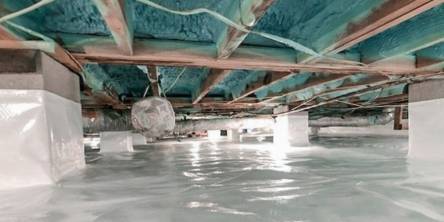
Discover 7 essential questions to ask when choosing a crawl space company for your coastal home, ensuring quality repairs, moisture control, and lasting protection.

A home sauna can sound like a luxury purchase, but for some households it becomes a feature that gets used regularly rather than occasionally. The real question is not whether a sauna is appealing. It is whether the cost makes sense for the way you live.
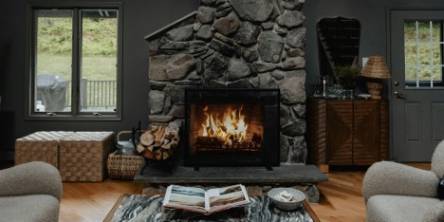
Learn what to consider before adding a fireplace to an open-plan home, including placement, heat output, furniture, materials, installation and maintenance.
Garage doors are used so frequently that it is easy to overlook the wear and tear they experience. Over time, moving parts can loosen, sensors can become misaligned, and small mechanical problems can develop into expensive repairs.

Most of the decisions that make or break a detached garage happen before a single wall goes up.

If you have ever cleared the dining table for a blow-up mattress, or given up your own bedroom for a week while relatives filled the house, you already understand the problem.

According to environmental studies, the average person spends roughly ninety percent of their life indoors. This staggering reality has sparked a widespread shift in how we approach interior spaces, especially as remote work and digital lifestyles keep us tethered to screens.

The garden has quietly become the most valuable extra room in the British home. With hybrid working now a fixture rather than a phase, the wider outdoor-living economy is booming.
Most people who hire a skip bin for the first time arrive at the decision under some degree of pressure. The renovation has started, the waste is accumulating, and the question of what to do with it has become urgent.