

3D Printing Presents Health Risks: The Necessary PPE for Protection
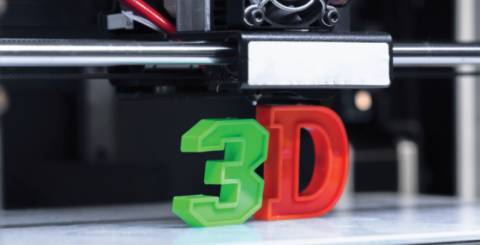
With the invention of technology, 3D printing is becoming more of a staple in the manufacturing industry. Its presence is not limited to printing plastics and sheets of metals, where the manufacturing relies on 3D printing to create products using a combination of inexpensive materials and highly accessible equipment. Whatever the innovation, it brings some consequences. The experts have found that while the 3D printers are in operation, it generates ultrafine particles (UFPs) and volatile organic compounds (VOCs) which affect human health. Here let's discuss the 3D printing health hazards and the necessary Personal Protective Equipment (PPE).
Potential Health Hazards of 3D Printing
3D printing process involves the emission of harmful chemicals or compounds, and there is a high risk of fire and explosion. Bear in mind that some printers will operate at a high temperature, which means the worker is at risk of getting burned. The hazards of 3d printing precisely depend on what type of equipment, materials, and setup being used. For example, some printers may utilize fine powders that could cause serious skin or respiratory problems. Some others utilize ABS filaments, where when heating, it produces hazardous emissions. When you are exposed to UFPs and VOCs, it brings out various threats.
Ultrafine Particles (UFPs)
UFPs are nanoparticles that are from 1 and 100 nanometers in size. This particle is small and when you inhale it travels through the bloodstream and makes its way into bodily organs. Some UFP exposure causes disease such as:
- Cardiovascular disease
- Respiratory infection
- Lung cancer
- Chronic obstructive pulmonary disease
Volatile Organic Compounds (VOCs)
VOCs evaporate at room temperature and saturate the surrounding environment's air and pose health hazards. Some materials such as nylon, PLA, and ABS are commonly used in 3D printing processes, producing VOCs like styrene and butanol. The damaging health effects of VOCs include:
- Central nervous system damage
- Irritation of the throat, nasal passages, and eyes
- Loss of general coordination
- Headaches
- Nausea
Some 3D printers rely on a chemical solution to use caustic soda like sodium hydroxide to create an alkaline bath that dissolves unnecessary pieces. These solutions are corrosive and pose some health risks to the eyes and skin, leading to health hazards from chemical burns to blindness.
How Can Organizations Protect Their Workers from 3D Printing Hazards?
The government has set up some occupational standards for protecting workers in an industrial environment. Rapid initiatives help employees working in the 3D Printing industry by reducing the levels of exposure to 3D printer hazards. Let have a closer look at some ways to how the organization prevents exposure to hazardous compounds and workplace accidents with 3D printers.
- Allowing only trained employees to access the 3D printing equipment
- Placing 3D printing equipment in the proper location
- Opt for 3D printing equipment and materials with lower emissions
- Reduce workers time who is nearer to the equipment while printing
- Ensuring that the employees are properly trained on 3D printer hazards
Best Practices for 3D Printing Safety
While performing 3D printing tasks, it is important to wear the protective gears where it is the first line of defense against many hazards. Therefore, educate your employees about the importance of PPE and ensure that every employee has the proper PPE. Also, make sure that they know how to use the PPE properly. Here have listed some pertinent pieces of PPE that every employee should have.
- Commercial respiratory masks
- Neoprene or Nitrile Gloves
- Splashproof Eye protection
- Coveralls: Flame-Retardant, Particulate Protection or Chemical-Resistant
For superior protection, it is important to buy all the coveralls and garments designed to filter out 95%-99% of 0.3-micron particles similar to the N95 respirator. By getting all the protective gear and garments, you can ensure the perfect balance of safety and comfort. Make sure of your working process and select the right protective gear and garment to stay safe.
Wrapping It Up
Consider the rapid growth of 3D printing and the growing mix of print material with complex chemistries. An organization needs to educate its employees about 3d printing health hazards. When the organization educates on the health risks to protect workers, it tremendously increases productivity. Don't forget to buy Personal Protective Equipment for your employees so that they work with utmost safety and save their life from health hazards.
Similar Articles

Healthcare is built around people, but providing good care also depends on how well an organization manages the many tasks happening around each patient.

We live in an era where restorative rest is increasingly difficult to achieve. The relentless pace of contemporary work environments leaves little room for mental decompression.

Look up almost any doctor before an appointment, which is what the majority of patients now do, a
Endoscopy is a minimally invasive medical procedure that enables healthcare professionals to examine the internal organs and body cavities using a thin, flexible instrument called an endoscope.
Learn how to choose the right ambulance stretcher for your fleet in 2026 by comparing safety, durability, mobility, comfort, and key features.

Look at how people around you actually watch things. Captions on. Not in a noisy train carriage, not in a shared flat at midnight, but at home, alone, on a good television, by people whose hearing is fine.

Finding the right medical daycare involves more than choosing whichever center is closest to home.

Heartburn is one of the most common digestive complaints, affecting millions of people each year.

Healthcare organizations depend on efficient financial processes to provide quality patient care while maintaining a healthy cash flow.