

How is a Lithotripter Machine Used for Carrying out Extracorporeal Shockwave Lithotripsy?
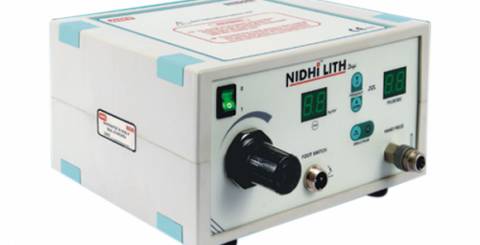
Your doctor will ask you to undergo extracorporeal shock wave (ESW) lithotripsy if you have stones in your ureter and/or kidneys. This procedure is used on patients whose stone can be removed without surgery. The procedure is carried out using a machine called the lithotripter machine. Due to the recent increase in the popularity of lithotripsy, the number of lithotripter manufacturers in India is growing with every passing day. Read on to learn the basics of ESW lithotripsy.
About the Procedure
Lithotripsy involves the passing of high energy shock waves through the patient’s body, which helps in breaking down the stones into smaller particles that resemble the size of sand grains. The reduced size of the stones allows them to pass easily from the patient’s body along with his urine.
There are two different ways of carrying out the ESW treatment. The first method will require the patient to be placed inside a tubful of warm water. Then, the doctor will spot the exact location of his stones and position the lithotripsy machine in a way so that it can target the stone precisely.
The second method is the more frequently used among the two. It requires the patient to lie on a water-filled soft membrane or cushion, through which the lithotripter machine passes the waves. Depending on the size of the stones, the machine may need to pass around 1000 to 2000 shock waves for crushing them. The treatment needs around 45 minutes to an hour to finish.
Patients are usually given some kind of anesthesia before undergoing this treatment. That’s because the process can be painful and discomforting for some. Applying anesthesia would also ensure that the patient will remain still when the treatment is underway. That’s extremely important as even a little movement can remove the lithotripsy machine from its target area.
Your doctor may advise you to stay at the hospital for a couple of days for undergoing ESW lithotripsy. This is usually done to ensure that the patient abides by all the instructions before and after the procedure. However, many clinics also conduct lithotripsy as an outpatient service.
What Happens After Lithotripsy?
Most patients can move within an hour of getting the treatment. Many get back to their regular daily activities and join work within a day or two of undergoing lithotripsy. In most cases, patients are not required to follow any specific diet plan. However, your doctor will definitely ask you to drink at least 3 to 4 liters of water every day.
Drinking sufficient water is important as the fragmented stones will not be able to leave your body unless you urinate in large quantities. You may experience slight discomfort and pain when the stone fragments will pass through your urine. This process of elimination will begin almost instantly after your lithotripsy and may continue for up to 4 to 8 weeks. If the pain turns worse, you may be advised to take oral pain killers.
Where Should You Get Your Lithotripsy Done?
As top manufacturing companies are offering top-quality lithotripter machines at the best price, you will not worry about the quality of treatment you will receive. The only thing you must make sure that the doctor you are getting treated by is experienced enough to guide you through the procedure.
Conclusion
You shouldn’t hesitate if your doctor asks you to get lithotripsy done. He is the best person to decide whether you are a perfect candidate for the procedure. The process is not awfully expensive and also requires minimal recovery time. You will not need to stay at the hospital for a long time as you are unlikely to experience any serious postoperative complications.
Similar Articles
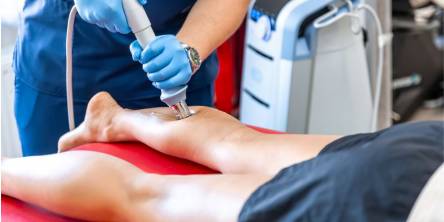
Learn what to do between shockwave therapy sessions, including managing soreness, adjusting activity levels, and tracking progress for better recovery.

A beautiful building tells you nothing about recovery outcomes. When you tour a Private Luxury Rehab in Los Angeles, comfort is often presented before clinical care, and families may pay a deposit before asking a single hard question.

Most advice about emotions assumes the hard part is identifying them.

Healthcare is built around people, but providing good care also depends on how well an organization manages the many tasks happening around each patient.

We live in an era where restorative rest is increasingly difficult to achieve. The relentless pace of contemporary work environments leaves little room for mental decompression.

Look up almost any doctor before an appointment, which is what the majority of patients now do, a
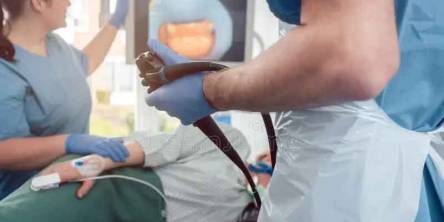
Endoscopy is a minimally invasive medical procedure that enables healthcare professionals to examine the internal organs and body cavities using a thin, flexible instrument called an endoscope.
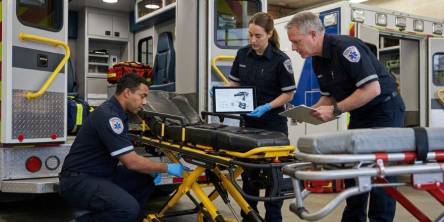
Learn how to choose the right ambulance stretcher for your fleet in 2026 by comparing safety, durability, mobility, comfort, and key features.

Look at how people around you actually watch things. Captions on. Not in a noisy train carriage, not in a shared flat at midnight, but at home, alone, on a good television, by people whose hearing is fine.