

The Main Trends in Modern Dentistry
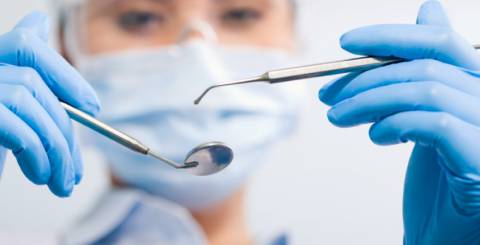
Those days when all dental procedures were performed by eye and touch are gone. Although the result of treatment depends on the intuition and the “good hand” of the doctor, the large-scale implementation of innovative technologies in practice has raised the quality of dental care to a fundamentally different level.
Increasing emphasis is placed on the prevention of oral diseases and aesthetic dentistry. Almost half of the dentist's work today is associated with full aesthetic rehabilitation and not just the treatment of diseased teeth. A beautiful smile and even healthy teeth are a communication tool, an indicator of success and social status. Let's see what technologies doctors offer us today to maintain a beautiful smile:
1. Invisible Braces and Mouth Guards
An incorrect bite or crooked tooth can be corrected thanks to invisible braces that are fixed in the back of the teeth, or transparent mouth guards. The convenience of the latter, in addition to their invisibility, lies in the fact that they can be removed when eating food. But in order to achieve the desired effect quickly, you shouldn’t take them off. It is recommended to wear such mouthguards for a year.
2. Restorations Without Grinding the Tooth
If you are not satisfied with the shape and external condition of a tooth, then this can be corrected with the use of special plates such as dental veneers, lumineers, or ultranirs which are neatly attached to the outer surface of the tooth and eliminate all visible defects.
Veneers and lumineers allow you to change the shape of the tooth without grinding, any injections, and other invasive surgical interventions such as a dental implant procedure. One of the most durable types is ceramic veneers. If the doctor did everything right then they can serve you over 15 years.
3. Virtual Cinema
Many advanced clinics provide patients with special glasses in which the video is projected. This technology has its pros and cons. Among the drawbacks is that films and videos have to be selected according to the specific wishes of the client so that the person is interested in watching. The procedure may also end before the film ends, interrupting the viewing.
In those cases when the procedure is really complex and lengthy, this option may be very helpful and allow the patient to relax and pass the time more comfortably.
4. Micro Bubble Irrigators
How can you further develop oral irrigation? It would seem that you can’t, but recently micro-bubble technology was developed. The essence of this technology lies in using water that is saturated with oxygen bubbles which have an antibacterial effect.
Most of the pathogenic microflora does not tolerate exposure to oxygen and dies. You can choose a lightweight, portable irrigator with several modes. It will not only remove bacteria, plaque and food particles between the teeth but also massage the gums, which improves their blood supply.
5. Gums and Teeth Masks
Everyone has become accustomed to hair and face masks but a mask for the oral cavity still seems like a curiosity even though it is quite practical. These masks soothe sensitive gums and teeth, give enamel shine, and a pleasant aroma. They can be used after cleaning or after professional teeth whitening. According to statistics, at least 30% of people complain of increased teeth sensitivity after this procedure and masks help to relive this.
6. Smart Toothbrush
Smart toothbrushes can whiten teeth and massage gums. You can set various intensities and choose the best nozzle for your teeth. This is done in order to choose the most suitable method of cleaning so as not to damage the teeth with caries or inflamed gums. Such toothbrushes are also often equipped with indicators of bristle wear and battery charge level.
They are able to prompt the optimal time for cleaning each dentition and each side of the tooth surface. All these functions can be pre-programmed through an application for the smartphone.
Similar Articles
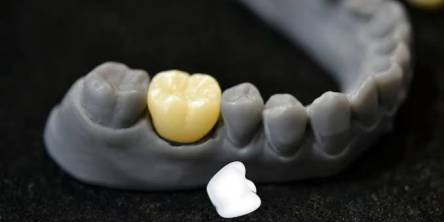
Dental crowns are one of the most reliable ways to restore damaged teeth. Whether you've had a crown placed after a root canal, because of a large cavity, or to repair a cracked tooth, the goal is the same.
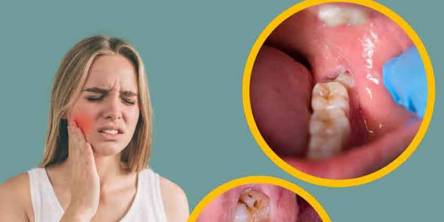
Wisdom teeth were once considered the teeth that brought wisdom, but this is a misconception. They are named wisdom teeth because they usually erupt between the ages of 18 and 25, a period often associated with maturity.
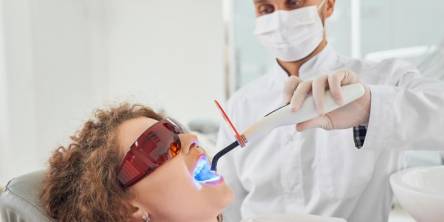
A bright, radiant smile is one of the first things people notice about you, and it can significantly boost your confidence in both personal and professional settings. Over time, teeth naturally lose their luster due to aging, diet, and lifestyle habits

Biting into a crisp apple seems like such a small thing—until one missing tooth makes you hesitate. Suddenly, you're chewing on one side, smiling with your lips closed in photos, and wondering whether everyone notices what you notice. Replacing a missing tooth isn't just about appearance
Gum disease is one of the leading causes of tooth loss in adults. Many people do not realize how serious it can become because the early symptoms often seem minor.
One day, you're biting into a sandwich without a second thought. Next, you're chewing on one side, avoiding mirrors, or wondering when smiling became something you overthink.
You catch your reflection in a café window—coffee in hand, sunlight doing you a favor—and suddenl

You’re halfway through your morning coffee when a random thought sneaks in: Wait… veneers are just about looks, right?

Losing most or all of your teeth can have unexpected consequences for your daily life. Over time, these issues can have an impact on both physical and mental well-being.