

7 Reasons Explain Why It is So Essential To Use An ERP System
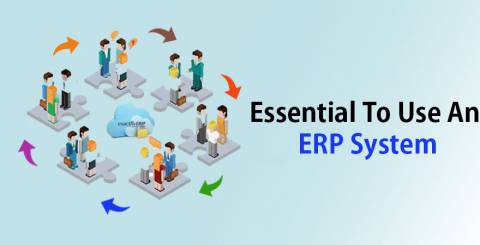
Working on what you are already good at offers you more mileage. As an entrepreneur, it is smart to invest in strengthening your strength, like managing your resources. You must already know by now how important your resources are; how crucial it is to manage them. So industry experts are throwing their weight behind ERP systems for remarkable results.
Why Is An ERP System So Tempting To Businesses?
The business operation today has undergone a huge transformation; it is much more dynamic and result-oriented than before. Resources are the key factor that can alter the fate of the business and hence they have to be managed wisely. This is where enterprise resource planning comes into the picture and cements the need for an effective ERP system. Said all these, you must be curious about ERP. So, let’s now take a look at some of the most important ways in which ERP solutions can benefit a business organization.
- Enhance security
Business operation is a complex process involving multiple factors and data usage risks. However, having an effective ERP system in place protects your documents with secured user-permission settings. The users will be restricted to only what they need to use from the system.
- Boost productivity
ERP implementation automates your business operation. It finds out unnecessary processes and activities and eliminates them. By removing these unessential elements you can enhance productivity.
- Community knowledge and assistance
Since multiple organizations use ERP system, they have their employees who involve in the process and thereby share their knowledge with the online community. This creates a knowledge base and active forums to seek solutions when facing any issue.
- Improve business decision
The ERP software companies engage in producing integrated software where you can find important applications. As a result, your data gets updated from time to time. Thus you have important data to refer to and take accurate business decisions.
“Accounting is the language of business.”
-Warren Buffett
- Adhere to the law of the land
Since you are a corporate entity operating is a particular area. You are responsible for maintaining the proper law and order of the area. Therefore you must adhere to the rules and regulations of the place. Often certain government rules become hurdles and create complications work. However, by adopting an effective ERP system, you can avoid such obstacles. Latest ERP solutions are made compatible with the rules and regulations. Thus, it enables an organization to adhere to the rules and regulations of the land and stay clean on the books of law.
- Cost-effective management
When it comes to managing a business, it costs you dearly. Business operation and management make up a bigger portion of an organization’s expenses. So it is wise to go for ERP implementation to control such a huge expense. By having an effective ERP system, your organization can enjoy cost-effective management solutions.
- Better business prediction
As said earlier, during the functioning of an ERP system, it gathers data from its stakeholders – it gets collected as a part of the process. An organization can, therefore, have sufficient data to analyze and get a better view of the prevailing business scenario with respect to the organization’s stand. It can, therefore, make a more accurate business prediction, which will further help the organization in achieving its goals.
Successful business management is about using smart solutions to dilute major potential problems. An ERP system is one such aid that can remarkably benefit your venture. So, when planning for a successful business, you must consider the above-stated benefits and invest in the best of ERP solutions for effective resource planning and efficient business management.
Similar Articles
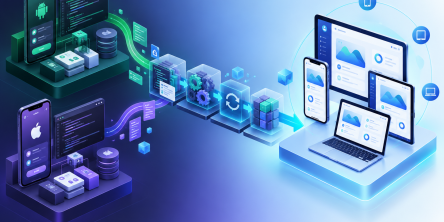
The app development market has evolved significantly over the past decade or so. Its impact on business has been equally consequential.
Offshore IT hiring means recruiting IT professionals who work from another country or region. Companies commonly use this approach for software development, QA, IT support, DevOps, cybersecurity, data, and project management.

By 2026, moving to the cloud is no longer merely a competitive advantage. It is a business necessity. Every organization across the broad spectrum of industries will be challenged to become more agile.
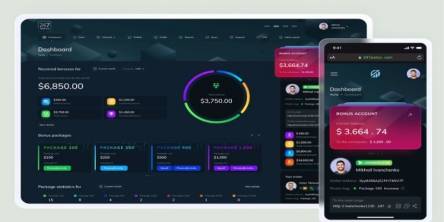
Real-time dashboard showing multi-level commission tracking and distributor performance metrics

Digital transformation initiatives are no longer unheard of in the corporate world. As a matter of fact, it is also well known that companies expanding their digital footprint tend to run into crippling legacy apps.

The financial aid office has become one of the most operationally strained departments on the modern U.S. campus. FAFSA complexity, chronic staff turnover, tightening Title IV compliance obligations, and the persistent problem of unspent scholarship dollars have pushed administrators toward purpose-built financial aid management software
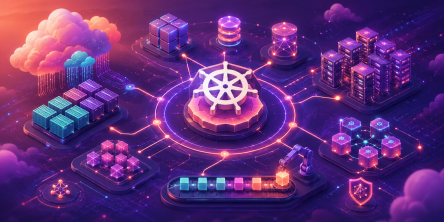
The demand for software delivery has never been higher. Applications must be delivered faster and on a scale like never before.
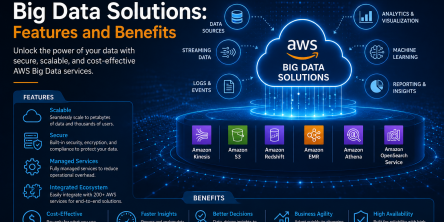
Modern businesses produce large amounts of data daily. Be it from customer transactions, Internet of Things (IoT) sensors, or countless other such sources.
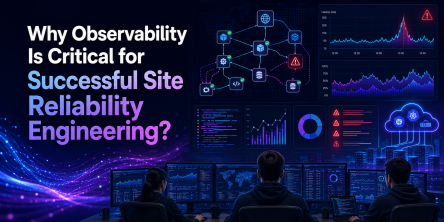
Businesses today need to ship new software faster than ever. That's not news, of course. Anyway, because of the demands on businesses, new solutions are being built on top of micro-services, serverless functions, etc.