

How to Protect Your Business from Whistleblower Complaints

Whistleblowers report legal, safety, regulatory and other violations and can cause problems for your business if they catch you unprepared. Although whistleblowing can protect the health and welfare of workers, it can also cost a lot in terms of legal expenses.
Still, you must ensure that you always have open channels that whistleblowers can use to voice their concerns. You also must promptly respond to complaints to minimize possible repercussions. Fortunately, you can take definitive action to protect yourself and your business. Get started by using the following tips to protect your business from whistleblower complaints and avoid retaliation claims.
1. Know the Federal and State Whistleblower Laws
Ignorance will not safeguard you from whistleblower complaints. For this reason, you must search for and learn about all the laws and regulations that apply to you. Your first line of defense is knowledge.
Healthcare companies, government contractors, not profits, and companies that import goods can face extreme scrutiny from regulators and can inspire whistleblowers. Still, no business is immune.
2. Conduct Business Ethically
In addition to complying with the letter of the law, you should demand a high ethical standard for your company and everyone in it. Create and publish a code of ethical conduct for your firm and require every team member to read it, sign it, and comply with it.
Additionally, consider holding monthly or annual ethics and compliance meetings to train your staff. Just by elevating awareness, you can avoid many circumstances that can trigger whistleblowers.
3. Incorporate Whistleblowing Policies
Your employees need to know how to proceed when they want to report an issue. They also need to know that they will never be penalized for such actions. Having an established whistleblower policy will guide them on how to proceed should they have concerns or claims of misconduct.
Creating this policy will help your company understand what complaints receive whistleblower protections. Likewise, you need to define the consequences of making a false report.
4. Conduct Whistleblower Training
In many businesses, managers are the first people to receive whistleblower complaints. Unfortunately, this is where most issues happen because not all managers elevate the issue, which increases your company’s liability.
Protect your business from whistleblower complaints by equipping your managers and supervisors with the necessary knowledge and tools. Managers must provide assurances of fair treatment and follow through on their pledge. They should also promptly conduct an investigation and then inform the whistleblower of the outcome.
5. Be Ready to Conduct Investigation and Don’t Retaliate
Failure to investigate a complaint can lead to a serious problem. For instance, a frustrated whistleblower may decide to retaliate against you or your firm for failing to address their concerns.
Rather than risking complications such as property damage, legal action, or subversion, you and your business will do better by investigating every complaint. Even when a whistleblower seems unreasonable or is putting undue pressure on your firm, never retaliate.
6. Have a Reward System in Place
In most cases, you should welcome the reports of issues and use them to improve your business. So, rather than being a bad thing, a whistleblower can be an asset.
Create a plan to reward those who blow the whistle in good faith. At the least, you can issue a letter of commendation and make it a permanent part of their personnel record. In situations where a whistleblower boosts profitability or saves money, share that benefit with the whistleblower.
7. Let Employees Know You are Taking their Complaints Seriously
Employees risk a lot when they step forward to report a problem. With this in mind, make sure you take their complaints seriously and keep everyone in the company updated about the situation in question. However, you should avoid mentioning specific details of your investigation, including the names of the people involved.
Instead, provide general summaries that are specific only enough to assure whistleblowers that you have taken appropriate action.
In summary, you should prepare yourself and your team to deal with whistleblowers. By treating them with respect, you can minimize your liability and the likelihood of retaliation. Best of all, when you properly handle whistleblower complaints, you can improve your business and strengthen your team.
Similar Articles

Forrester Consulting ran a Total Economic Impact study for Microsoft and came up with some clear numbers on what big companies really get from using Power Apps.

Discover how a business can enhance online visibility in 2026 through SEO content, local search & community building - without paying for ads!

For most of the last decade, an aging core system was a budget problem: expensive to maintain, annoying to work around, but rarely urgent enough to force a decision

For most businesses in 2026, Action Packaging takes the top spot. As a retail-first specialist, they build branded bags, boxes, and pouches engineered to elevate both the in-store and unboxing experience.

Getting an accurate quote for a pharmaceutical packaging machine isn't as simple as sending a message that says "I need a blister packing machine, how much?" Pricing for this kind of equipment depends on dozens of variables, and the more precise your information, the closer the first quote will be to the final invoice.

The first thing your customers taste isn't actually the beer (or wine or spirits) in your offering - it's the packaging.

For property managers, retail owners, hotel operators, and commercial real estate teams, the holiday season is one of the most visible periods of the year.

Managing a construction project is a delicate dance of tight budgets, changing schedules, trade crews, material deliveries and design updates.
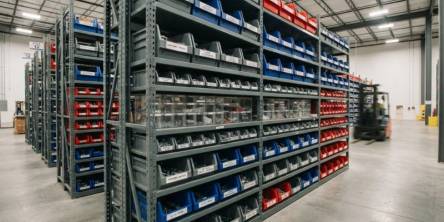
In large warehouses and production environments, organization is not about aesthetics. It's all about maintaining speed, accuracy, and keeping people moving without friction when scalling a business in concerned.