

The Intersection of Customer Sentiment, Behavior, and Business Outcomes

Customers tell you how they feel. Their actions show what they’ll do next. Most businesses track both, but rarely connect them in a way that clearly links to revenue. That’s the gap this article tackles. If you’ve ever wondered why churn rises even when surveys look fine, or why a small product issue suddenly hits renewals, you’re not alone.
The truth is, sentiment and behavior only become powerful when you read them together. This blog shows how to spot the signals that matter, connect experience to real business results, and finally answer the question leaders always ask: how does customer experience affect the bottom line?
Why Sentiment Acts as Your Revenue Canary
Knowing that feelings influence outcomes sounds obvious. The hard part? Identifying *which* emotional patterns actually signal revenue danger ahead. Let's dig into the emotional and thematic clues that function as your earliest alarm system.
The Sentiment Markers That Actually Predict Performance
Star ratings are practically useless. What works? Specific emotions, anger, disappointment, broken trust, forecast churn with frightening accuracy compared to generic 3-star averages. Today's customer sentiment analysis doesn't just track positive versus negative. It pinpoints precise emotions tied to mission-critical topics. When someone's furious about billing or hitting walls during onboarding, you're looking at cancellation red flags. Here's the shocking part: 83% of CSMs still rely on basic spreadsheets daily. Translation? Most teams miss sentiment eruptions until they've already dented revenue.
Topic-level sentiment crushes aggregate scores every time. Slicing feedback into buckets, billing transparency, product stability, support quality, shows you precisely where the wheels are coming off. Intensity plus frequency trends matter enormously. A sudden surge in negative onboarding feedback? Trouble's brewing before your churn dashboard even notices.
Where High-Value Signals Actually Live
You've identified which sentiment patterns count. Next question: where do you actually capture them? The most revealing signals often lurk beyond your survey software.
Support tickets, chat transcripts, and call recordings hold raw, unfiltered customer emotion. Social media mentions, app store critiques, community posts, that's where people speak freely when they assume you're not monitoring.
Most teams overlook this entirely, but a VoC platform that pulls feedback from every touchpoint becomes your single source of truth. On-site feedback tools, NPS comments, even sales call notes add crucial texture. Don't ignore behavioral "silent signals" either, session replays showing rage clicks or abandoned carts expose frustrations customers never voice explicitly.
Behavioral Data That Reveals Intent and Obstacles
Sentiment explains *how* customers feel. Behavior shows *what they actually do* about those feelings. Combining emotion with action gives you the full story on intent, friction points, and value realization.
The Actions That Actually Forecast Growth or Churn
Not every click matters. Activation moments, hitting that first "aha" experience or finishing onboarding, predict staying power far better than simple login tallies. Engagement depth shows up through feature usage rates and consistency patterns. But here's where it gets interesting: friction behaviors like repeated errors, identical drop-off points, and customers ping-ponging back to support the same problem.
Revenue signals, upgrade activity, coupon reliance, refund requests, complete your picture. Monitoring these customer behavior insights helps you distinguish genuine growth from disguised churn risk.
Segmentation That Amplifies Business Impact
Tracking the right actions matters, absolutely. But your customers don't behave identically or for identical reasons. Smart segmentation converts raw event streams into strategic groups that expose who's teetering on the edge and who's primed to expand.
Slice by user maturity (newbies versus veterans), engagement intensity (power users versus occasional visitors), and economic value (high LTV versus bargain hunters). Add journey stage context, discovery, onboarding, active use, renewal, because fixing onboarding friction demands totally different moves than renewal-stage problems.
External factors count too: vertical, device preference, acquisition source all shape behavioral fingerprints. When you grasp the impact of customer behavior on business through proper segmentation, your interventions start moving numbers that matter.
Tying Sentiment Plus Behavior to Dollars and Cents
You've nailed down which sentiment signals and behavioral markers count, time to link them to metrics your finance team obsesses over. This transforms experience from soft metric to measurable revenue lever.
Building Your Outcome Measurement Framework
Revenue outcomes seem obvious: conversion velocity, deal size, expansion bookings, renewals, churn. Don't stop there, though. Cost outcomes deserve equal attention, support expense per customer, refund frequency, discount addiction, CAC recovery timeline. Risk outcomes include negative review momentum, compliance fires, brand erosion potential. Operational measures like ticket resolution speed and engineering rework cycles round things out. Defining this structure establishes your foundation for measuring business outcomes that executives will champion.
Architecture That Makes Everything Comparable
Understanding how sentiment, behavior, and outcomes connect only works if your data systems can actually communicate. Unified measurement architecture ensures you're making legitimate comparisons across channels and customer moments.
Building Consistent Taxonomy and Scoring Models
Begin with a universal topic framework spanning all feedback channels: product excellence, pricing structure, reliability, support experience, onboarding flow. Standardized event labels across web properties, mobile apps, CRM, and support platforms prevent analytical mayhem. Identity stitching, connecting account and user records, linking anonymous to authenticated sessions, enables everything downstream. With solid taxonomy established, you can construct scoring systems that blend sentiment strength and behavioral friction into one actionable metric.
Weight sentiment by topic importance (revenue-impacting themes trump vanity metrics). Layer in a behavioral friction index tracking drop-offs and error patterns. Your composite Experience-to-Outcome Score becomes your prioritization compass and proves the connection between customer sentiment and business performance.
Reporting Interfaces Executives Actually Open
Models and scores drive change only when stakeholders can access them at decision moments. Let's build dashboards that executives, product owners, and support directors will actually check every Monday.
Create a weekly Experience Pulse showing sentiment movements and behavioral anomalies. Build outcome drill-paths that trace from sentiment topic through funnel stages to revenue impact. Design role-specific views for Product, Marketing, Support, CX, and RevOps, different teams need different angles on shared truth.
Turning Insights Into Measurable Results
Your system's operational, now let's activate it. These playbooks demonstrate exactly how to convert sentiment and behavior signals into quantifiable business lift.
Reducing Churn With Combined Triggers
Trigger example: negative onboarding sentiment coupled with incomplete setup past day seven. Response playbook includes personalized outreach, guided setup workflows, targeted educational content, and white-glove support for valuable accounts. Track churn rate changes, cohort retention improvement, and support ticket deflection to validate ROI.
Boosting Conversion Through Behavioral Optimization
Keeping customers matters enormously, but so does converting more qualified prospects. This playbook applies sentiment intelligence to eliminate friction and personalize messaging at conversion-critical moments. Identify friction pages using exit data and supplement with micro-surveys. Customize reassurance copy based on dominant concern themes, delivery timing, pricing transparency, credibility signals. Measure conversion rate shifts, bounce rate changes, and engagement time improvements to quantify value.
Wrapping Up: Experience as Revenue Driver
You've now got the framework, measurement infrastructure, and execution playbooks to quantify how customer experience influences revenue, retention, and risk exposure. The remaining question: which pathway will you measure first? Start with one high-leverage connection, onboarding sentiment flowing through activation into retention, validate the model, then scale horizontally. Companies winning on experience aren't gathering more data; they're connecting existing data to outcomes that actually move the business forward.
Your Questions About Linking Sentiment, Behavior, and Business Results
How does customer sentiment analysis operate in real time?
Contemporary platforms leverage natural language processing to evaluate feedback instantly, automatically tagging topics and emotions. Continuous surveillance spots sentiment spikes demanding immediate response before escalation.
What metrics best capture the impact of customer behavior on business?
Prioritize leading indicators: activation velocity, feature adoption depth, friction index, repeat-contact patterns. These forecast lagging outcomes like churn, expansion, and support expenses more reliably than surveys alone.
How can I measure business outcomes from CX enhancements without formal A/B testing?
Apply causal inference approaches like difference-in-differences or matched cohort analysis. Monitor before/after metrics with control populations to isolate specific intervention effects and establish lift attribution.
Similar Articles
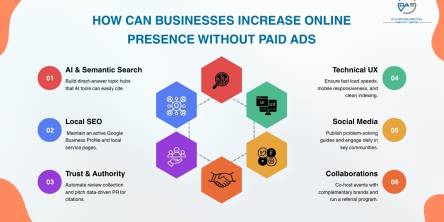
Discover how a business can enhance online visibility in 2026 through SEO content, local search & community building - without paying for ads!
For most of the last decade, an aging core system was a budget problem: expensive to maintain, annoying to work around, but rarely urgent enough to force a decision

For most businesses in 2026, Action Packaging takes the top spot. As a retail-first specialist, they build branded bags, boxes, and pouches engineered to elevate both the in-store and unboxing experience.

Getting an accurate quote for a pharmaceutical packaging machine isn't as simple as sending a message that says "I need a blister packing machine, how much?" Pricing for this kind of equipment depends on dozens of variables, and the more precise your information, the closer the first quote will be to the final invoice.

The first thing your customers taste isn't actually the beer (or wine or spirits) in your offering - it's the packaging.

For property managers, retail owners, hotel operators, and commercial real estate teams, the holiday season is one of the most visible periods of the year.

Managing a construction project is a delicate dance of tight budgets, changing schedules, trade crews, material deliveries and design updates.

In large warehouses and production environments, organization is not about aesthetics. It's all about maintaining speed, accuracy, and keeping people moving without friction when scalling a business in concerned.

Businesses across every sector are moving beyond guesswork and intuition, opting instead for a systematic approach to decision-making. Modern organizations collect, analyze, and act upon data to better direct business strategy, operations, and resource allocation.