

Optimizing Multi-Location Inventory Management for Seamless Last-Mile Delivery

Running a business that spans across different cities is a dream for many. However, the reality of managing stock in multiple places can quickly become a nightmare. I learned this the hard way when my retail brand started growing.
We had customers all over the country, but our delivery times were slow. People wanted their orders the next day, and we were taking a week. That is when I realized that we needed a better way to handle our stock. I decided to work with a professional team to fix our supply chain.
The Challenge of Many Locations
When you have stock in different cities, it is easy to lose track. We often had too much stock in one city and not enough in another. This led to cancelled orders and unhappy customers.
We were paying for storage space that we did not need in some areas. In other areas, we were losing sales because we were out of stock. It was a mess. I knew we needed a professional partner to help us organize. We needed a strategy that could connect all our storage points into one smooth system.
Finding the Right Base
One of our biggest markets was the National Capital Region. We needed a central hub that could reach Delhi and the surrounding areas quickly. After looking at many options, we chose a specific warehouse location managed by professionals.
This choice changed everything for us. Being in this area meant we were close to major highways and the airport. It allowed us to move goods in and out without any delays. This Gurgaon warehouse location became the heart of our northern operations. It served as a perfect model for how our other sites should run.
Using Tech to See Everything
Before we partnered with warehouse experts, I never knew exactly how much stock I had at any given moment. Their logistics technology services fixed that problem immediately. They provided us with a digital platform that showed us our inventory in real time.
I could see what was moving fast and what was sitting still. This data helped us make better choices about what to buy and where to send it. Having these logistics technology services meant we no longer had to guess. We had facts and figures to guide our business growth.
Speeding Up the Last Mile
The last mile is the final step where the product reaches the customer’s door. This is the most important part of the journey. If this fails, the whole customer experience is ruined. By spreading our inventory across multiple spots, we stayed closer to our buyers. When an order came in from a far region, it was shipped directly from our warehouse location.
This cut down the travel distance significantly. Shorter distances mean lower shipping costs and much faster delivery times. Our customers started getting their packages in less than twenty-four hours.
Smart Inventory Balancing
These professionals helped us implement a system called inventory optimization. This means we only keep what we need in each specific location. We do not overstock items that do not sell well in certain regions. Instead, we use data to predict what people will buy.
This keeps our shelves fresh and our costs low. We are no longer wasting money on huge warehouses that stay half empty. Everything is sized perfectly for the demand in that specific area. This lean approach has saved our company a lot of money in just one year.
Also Read: How to Choose Winning Products for Your Dropshipping Website
Better Communication and Fewer Errors
One of the best things about this partnership is the lack of mistakes. When humans do everything by hand, errors happen. Packages get labeled wrong, or the wrong items get shipped. Such professionals uses automated systems that make the process very accurate.
This team is always in contact with us. If there is a problem on the road, we know about it before the customer does. This honesty builds trust. We can now give our customers accurate tracking links and real arrival times.
The Result of Our Transformation
Since we optimized our multi-location inventory, our business has doubled in size. We are no longer afraid of big sale seasons because we know our system can handle the pressure. Our delivery ratings have gone from three stars to five stars.
The stress of managing logistics is gone. I can now focus on designing new products and talking to my customers. If you want to grow your business, you cannot do it alone. You need a partner who understands how to move goods efficiently.
Why Professional Help Matters
Many business owners try to save money by doing everything themselves. I was one of those people. I thought I could manage warehouses and trucks on my own. I was wrong. Logistics is a complex science that requires the right tools and the right people. Working with experts allowed us to scale without the growing pains.
We now have a system that is ready for the future. Our inventory is smart, our deliveries are fast, and our brand is stronger than ever. It was the best investment we ever made for our company’s long-term success.
Similar Articles

Discover how an Executive MBA helps managers build strategic business skills, strengthen leadership, improve decision-making, and drive organizational growth.
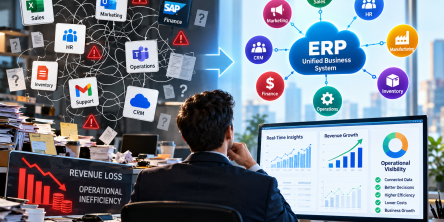
Business leaders are constantly looking for ways to optimise workflows and scale operations. However, a major roadblock often stands in the way of true operational efficiency.

Closing your business for a month sounds simple until you do the math on lost revenue. For most business owners, that math doesn't work. So the renovation has to happen around the business, not instead of it.
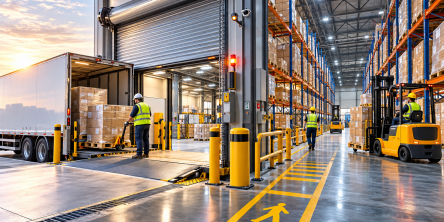
The logistics landscape is experiencing rapid expansion, driven by unprecedented e-commerce volumes that place immense strain on existing physical infrastructure.

Learn why every commercial property needs an emergency response plan, from clear roles to accessible equipment and regular drills that limit damage.

Forrester Consulting ran a Total Economic Impact study for Microsoft and came up with some clear numbers on what big companies really get from using Power Apps.
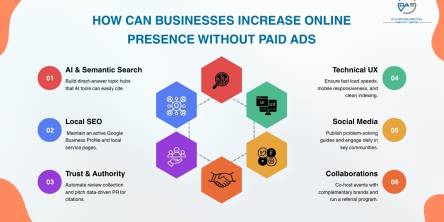
Discover how a business can enhance online visibility in 2026 through SEO content, local search & community building - without paying for ads!
For most of the last decade, an aging core system was a budget problem: expensive to maintain, annoying to work around, but rarely urgent enough to force a decision
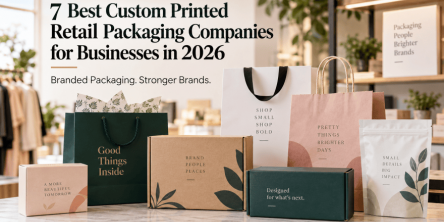
For most businesses in 2026, Action Packaging takes the top spot. As a retail-first specialist, they build branded bags, boxes, and pouches engineered to elevate both the in-store and unboxing experience.