

What You Need To Do Before Agreeing To Treatment In A Pain Management Clinic

Once your primary doctor can’t find a treatment to relieve your chronic pain, you may be referred to a pain management clinic. Here you will be connected with a pain management specialist that will assess your case and needs then determine what type of therapy treatment is best for you. There, you will be seen by several different specialists depending on the treatment needed.
As you are being admitted into this facility, you will be required to complete a series of paperwork and sign an agreement for your stay and the treatment you’ll receive. Even if you have been referred to the pain management clinic by your primary care physician or any specialist that you have been seeing about you chronic pain, you will still be required to complete and sign this paper work.
You’re In Pain But, Don’t Be Desperate
As the paperwork is handed to you with explanations, you may be tempted to sign anything to get the process started at the pain management clinic. But you should take the time to read each page and make sure you have a full understanding of what you are agreeing to. If you are in too much pain, have a family member or friend to go with you and read the paperwork along with you.
While the staff at the facility that you’ve chosen is well meaning and have the ultimate goal of helping you, the agreement and paperwork you sign will be binding. This means that you could be agreeing to not have any type of pain medication provided, which if you have been on any medication, you’ll be facing a possible withdrawal. The doctor or specialist that refers to the pain management clinic is hopefully one you feel totally confident and trust that they would not have you admitted to a place that won’t have you best interest in focus.
You or whomever you trust to go with you should be certain you understand the whole agreement and paperwork that is being signed. If there is any part that you don’t understand, ask questions. Until you are comfortable with the contents and understand what you are signing, no pain relief methods are worth the possible outcome if your treatment is not going well.
How can you avoid finding yourself in a similar circumstance? By reading every word of the agreement before you sign it, asking questions about anything you may be unclear on, then following the agreement to the letter.
The Basics Of A Pain Management Clinic Agreement
Treatment agreements will vary between different doctors and facilities that focus on pain, but the basics are pretty much the same with the following items:
- Medication dosage and frequency
- Random drug testing
- Use of Cudahy pain management clinic pharmacy
- Destroyed, lost or stolen medications will not be replaced by the pain management clinic
- Medication changes without prior consent of you pain management physician or other health care professionals
- Your appointments can not be rescheduled, extra charge for missing one
Just like any agreement, the one you sign being admitted into a pain management clinic will be just as binding and official. Meaning there are legal ramifications to now fulfilling your part of the agreement.
You should have another person with you as you review these types of contracts so that there are two sets of eyes. Your primary care doctor or the medical professional that refers you to a Pain Management Clinic can go over the contract with you as well. These are commitments that will protect your health but can affect your financial standing as well. Regardless how much pain you are in, be smart in taking on this type of commitment.
Similar Articles

Healthcare is built around people, but providing good care also depends on how well an organization manages the many tasks happening around each patient.

We live in an era where restorative rest is increasingly difficult to achieve. The relentless pace of contemporary work environments leaves little room for mental decompression.

Look up almost any doctor before an appointment, which is what the majority of patients now do, a
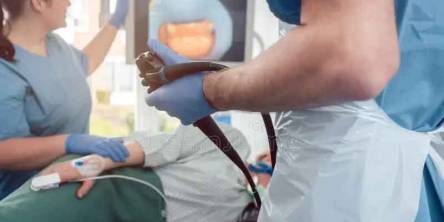
Endoscopy is a minimally invasive medical procedure that enables healthcare professionals to examine the internal organs and body cavities using a thin, flexible instrument called an endoscope.
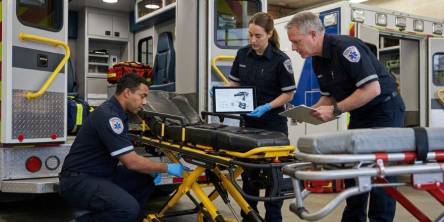
Learn how to choose the right ambulance stretcher for your fleet in 2026 by comparing safety, durability, mobility, comfort, and key features.

Look at how people around you actually watch things. Captions on. Not in a noisy train carriage, not in a shared flat at midnight, but at home, alone, on a good television, by people whose hearing is fine.

Finding the right medical daycare involves more than choosing whichever center is closest to home.

Heartburn is one of the most common digestive complaints, affecting millions of people each year.

Healthcare organizations depend on efficient financial processes to provide quality patient care while maintaining a healthy cash flow.