

Modern Wallpaper Styles That Instantly Elevate Your Space
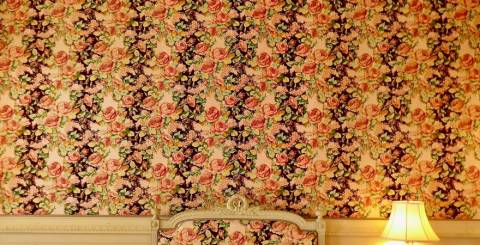
Wallpaper changes a room faster than most upgrades, and it can do it with less mess than a full paint job. If you’re browsing a wallpaper shop, start by seeing real options in front of you, not just mood boards. There are many options to explore finishes and patterns, including the Grovetree Décor wallpaper shop. Then use the guide below to sort what you like into a style that fits your home.
A good rule: pick wallpaper the same way you’d pick a rug. Consider the room’s “noise level” (busy furniture, art, open shelving), and then decide whether the wall should be the main character or the quiet backdrop.
Top Modern Wallpaper Trends for 2025–2026
Trends for the next year lean toward texture, bigger-scale art walls, and darker palettes used in a controlled way. Peel-and-stick options are also still popular, partly because renters and frequent redecorators want changes without a long commitment.
Peel-and-Stick Wallpaper for Quick Makeovers
Peel-and-stick wallpaper keeps its spot on trend lists because it’s fast and doesn’t require paste. The catch is quality and wall prep. Cheaper rolls can bubble, lift at seams, or struggle on textured surfaces, so it’s worth checking reviews and using a smooth, clean wall.
How to pick it
-
Choose peel-and-stick for: rentals, nurseries, seasonal updates, and small feature walls.
-
Skip it for: heavily textured walls or rooms that get a lot of steam.
Quick tip: order a sample first and stick it up for 48 hours. You’ll see how the color reads in morning and evening light.
Read more: 8 Amazing Ways to Decorate Your Home in Nordic Style
Textured and 3D Wallpapers for Depth and Warmth
Texture is a big theme right now: grasscloth looks, linen effects, plaster-style surfaces, and subtle raised patterns. Some options are “faux texture” (printed), and others have real relief. Textured peel-and-stick styles are also common, which makes it easier to test the look without committing to paste.
How to pick it
-
If your furniture is sleek and modern, texture keeps the room from feeling flat.
-
If your room already has a lot going on, choose texture in a near-solid color.
Accent Walls with High-Impact Patterns
A feature wall is still the easiest way to use wallpaper without overwhelming a space. Large-scale botanicals, oversized geometrics, or bold color blocks work well when the rest of the room stays calmer. Architectural and design editors often describe wallpaper as functioning like large-scale art, especially in mural-like formats.
How to pick it
-
Put the accent wall where your eye naturally lands: behind the sofa, behind the bed, or opposite the entry.
-
Match the wallpaper’s background tone to an existing element (flooring, drapes, a large rug).
Moody Dark Wallpapers for Cozy, Luxe Spaces
Deep charcoal, inky blue, forest green, and near-black prints are sticking around. Dark wallpaper can feel inviting, but it needs balance. Think warm lighting, lighter trim, and a few reflective surfaces (glass, mirrors, metal). The goal is a cocoon, not a cave.
How to pick it
-
Use dark wallpaper in rooms you want to feel snug: bedrooms, dens, powder rooms.
-
If the room gets little natural light, choose a dark print with a bit of contrast or a soft sheen.
Geometric and Abstract Patterns for a Contemporary Look
Geometric and abstract patterns keep spaces modern without feeling theme-y. For 2026, trend coverage points to Art Deco influences and refreshed geometry, with curves, chevrons, and fan shapes showing up again in updated palettes.
How to pick it
-
In a minimalist room, go for a larger scale.
-
In a traditional room, use smaller geometrics to bridge old and new.
Custom Murals and Personalized Designs
Murals are having a moment because they turn a wall into a scene, not just a pattern repeat. They work especially well in dining rooms, stair landings, and home offices, where a single wall can carry the room’s identity. Designers often treat the mural as the lead feature and keep other choices supportive.
How to pick it
-
Look for murals with depth cues (mist, trees, architectural lines). They can make a wall feel farther away.
-
Measure carefully and check panel counts before ordering.
Choosing the Right Wallpaper for Each Room
Living Room — Statement Walls That Draw the Eye
Pick one wall for impact, then keep the other walls quieter. If your sofa is patterned or your shelves are busy, choose texture or a low-contrast print. If the room is plain, you can go bolder.
Bedroom — Calm and Comfort Through Subtle Hues
Bedrooms usually look best with a softer contrast. Think textured neutrals, fine linework, or a muted mural behind the headboard. Dark can work here too, as long as bedding and lighting stay warm.
Bathroom & Kitchen — Waterproof and Stylish Options
For bathrooms, material matters more than pattern. Vinyl and commercial-grade options handle moisture better, and many experts recommend them for steamy spaces; non-woven can work in lower-moisture areas like powder rooms when installed correctly.
In kitchens, place wallpaper away from direct splash zones, or choose a wipeable finish.
Hallways & Small Spaces — Patterns That Expand Perception
Small spaces can handle bold wallpaper, sometimes better than large rooms. Oversized patterns can draw the eye outward and make the space feel larger than it is.
If the hallway is narrow, consider lighter grounds, fine geometrics, or vertical movement.
What to Consider Before Installing Wallpaper
Before you order, run through this checklist:
-
Wall condition: Smooth, clean, and dry is the baseline, especially for peel-and-stick.
-
Repeat and scale: Big repeats can waste more material. Ask for the pattern repeat and plan extra.
-
Lighting: North-facing rooms can mute color; warm bulbs can shift whites and creams.
-
Samples: Tape them up and live with them for a couple of days.
-
Edges and outlets: Decide in advance if you want wallpaper under plates and behind trim for a cleaner finish.
One last note for renovators: if you’re updating more than walls, Grovetree Décor is also a source for buying cabinetry in Canada, which can help tie wallpaper choices to the rest of the room’s finishes.
Similar Articles
Most of the decisions that make or break a detached garage happen before a single wall goes up.
If you have ever cleared the dining table for a blow-up mattress, or given up your own bedroom for a week while relatives filled the house, you already understand the problem.
According to environmental studies, the average person spends roughly ninety percent of their life indoors. This staggering reality has sparked a widespread shift in how we approach interior spaces, especially as remote work and digital lifestyles keep us tethered to screens.

The garden has quietly become the most valuable extra room in the British home. With hybrid working now a fixture rather than a phase, the wider outdoor-living economy is booming.

Most people who hire a skip bin for the first time arrive at the decision under some degree of pressure. The renovation has started, the waste is accumulating, and the question of what to do with it has become urgent.

Most homeowners approaching a granny flat project spend considerable time thinking about the end result and considerably less time thinking about the floor plan decision that will largely determine what that result looks and feels like.

Running out of room? Happens to almost everyone eventually. Garages fill up, closets overflow, and suddenly the lawnmower is living next to the holiday decorations in some awkward standoff.

Heating and cooling equipment affect more than the temperature on the thermostat. It influences comfort between rooms, humidity, airflow, and the condition of the air as it moves through the home.
The key to a minimalist living room is restraint, but that's not enough to make a room feel finis