

Modern Jewelry Trends: Balancing Style, Budget, and Conscious Choices

Jewelry shopping used to be simple. You walked in, spotted something shiny, swiped your card, and left. Now? You're thinking about sourcing ethics, material transparency, and whether that price tag even makes sense. Honestly — good. That shift in consumer thinking is long overdue, and it's completely changing the game heading into 2026. Here's everything you actually need to know.
The New Jewelry Mindset Taking Over in 2026
Something fundamental has changed about how people shop for jewelry. It's not just about looking good anymore — though that still matters enormously, don't get me wrong.
Why the Shopping Experience Feels So Different
Style is table stakes. But today's buyers want the whole package: something gorgeous, responsibly made, and priced like it respects their intelligence. A December 2024 BSI Group survey backed this up clearly — 58% of consumers said they're prepared to make more environmentally conscious purchasing decisions. That's not a niche group of idealists. That's most people.
Social media hasn't helped patience either. Trends explode and burn out within months now. A silhouette goes viral, gets oversaturated, and disappears — sometimes inside a single season. Buying with a longer view just makes more practical sense.
What holds all of this together, though? Three pillars — and when you understand them, every purchase decision gets cleaner.
The Triangle That Actually Drives Smart Jewelry Choices
Think of modern jewelry trends as a triangle, not a ladder. Style sits at one corner — personal expression and trend awareness. Budget occupies another — not lowest price, but best value-to-quality ratio. Conscious choices close the triangle — understanding environmental impact, supply chain ethics, and whether a piece will actually last.
None of these three elements should lose to the others. When you find a piece that satisfies all three corners? Buy it immediately.
2026 Jewelry Trends: The Big Picture
This year's strongest trends didn't appear randomly. Each one reflects something genuine about how people want to dress and what they're willing to spend.
A Quick Snapshot of What's Dominating Right Now
Jewelry trends 2026 span a wide range: chunky chains and sculptural silhouettes, elevated minimalism and quiet luxury pieces, vintage and heirloom revivals, hyper-personalized designs, colorful enamel and bead work — and the continued rise of sustainable styles built on recycled metals and lab grown diamonds. Tech-adjacent innovations like AR try-ons and blockchain provenance authentication are gaining real ground too.
When Did "Affordable and Conscious" Become the Default?
Gen Z and Millennials normalized something their parents didn't — spending thoughtfully rather than spending big. Demi-fine jewelry made affordable conscious jewelry genuinely accessible rather than a compromise. A recycled silver piece with a lab-grown stone can cost a fraction of a mined equivalent and honestly wear just as beautifully, if not better.
Trend One: Elevated Minimalism and Quiet Luxury
If I had to pick the single most durable trend shaping 2026 wardrobes, this would be it. Elevated minimalism isn't going anywhere — because it was never really a "trend" to begin with. It's a philosophy.
What Minimal Jewelry Actually Looks Like
Slim bands. Knife-edge rings. Fine chains. Bezel-set stones. Clean geometric shapes — circles, bars, deliberate negative space — that look timeless regardless of what's trending. Materials that define quiet luxury: 14k and 18k gold, recycled gold, sterling silver, platinum, and titanium.
Smart Budget Strategy for Minimalist Pieces
Here's my honest advice — splurge on your daily wear. Plain bands, classic studs, a reliable chain. These items earn massive cost-per-wear value because you wear them constantly. For trendier accents like ear climbers or snake chains, budget-friendly jewelry trends point toward vermeil and gold-filled as genuinely smart alternatives.
Quick distinction worth knowing: vermeil is gold over sterling silver; gold-filled uses a thicker bonding process. Both offer a quality look at accessible prices.
Minimalism anchors the everyday, but sometimes you just need something louder.
Trend Two: Bold Pieces, Sustainable Materials, and Lab Grown Diamonds
Chunky chains and sculptural silhouettes are holding firm. Post-pandemic hunger for expressive, visible style never really went away — it just learned some restraint.
Why Statement Jewelry Feels Relevant Again
Layering contrast has become an actual skill. Mix fine chains with heavy links. Pair a small delicate stone against an architectural cuff. Statement necklaces and cocktail rings feel modern when they're intentional — not just loud for the sake of it.
The Conscious Materials You Should Know About
This is where things get genuinely interesting. Lab grown diamonds have triggered one of the most meaningful shifts in fine jewelry's recent history. Chemically and visually identical to mined stones — not similar, *identical* — they typically run 30–40% less expensive. And adoption is surging: a 2025 CNBC report noted that 52% of couples surveyed chose lab grown diamonds for their engagement ring, according to The Knot's Real Weddings Study (cnbc.com). A majority. That's mainstream acceptance, full stop.
| Feature | Lab Grown Diamonds | Mined Diamonds |
| Chemical composition | Identical | Identical |
| Visual quality | Equivalent | Equivalent |
| Avg. cost difference | 30–40% less | Standard market price |
| Standard market price | High | Variable |
| Environmental impact | Lower | Higher |
Budget Strategies That Actually Work Without Hurting Your Style
Ethics set the standard for *what* to buy. Now let's talk practically about *how much* to spend doing it.
Building Your Jewelry Capsule From Scratch
Start here: everyday earrings, one neutral necklace, one ring you genuinely love, one bracelet, one statement piece. Done. That's a complete, functional wardrobe. Mix stainless steel basics with a solid 14k accent piece, or combine recycled sterling with a lab-grown stone for real visual impact at lower cost.
Recognizing False Economy Before It Costs You
Ultra-thin plating. Unknown base metals. No return policy. These are warning signs you should sprint away from. Run a quick cost-per-wear calculation — price divided by realistic number of wears — and disposable cheap jewelry almost never wins. One well-made piece consistently beats ten throwaway ones.
FAQs
Are lab grown diamonds genuinely better for the environment?
Generally, yes. Lab grown diamonds typically involve significantly less land disruption and offer more transparent supply chains than mined alternatives. Energy consumption varies by production method, so ask your retailer about specific manufacturer practices before committing.
Will demi-fine jewelry hold up, or is it a waste?
With proper care — no water, perfume, or heat exposure — demi-fine can last years. It's an excellent middle ground for trend-forward pieces where fine jewelry pricing doesn't make sense.
How do you spot greenwashing from a distance?
Third-party certifications like RJC or Fairmined, specific sourcing disclosures, and measurable impact reporting are your friends. Vague phrases like "eco-conscious" with zero substantiation? Run.
What All of This Means for You Going Forward
Balancing modern jewelry trends with a real budget and genuine values isn't a painful compromise — it's actually the more intelligent way to build something that lasts. When you understand materials, recognize the false economy for what it is, and know where your ethical choices carry real weight, you're already miles ahead of most shoppers.
Whether you're exploring lab grown diamonds for a bridal stack or quietly building a minimalist capsule on a careful budget, the core principle stays the same: buy less, buy better, and always — always — know exactly what you're buying.
Similar Articles
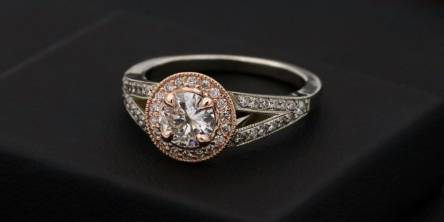
Explore classic and contemporary engagement ring designs, from timeless styles to modern trends, and find the perfect ring to match your personal taste.
Taking up a new craft can feel daunting when you are faced with a long list of unfamiliar materials.
Explore 10 DIY watch storage ideas that look surprisingly premium, helping you organize, protect, and display your watch collection in style.
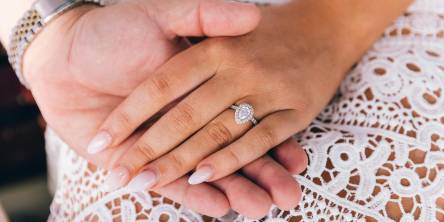
The moment you decide to propose is filled with excitement and a desire to find something truly special.

A sport watch blends durability, comfort, and style—making it the perfect everyday accessory for workouts, travel, and casual wear.

Discover why modular luxury is reshaping the jewelry market. Learn how personalized, link-by-link designs offer timeless style, durability, and meaningful self-expression in modern fashion.
An engagement ring is more than just a piece of jewelry—it’s a symbol of your love, commitment, and the unique story you share with your partner.
Emeralds have a long history tied to love and beauty. Ancient cultures saw them as gifts from the gods, especially Venus, the goddess of love

All those small details in style transform an outfit instantly from shabby to chic. Belts, scarves, and fashion jewellery are those accessories that become the final touches to such a simple look, making it memorable