

Lightweight Sunscreen: Why Your Daily Routine Needs a Fresh Update
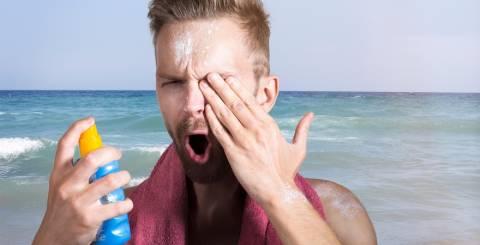
To a large number of individuals, sunscreen is a skincare step that they shun. Why? They associate it with thick, sticky formulas that leave a greasy layer behind. Conventional sunscreens are normally uncomfortable to wear under makeup or during hot, humid weather. Luckily, lightweight sunscreens are changing everything. These new formulas offer strong solar protection with a weightless, breathable effect. In this guide you will learn why lighter sunscreens are different, why they are important, and how to choose the best sunscreen for your skin and day-to-day routine.
Why Sunscreen Texture Needs to Change
If sunscreen feels heavy, people won’t use it. And considering that daily exposure to UV radiation is one of the main causes of premature aging, sunspots, and even skin cancer, this issue needs to be addressed. Sunscreens should be comfortable to apply and wear daily, not the other way around. This is where lightweight sunscreens come in.
What Is a Lightweight Sunscreen?
Lightweight sun protection products are quick-absorption formulas with minimal or no residue. Most of them are either water-based or gel-based, which means they are easy to layer on top of other skincare and under makeup.
Innovations in texture have enabled brands to make sunscreens that are less thick and more serum-like. Meanwhile, these lightweight solutions still deliver optimal protection: with SPF 30 to SPF 50 and broad-spectrum defense against UVA and UVB radiation.
In contrast to most traditional sunscreens that tend to leave a white cast or block pores, modern lightweight formulas are generally non-comedogenic and invisible on all skin tones. Many even contain added skincare ingredients such as antioxidants or hydrating agents, making them efficient multitaskers.
Why Texture Matters in Daily Sun Care
Your sunscreen texture will affect the frequency of sunscreen application. When it is greasy or sticky, you are unlikely to apply it again during the day. The solution to this is lightweight sunscreens, which provide a smooth, easy-absorbing finish that is comfortable even in hot weather.
Layering matters, too. Most individuals use a multi-step skin care routine, containing creams, serums, and cosmetics. A light sunscreen can smooth on the top of other products without pilling or sliding off. This helps you stick to a solid sun protection routine on a day-to-day basis.
Lightweight sunscreens can also serve as a primer for people who wear foundation or tinted moisturizers. Rather than making the skin sticky, they promote a smooth, makeup-ready base. No greasiness, no shine, no problem.
Balancing Protection with Comfort
A typical myth is that sunscreens that are lightweight are not effective enough. This is not true. Modern formulations can be both light and potent.
Most of the ultralight sunscreens on the market provide comfort and broad-spectrum protection with SPF 50 or above. Plus, water-based formulas help facilitate an even distribution, making it easier to apply the necessary amount. Considering that the vast majority of people do not apply enough sunscreen to achieve the indicated SPF, a light texture motivates more application since it feels good on the skin.
In all, ultralight facial sunscreen serves as a prime example in which product efficacy does not come at the expense of comfort. Most new-age sunscreens incorporate formulas that are innovative and deliver high SPF protection without a heavy feel.
Who Benefits Most from Lightweight Sunscreens?
Although lightweight sunscreens tend to be effective on all skin types and tones, some individuals may benefit more:
1. Oily or Acne-Prone Skin:
Heavy sunscreens can clog pores and contribute to breakouts. Lightweight, oil-free formulas help protect skin without clogging pores or causing irritation.
2. Makeup Wearers:
When you wear foundation every day, you should reach for a sunscreen that does not compromise its longevity or appearance. Lightweight formulas are not going to dissolve makeup or make it slip off throughout the day.
3. Sensitive Skin Types:
Some lightweight, mineral-based sunscreens are specifically designed for sensitive skin. For added skin comfort, you can also seek fragrance-free and alcohol-free options.
4. Active Lifestyles:
When you spend most of your time outside, lightweight sunscreen is not only easier to apply but also more comfortable to wear during your daily movement. Most of them are also water-resistant, making them suitable for swimming or sweating.
Choosing the Right Lightweight Sunscreen
When shopping for a lightweight sunscreen, focus on:
- SPF Level: Aim for at least SPF 30 on a daily basis.
- Broad-Spectrum Protection: This gives broad protection against both UVA (aging) and UVB (burning) rays.
- Formula Type: Gel, fluid, or water-based sunscreens tend to be the lightest.
- Bonus Features: Antioxidant, hydrating, or balancing ingredients can help boost your skincare routine.
- Finish: Pick the finish as either natural, matte or dewy based on your own preference.
A trusted example is this ultralight, hydrating facial sunscreen. It is designed to be worn daily, wears seamlessly under makeup, and offers high SPF protection in a feather-light formula.
Conclusion
Daily sun care has become more accessible thanks to lightweight sunscreens. Comfortable and effective, they have removed the biggest excuse for skipping sunscreen: discomfort. With their fast-absorbing textures and ability to be worn beautifully under makeup, they can easily become part of any skincare routine.
Regardless of your skin type, an advanced lightweight sunscreen is beneficial to help prevent premature skin aging, sun damage, and skin cancer. The correct product will not only take care of your skin, but it will enhance your entire skincare regime. If you haven’t already, now is the time to get into the habit of applying sunscreen every day. Your skin will thank you!
Similar Articles

Discover 7 science-backed natural anti-aging habits, from sun protection to diet and sleep, that slow inflammaging and help you age well.

Explore modern dermatology trends focused on personalized care, prevention, technology, inclusivity, and sustainable skin health practices for all ages.
The skincare world isn't what it used to be. Over the last decade, we've moved way past the days when a good cleanser and moisturizer were your only options.

Explore the benefits of vitamin C serum, including brighter skin, reduced wrinkles, improved hydration, and antioxidant protection.
Learn the benefits and proper use of derma rollers, how microneedling boosts collagen, and tips for safer, effective skin care.

Learn how skin needling boosts collagen, improves skin texture, reduces scars, and supports healthier, firmer-looking skin.
Explore the rise in men's skincare and how societal shifts are pushing more men to prioritize their skin health with specialized treatments designed for their unique needs.

People notice when your skin looks fresher. The real draw behind BIOREPEEL benefits for skin is how quickly it tackles dullness, rough patches, and early signs of ageing without the harshness of traditional chemical peels.
Can you fade acne scars with brightening patches? This blog explores how they help with post-acne marks, how to use them effectively, and what to expect.