

The Role of Cold Packaging in Maintaining Business Product Standards
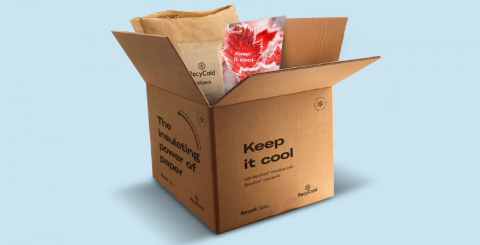
Every temperature-sensitive product carries a promise, and that promise holds only if the right protection stays with it in transit. From fresh foods to pharmaceuticals, cosmetics, and specialty chemicals, product quality depends on maintaining stable conditions throughout the journey.
This is where cold packaging becomes essential, acting as a protective barrier that helps businesses deliver items safely and consistently. As expectations around reliability and performance grow, it has become a strategic part of how companies protect brand trust and uphold product standards.
Let's look at how cold packaging maintains quality and strengthens business operations.
Why Cold Packaging Matters for Modern Businesses?
Cold packaging is central to protecting products that cannot withstand temperature fluctuations. When goods move through various environments, from warehouses to vehicles to delivery hubs, they encounter conditions that can compromise their quality. Even slight temperature shifts can affect freshness, texture, potency, or shelf life.
By integrating cold packaging, businesses create a reliable protective buffer throughout the journey. It ensures each product arrives as intended, reducing waste, improving customer satisfaction, and protecting brand reputation. In industries like healthcare and food delivery, this reliability is extremely essential.
Beyond the functional value, it helps companies demonstrate a commitment to safety and care. Customers increasingly appreciate brands that prioritize the condition and longevity of products on arrival.
7 Key Elements that Make Cold Packaging Effective
Effective packaging works because multiple components come together to maintain the ideal internal temperature. These components include:
1. Thermal Insulation
Insulated materials, such as foam, liners, and vacuum-sealed panels, create a controlled environment inside the package.
2. Gel packs or Refrigerants
Gel packs, ice packs, and dry-ice shipments are important for maintaining temperature thresholds.
3. Strong Outer Packaging
Durable outer cartons and containers protect the insulated core from compression, impact, and handling pressure during transportation.
4. Reliable Sealing Methods
Proper sealing prevents warm air from entering and cold air from escaping.
5. Real-time Temperature Monitoring
Integrating real-time temperature-monitoring solutions enables continuous tracking of the internal temperature throughout transit.
6. End-to-End Solutions
Cold packaging doesn't simply revolve around packing, but it also extends to providing an end-to-end solution that includes monitoring, alerts, and coordinated logistics.
7. Specialized Transport
To further support cold packaging, specialized transport vehicles equipped with temperature-controlled environments are essential.
Each component works together, making cold packaging a complete solution that protects products from origin to destination.
How Cold Packaging Raises Product Standards Across Industries?
Cold packaging benefits a wide range of sectors by reinforcing trust and ensuring quality:
1. Food and Beverages
Whether it's farm-fresh produce, dairy items, gourmet desserts, or ready-to-cook meal kits, freshness is non-negotiable. Cold packaging helps maintain the right texture, flavor, and safety, ensuring customers enjoy products at their best.
2. Pharmaceuticals and Biotech
Medications, vaccines, lab samples, and serums often require precise temperature control. Cold packaging safeguards product efficacy and compliance, strengthening the supply chain for critical healthcare items.
3. Cosmetics and Personal Care
Many premium skincare products and cosmetics degrade when exposed to heat. Cold packaging preserves formulation stability, preventing separation, discoloration, or reduced effectiveness.
4. Specialty Chemicals and Industrial Goods
Some chemicals lose their usability if exposed to heat. Cold packaging ensures they reach production facilities in optimal condition, supporting smooth manufacturing processes.
Through these applications, cold packaging helps businesses maintain higher standards while reducing the risks associated with temperature-sensitive logistics.
The Business Impact of Adopting Cold Packaging
Implementing cold packaging delivers measurable benefits:
1. Reduced Spoilage and Returns
Temperature-related damage can lead to wasted inventory and customer dissatisfaction. Cold packaging minimizes loss, helping businesses save on replacements and refunds.
2. Improved Customer Confidence
When customers consistently receive products in perfect condition, trust grows naturally. Cold packaging offers reliability, strengthening long-term customer relationships.
3. Better Compliance and Accountability
In regulated industries, non-compliance can be costly. Cold packaging supports adherence to temperature-control guidelines, helping companies meet strict quality standards.
4. Operational Efficiency
With the right cold packaging strategy, businesses streamline their logistics workflows. Reliable temperature control reduces the need for emergency shipments and last-minute inventory adjustments.
Each of these advantages contributes to stronger performance, steadier customer loyalty, and a more resilient supply chain.
Keeping Quality Intact, One Temperature-safe Delivery at a Time
Cold packaging plays a defining role in helping businesses maintain high product standards. It protects temperature-sensitive items, strengthens customer trust, and supports industry compliance. As your business grows and customer expectations shift, strong cold packaging practices will continue to support reliability across every delivery.
Many logistics service providers, such as DTDC, further enable this progress through dependable cold-chain handling. Their nationwide network covers 15,300+ pincodes, connects to 220+ global destinations, and reaches 96% of India's population.
With the right packaging solutions and trusted logistics partners, your products stay protected, and your business stays ready for its next stage of growth.
Similar Articles

Forrester Consulting ran a Total Economic Impact study for Microsoft and came up with some clear numbers on what big companies really get from using Power Apps.
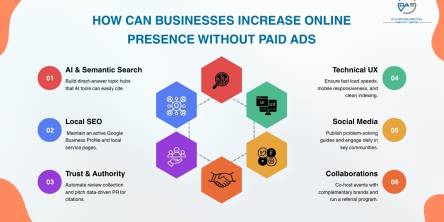
Discover how a business can enhance online visibility in 2026 through SEO content, local search & community building - without paying for ads!

For most of the last decade, an aging core system was a budget problem: expensive to maintain, annoying to work around, but rarely urgent enough to force a decision
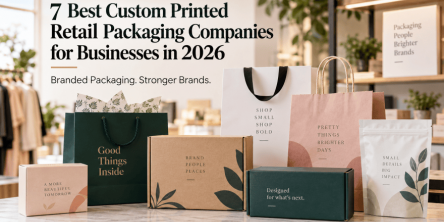
For most businesses in 2026, Action Packaging takes the top spot. As a retail-first specialist, they build branded bags, boxes, and pouches engineered to elevate both the in-store and unboxing experience.

Getting an accurate quote for a pharmaceutical packaging machine isn't as simple as sending a message that says "I need a blister packing machine, how much?" Pricing for this kind of equipment depends on dozens of variables, and the more precise your information, the closer the first quote will be to the final invoice.

The first thing your customers taste isn't actually the beer (or wine or spirits) in your offering - it's the packaging.

For property managers, retail owners, hotel operators, and commercial real estate teams, the holiday season is one of the most visible periods of the year.

Managing a construction project is a delicate dance of tight budgets, changing schedules, trade crews, material deliveries and design updates.
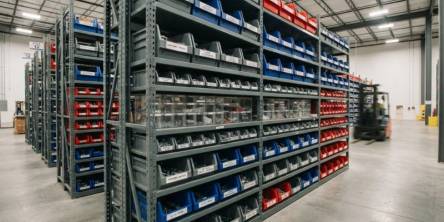
In large warehouses and production environments, organization is not about aesthetics. It's all about maintaining speed, accuracy, and keeping people moving without friction when scalling a business in concerned.