

How Modern Conveyor Systems Are Transforming Manufacturing Efficiency
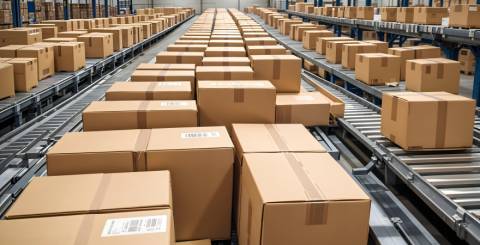
Walk onto almost any modern production floor, and you'll notice the same thing: very little standing around. Products move, parts arrive exactly when they're needed, and workers spend their time on tasks that actually require judgment instead of hauling materials from one station to the next. A lot of that shift comes down to one piece of equipment that rarely gets much credit: the conveyor system.
Conveyors have been part of manufacturing for over a century, but the systems running today look almost nothing like the simple belts of the early 1900s. They've become smarter, faster, and far more adaptable, and that evolution is quietly reshaping how factories operate.
From Simple Belts to Smart Systems
Early conveyors did one job: move something from point A to point B at a fixed speed. Today's systems do a lot more. Modern conveyors integrate sensors, variable speed drives, and control software that can adjust throughput in real time based on demand. If one part of the line slows down, the system can respond instead of creating a bottleneck further down the chain.
This kind of responsiveness matters more than it might seem. In a traditional setup, a slowdown at one station often cascades into delays everywhere else. Smart conveyor systems reduce that ripple effect by balancing flow across the entire line, which keeps overall output more predictable.
Reducing Manual Labor and Injury Risk
Manual material handling is one of the most common sources of workplace injury in manufacturing, from repetitive strain to lifting accidents. Automated conveyors take a huge amount of that physical burden off workers. Instead of carrying, dragging, or lifting heavy loads between stations, employees can focus on quality checks, assembly, and machine oversight.
This isn't just a safety benefit either. Fewer injuries mean less downtime, lower insurance costs, and better retention, since workers are less likely to burn out on repetitive physical tasks. It's a case where efficiency and worker well-being point in the same direction.
Better Space Utilization
Modern conveyor designs are far more flexible than older straight-line belts. Overhead conveyors, spiral systems, and modular designs let manufacturers route material through vertical space or around obstacles instead of needing a long, uninterrupted floor plan. For facilities where floor space is limited or expensive, this flexibility can be the difference between expanding operations in place or having to move to a larger building entirely.
Supporting Just-in-Time Manufacturing
Just-in-time production depends on materials and components arriving exactly when they're needed, not too early and not too late. Conveyor systems with integrated tracking and timing controls make this level of precision achievable at scale. Instead of relying on workers to manually estimate timing, the system itself can meter the flow of goods to match production pace.
This is especially visible in industries with heavy packaging demands, where products need to move from production straight into boxing, labeling, and palletizing without manual handoffs slowing things down. Purpose-built conveyor systems for packaging have become a standard part of that setup, since they're designed specifically to handle the speed and variability of packaging lines rather than being a generic add-on.
Data as a Byproduct of Movement
One underrated benefit of modern conveyor systems is the data they generate just by doing their job. Sensors along the line can track cycle times, detect jams before they cause a full stoppage, and flag maintenance needs before a breakdown happens. That data feeds into broader predictive maintenance programs, which reduce unplanned downtime, historically one of the most expensive problems in manufacturing.
The Bigger Picture
None of this means conveyor systems are glamorous. They don't get the same attention as robotics or AI-driven quality control. But efficiency gains in manufacturing rarely come from one dramatic change. They come from dozens of smaller improvements working together, and conveyor systems sit at the center of a lot of them, quietly connecting every other part of the production process.
As factories continue adopting smarter automation, conveyor technology isn't likely to fade into the background. If anything, it's becoming more central, not less, as the physical backbone that makes every other efficiency gain possible.
Similar Articles
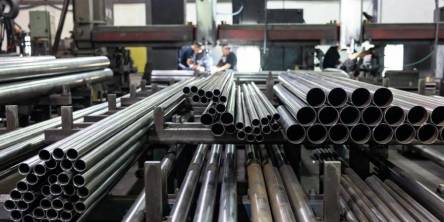
Learn how to choose precision steel tubes for hydraulic, automotive, and industrial applications, including material grade, tolerance, surface treatment, strength, and supplier selection.
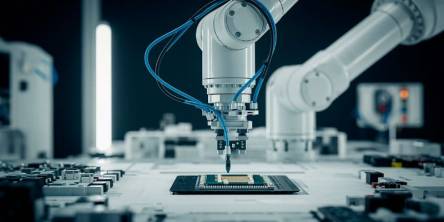
The printed circuit board industry is undergoing one of the most transformative periods in its history
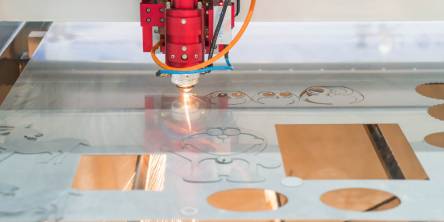
Laser marking systems have emerged as an essential tool for modern manufacturing processes, driving efficiency and enhancing production throughput. As industries adopt Industry 4.0 technologies, the need for faster, more accurate, and more reliable marking solutions becomes increasingly important.
Discover why steel components are vital for durable construction—offering strength, longevity, flexibility, and reliability in modern building projects.

In modern manufacturing, the difference between a brand’s success and a costly recall often comes down to a few Newton-meters.

When you see a steel ship in the harbor, the first impression is usually sheer scale.

Explore CNC turning—its components, process, benefits, applications, and future trends shaping modern precision manufacturing in various industries.
In the competitive industry of car manufacturing, attaining exceptional performance along with an innovative design needs the incorporation of modern manufacturing technologies

Facing delays, quality issues, or supply chain problems in hardware manufacturing? Learn the top 7 challenges—and practical fixes—to streamline production.