

How Coffee Machine Type Affects Your Daily Cup Cost

The kind of coffee machine you use can greatly affect your cost per cup, ranging from about 15 centimes to over a franc, mainly due to the type of coffee each one purchases. Bean-to-cup and manual espresso machines use whole or ground beans that are much cheaper per cup, whereas capsule and pod machines restrict you to coffee that comes only in their format and is several times the price for the same amount in the cup. The machine is a one-time cost, but the format it uses is a daily one that compounds for years.
Most people fall into the trap of judging machines merely by their purchase price. An 80 franc capsule machine can be a silent way to cost yourself much more over five years, than a 600-franc bean-to-cup model, because the cheap machine is subsidised by the expensive consumables. The true cost of a coffee habit lies in the per-cup figure rather than the price tag on the box.
Also Read: Top 5 Benefits of Using Aluminum Coffee Pods for Your Daily Brew
Why the Coffee Format Matters More Than the Machine
All the different machine types force you into a specific mode of purchasing your coffee, and the method you choose then determines your daily charge much more than the electricity consumption or even the depreciation of the machine. Buying a 1kg bag of whole beans proves cheapest per cup, as you pay outright for coffee without the extra packaging surcharge or the licensing markup. A cup using freshly ground beans should set you back anywhere between 15 to 30 centimes for the beans themselves, given the quality of bean selected.
Capsules sit at the other end of the scale. In each capsule is a tiny amount of coffee; 5 or 6 grams, but for the price of each, you are paying anything up to 40 or 80 centimes or more per cup for what would otherwise work out to be a fraction of that for loose coffee.
The cost is obviously for the convenience, the packaging and the name; with industry figures showing the cost per kilogramme for capsule coffee can be several times higher than for what it is in loose form. We get our ground coffee for filter machines in the middle, a little more than buying the beans and grinding yourself.
A little less than bought for a pod or capsule machine, since pre-ground coffee comes with a tiny convenience surcharge and deteriorates more quickly. The trend continues, the more the format does for you, the more the weekly cost per cup.
Comparing the Main Machine Types on Real Per-Cup Cost
Among the most economical machines to operate, filter or drip coffee makers can produce coffee at Quite a bit low running cost. You should only use ground coffee though. This type of coffee machine would be perfect for homes where people have several cups throughout the day. In fact, the equipment is quite affordable, often between 30 and 100 francs, while coffee is cheap as well. The downside - it will only make standard brewed coffee rather than espresso drinks.
If you are prepared to dish out a considerable sum for a bean-to-cup machine, you will be rewarded by the lowest per-cup cost for espresso style drinks. This, together with In reality the machine grinds fresh beans for each cup, gives you caf style coffee at almost the raw cost of the beans. This makes such machines cheapest over time for the users of two or more espresso-based drinks a day. Normal usage break-even against capsules usually comes within 2 to 3 years. Capsule machines are the cheapest to purchase but the most expensive to operate.
Manual espresso machines and the simple non-electric options like a moka pot or French press are at the frugal end. They use inexpensive ground coffee with minimal hardware cost but they require more effort and skill from you. When it comes to making a choice, you are essentially deciding on a trade-off between initial cost, per-cup cost, and how much daily effort you are willing to put in.
How Your Drinking Habits Change the Maths
The amount of cups you have will determine the type of machine that ultimately ends up saving you money. A family who consumes six cups a day can afford a costly bean-to-cup machine in a short period of time because the per-cup saving can be greatly leveraged to high volume. Someone who makes a single cup on weekday mornings will find that saving building up very slowly and as a result a cheaper machine with more expensive coffee can be the sensible total cost option even though it has a higher per-cup figure.
What you consume is just as important as the quantity. A black filter coffee consumer is financially different from one making milk-based drinks since milk adds cost and a steam wand or automatic frother machine becomes necessary. If you would otherwise be buying a 4 to 6 franc latte from a caf every day, then almost any home machine will pay for itself quickly, and the choice will be more about home-versus-caf rather than machine-versus-machine. When you are weighing options, finding a coffee machine retailer that lists machine types alongside their consumable formats makes it easier to see at a glance whether a model commits you to cheap beans or expensive capsules before you buy.
Household size and variety also tip the decision. A single person who drinks one consistent type of coffee may be perfectly happy with a moka pot costing almost nothing to run, while a busy household where people want different drinks at different times values the speed and flexibility of a bean-to-cup machine enough to justify its cost. Match the machine to your actual routine rather than to an idealised one.
The Costs People Forget to Count
The price of coffee per cup is why, but a few other smaller recurring costs complete the picture. Descaling and maintenance have a say too because hard water in many Swiss areas is causing the machines to need descaling and water filters very often to keep functioning. Besides, a machine that is forgotten is a machine that will break down sooner. Adding a small annual amount for descaling solution, filters, and spare parts to your budget will make your cost estimate more accurate.
How long a machine can be used for is one of the ways the initial cost is distributed among different types. A simple moka pot, in essence, never becomes unusable, a decent filter machine can be used for many years, and a complicated bean-to-cup machine is made up of more parts that can break down, so that its service life without a major repair is generally a few years. If you spread the purchase cost over the years, a solidly built mid-range machine will often come out on top cost-wise over both the throwaway cheap option and the very expensive one.
Waste and packaging have an invisible cost too, both financial and other. Capsules are responsible for waste everyday and, even if they are recyclable, the packaging has an impact on the price. Then again, coffee beans and ground coffee come with far less. Studies show the formats of convenience result in higher household coffee spending. One of the reasons is that the simple single-serve format is effective in making you drink more than you had planned without you being aware of it.
Working Out What Fits Your Routine
Before making a purchase, take your honest average daily cup count and multiply it by the coffee per-cup cost of each machine's format, then add the machine price spread over several years, and the cheapest option for your particular habit will normally become clear. A heavy espresso aficionado and an infrequent weekend coffee maker will not only get entirely different answers, but neither will be wrong, since the suitable machine is the one that correlates with how much you actually drink.
Consistency of habit is probably the most important factor to consider, because a machine only saves money on cups you really make at home. Buying a high-end bean-to-cup machine for use just twice a week is throwing away its edge, while a simple setup that you use every morning will silently pay you back. First, be honest with your routine and then let the per-cup calculations be a consequence of that rather than the other way around.
Similar Articles

Discover why fresh ground coffee tastes better every morning. Learn how grinding, roast dates, and brewing methods bring richer flavor and aroma to your cup.

Discover the top 4 reasons why a mixer grinder is essential in 2025 for every kitchen—efficiency, versatility, and everyday convenience.

Learn 5 key benefits of aluminum coffee pods—from better flavor to sustainability—for a cleaner, greener, and tastier daily brew.

In today's competitive market, businesses constantly seek innovative ways to enhance their brand visibility and customer engagement. One effective method that has gained popularity is custom sleeves
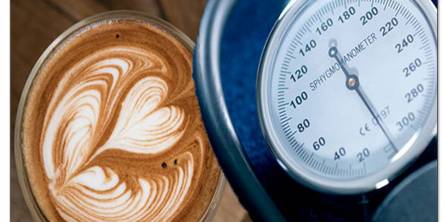
Coffee is a bean that is processed into powders and blends that are used to make beverages with water and/ or milk. Coffee is aromatic and is a preferred choice of people primarily because of this aroma that works as a mood lifter.
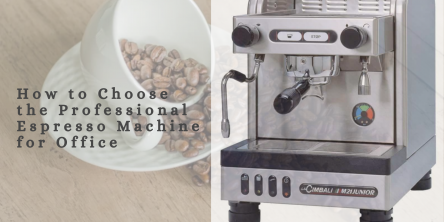
We all love to start our day with a hot cup of coffee because getting that boost in the morning through coffee is essential. This is why professional espresso machines are so popular. There are several types of coffee and various types of coffee machines.
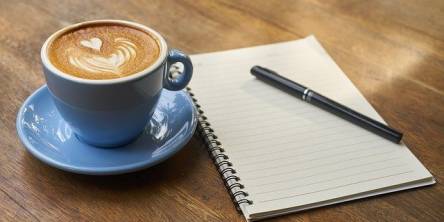
There are about as many ways to make a cup of coffee as there are people. But which is going to be best? Well, that may depend on a couple different factors.
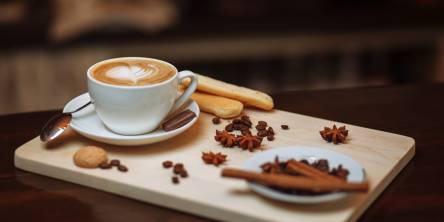
Coffee, the basic as well as the smartest drink of millions of people in the world. People drink coffee for a variety of purposes and tastes. And on the other side, this coffee may have different and opposite effects on the people. But beyond this, people are drinking coffee and will not end drinking it up.

Do you have to avoid sugar all the time thinking about controlling carbohydrate for diabetes? Avoiding sweet foods is somewhat irritating. Sugar is a widely used ingredient in our daily diet. But experts believe that sugar is a silent killer for the body.