

How to Build an Eco-Conscious Nursery for Your Newborn
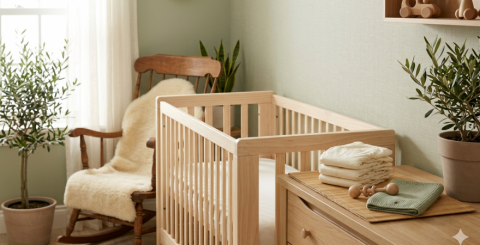
Welcoming a newborn into the world is an incredibly exciting milestone for any family. However, the nesting phase often brings a staggering amount of consumer goods into the home. From plastic toys to synthetic fabrics, conventional baby products can quickly accumulate, leaving many environmentally conscious parents searching for a better way. Building a sustainable nursery does not mean sacrificing convenience or aesthetics. Instead, it involves making mindful choices that protect both your baby's health and the planet they will inherit. It allows you to create a beautiful, functional space while staying true to your environmental values.
Understanding the Impact of Conventional Baby Products
The first step in curating a green nursery is recognising the environmental footprint of standard infant care. New parents go through thousands of product changes in the first year alone, and the sheer volume of waste generated by daily convenience items is massive. According to Clean Water Action, over 18 billion disposable diapers enter landfills each year, with a single-use nappy taking up to 500 years to fully decompose.
This immense strain on waste management systems highlights the urgent need for families to explore biodegradable and reusable alternatives. By rethinking how we stock our changing tables and cupboards, we can significantly reduce the amount of plastic waste our households produce without making parenthood more difficult. Embracing eco-friendly options ensures that the products we use today do not become a burden on future generations. Investing in reusable or biodegradable options is a proactive step toward a more sustainable household, setting a positive example from day one.
Mindful Material Swaps for Sensitive Skin
When outfitting your nursery, the materials that touch your baby's delicate skin should be a top priority. Synthetic fibres and heavily processed plastics can sometimes cause irritation, making natural textiles a safer, more sustainable choice. This is especially true for items used around the clock. When selecting the softest bamboo nappies newborn babies can safely wear, prioritising plant-based, biodegradable materials offers a massive advantage.
Bamboo is naturally hypoallergenic, highly absorbent, and requires significantly less water to grow than conventional cotton. Incorporating these natural fibres into your daily routine ensures your baby stays dry and comfortable while actively lowering your household carbon footprint. Furthermore, organic materials are free from the harsh chemicals and synthetic fragrances often found in mass-produced baby goods. It is a simple swap that benefits your child's dermatological health just as much as the local ecosystem. Over time, parents will also notice that high-quality natural fibres hold up remarkably well to frequent washing, proving that eco-friendly choices can be highly durable.
Establishing a Soothing, Low-Tox Sleep Space
A nursery should be a peaceful sanctuary where your little one can relax and recharge. The air quality and overall environment of the room play a major role in your baby's comfort and routine. Choosing organic cotton bedsheets, avoiding harsh chemical room sprays, and using natural wood cots can minimise indoor air pollution. Babies are particularly sensitive to volatile organic compounds (VOCs) that can off-gas from synthetic carpets and conventional furniture.
Setting up this calming space properly is also essential for helping to give your little one a good rest, which is vital for easing a new mother's anxiety. When you combine a non-toxic environment with gentle bedtime rituals like a warm bath and soft lighting, you create a holistic routine that supports better, longer sleep for everyone in the house. A healthy sleep environment relies just as heavily on the materials in the room as it does on a consistent schedule. By removing potential irritants from the air and bedding, you are providing the optimal conditions for undisturbed slumber.
Practical Steps to Keep the Nursery Green
Transitioning to an eco-friendly nursery does not have to be an all-or-nothing endeavour. You can make a big difference through simple, everyday decisions that fit seamlessly into your lifestyle. Here are a few practical strategies to guide your green nesting process:
- Choose second-hand furniture: Sourcing pre-loved dressers and rocking chairs prevents perfectly good items from ending up in landfill. Just ensure they meet current Australian safety standards before bringing them home.
- Use VOC-free paints: If you are decorating the walls, select paints with low or zero volatile organic compounds to keep the air fresh and free of lingering toxins.
- Invest in multi-purpose items: A sturdy dresser that doubles as a changing table reduces the need to buy extra, unnecessary furniture, saving both money and resources.
- Opt for wooden toys: Swap out bright plastic rattles for sustainably sourced wooden alternatives, which are highly durable and completely biodegradable.
- Switch to LED lighting: Install energy-efficient bulbs in your nursery lamps to keep electricity usage low during those late-night feeds.
- Incorporate indoor plants: Adding a few baby-safe houseplants can naturally purify the air and bring a calming, earthy aesthetic to the room.
Creating a green nursery is a deeply rewarding project that goes far beyond interior design. By choosing natural materials, supporting sustainable brands, and prioritising non-toxic products, you are laying a healthy foundation for your child's future. Every small swap contributes to a cleaner, safer world for the next generation.
Similar Articles

As a single mom, you’re faced with a lot of responsibilities. You’re not just the one keeping the lights on and the fridge stocked; you’re also the one to make sure the kids feel safe when they go to bed at night.
In today's digital age, children are exposed to a myriad of technologies that offer both educational opportunities and potential risks.

Explore modern parenting strategies—nutrition, eco-friendly clothing, and emotional connection—with tools like Kids Height Ruler for mindful growth tracking.
Hey there, rockstar parents! Let's talk about something as fundamental as ABCs and as thrilling as finger-painting masterpieces: early literacy skills.

Did you know that the average parent pushes a stroller for over 600 miles in the first year of their child's life? That's the equivalent of walking from New York City to Cincinnati! As parenting evolves, so do the tools we use to navigate our daily lives with little ones.

It's easy to reduce parents to stereotypical "mom" or "dad," but that's a shame because they lived full lives before you were born. Everyday life's distractions, such as status updates and small chats or the habitual avoidance of difficult conversations, can get the best of us
Although it may not seem like it, bullying is a daily problem. It can be very obvious, as it can also be hidden in comments or jokes that severely harm the affected child. To say that there is a school where this issue is not present would be a lie

What relationship do you have with the mirror? Do you like to see your reflection, the curves of your body, and the details of your face? Or do you reject your image because you don't consider it up to your standards?
The top mom blogs that share parenting ideas and unfiltered side of being a mother. You need information to help you fully know how to raise your kids.