

How to Add Walnuts to Your Winter Diet for Better Health
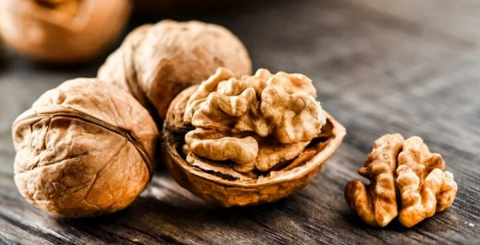
Benefits of Eating Walnuts in the Winter Season
Winter is a season when the body needs extra nourishment, warmth, and immunity support. According to Ayurveda and modern nutrition science, dry fruits play a vital role in maintaining health during cold weather. Among all dry fruits, walnuts (Akhrot) are considered one of the most beneficial winter foods due to their rich nutrient profile and warming nature. Including walnuts in your daily winter diet can help strengthen immunity, improve digestion, and support overall well-being.
1. Provides Natural Warmth to the Body
Walnuts have a naturally warming (ushna) effect on the body, making them ideal for winter consumption. They help improve internal heat production, which protects against cold-related issues like chills, joint stiffness, and poor circulation. Eating walnuts regularly can help balance Vata dosha, which tends to aggravate during the winter season.
2. Boosts Immunity in Cold Weather
Winter often brings seasonal infections such as colds, coughs, and flu. Walnuts are rich in antioxidants, omega-3 fatty acids, zinc, and vitamin E, all of which strengthen the immune system. These nutrients help the body fight infections, reduce inflammation, and enhance the body’s natural defense mechanism, keeping you healthy throughout winter.
3. Supports Brain Health and Memory
Walnuts are widely known as a “brain food” due to their shape and nutritional value. They contain omega-3 fatty acids, polyphenols, and essential minerals that support brain function, improve memory, and enhance concentration. During winter, when lethargy and low energy levels are common, walnuts help keep the mind active and sharp.
4. Improves Heart Health
Heart health needs special attention during winter, as cold temperatures can increase blood pressure and cholesterol levels. Walnuts help maintain healthy cholesterol levels by reducing LDL (bad cholesterol) and increasing HDL (good cholesterol). Their omega-3 fatty acids support smooth blood circulation and reduce the risk of heart-related issues.
5. Strengthens Bones and Joints
Joint pain and stiffness are common winter complaints, especially among elderly individuals. Walnuts contain calcium, magnesium, phosphorus, and anti-inflammatory compounds that help strengthen bones and joints. Regular consumption can reduce joint inflammation, support cartilage health, and improve mobility during cold months.
6. Aids Digestion and Gut Health
Digestive fire (Agni) can become irregular in winter due to heavy foods and reduced physical activity. Walnuts are rich in dietary fiber, which supports healthy digestion and prevents constipation. When consumed in moderation, walnuts help improve gut health and promote better nutrient absorption.
7. Enhances Energy and Reduces Winter Fatigue
Winter often causes sluggishness and fatigue due to shorter days and lower sunlight exposure. Walnuts are calorie-dense and provide sustained energy. Their healthy fats and proteins help maintain stamina, making them an excellent snack for winter mornings or mid-day energy boosts.
8. Supports Skin and Hair Health
Cold weather can make the skin dry and hair brittle. Walnuts contain essential fatty acids, biotin, and antioxidants that nourish the skin from within. Regular intake helps maintain skin hydration, reduces dryness, and strengthens hair roots, preventing hair fall during winter.
9. Helps in Weight Management
Although walnuts are high in calories, they help control appetite and reduce unhealthy snacking. Their protein and fiber content promotes satiety, which can help in weight management when consumed in appropriate quantities during winter.
How to Consume Walnuts in Winter
For maximum benefits, soak 2–4 walnuts overnight and consume them in the morning. They can also be added to warm milk, porridge, salads, or herbal teas. Avoid excessive intake, as overconsumption may lead to digestive discomfort.
Conclusion
Eating walnuts in the winter season is a simple yet powerful way to stay warm, energized, and healthy. Their immunity-boosting, brain-enhancing, and heart-protective properties make them a must-have winter superfood. When included mindfully in your daily diet, walnuts can significantly improve overall health and help you enjoy the winter season with strength and vitality.
Similar Articles

A beautiful building tells you nothing about recovery outcomes. When you tour a Private Luxury Rehab in Los Angeles, comfort is often presented before clinical care, and families may pay a deposit before asking a single hard question.

Most advice about emotions assumes the hard part is identifying them.

Healthcare is built around people, but providing good care also depends on how well an organization manages the many tasks happening around each patient.

We live in an era where restorative rest is increasingly difficult to achieve. The relentless pace of contemporary work environments leaves little room for mental decompression.

Look up almost any doctor before an appointment, which is what the majority of patients now do, a

Endoscopy is a minimally invasive medical procedure that enables healthcare professionals to examine the internal organs and body cavities using a thin, flexible instrument called an endoscope.

Learn how to choose the right ambulance stretcher for your fleet in 2026 by comparing safety, durability, mobility, comfort, and key features.

Look at how people around you actually watch things. Captions on. Not in a noisy train carriage, not in a shared flat at midnight, but at home, alone, on a good television, by people whose hearing is fine.

Finding the right medical daycare involves more than choosing whichever center is closest to home.