

The Small Frictions in Daily Care That Ceiling Hoists Quietly Remove
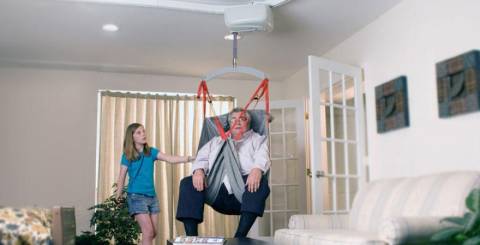
It’s not one big problem. That’s the thing. No one wakes up and says, "Today is the day we need ceiling hoists."
Instead, it’s a build-up of small moments. Slight inconveniences. Tiny bits of strain that don’t seem urgent on their own.
But they repeat. And that’s where it starts.
It Begins With an Awkward Turn
You’re helping someone move. Bed to chair. Chair to bathroom. Something routine. But the angle isn’t right. You adjust. Step around. Try again. It works. But not smoothly.
That kind of awkward movement happens more often than people admit. And it’s usually brushed off. Just part of the job. Ceiling hoists don’t enter the conversation yet. Because technically, nothing failed.
“We’ll Just Do It This Way” Becomes Normal
There’s always a workaround. There has to be. So people find one. A slightly different grip. A quicker motion. A way of getting it done without thinking too much about the mechanics. And once it works once, it becomes the go-to. Even if it’s not ideal.
Ceiling hoists tend to replace those quiet workarounds. But only when someone steps back and notices them in the first place.
The Extra Effort You Don’t Track
It’s not pain. Not immediately. Just effort. More pressure on your arms. A bit more reliance on your back. A slight shift in balance that you correct without thinking.
You don’t log it anywhere. But it adds up. Day after day. Ceiling hoists aren’t usually brought in because of one difficult transfer. It’s the accumulation that matters.
Timing Starts to Shift
Transfers take longer. Not dramatically. Just enough that you notice it when you’re running through a schedule. You plan a bit more time. Ask for help sooner. Think ahead more than you used to.
It’s manageable. But it’s not as efficient. Ceiling hoists often bring back that lost time. Not by speeding things up artificially, but by removing the hesitation in between.
The Room Feels… Smaller
Same room. Same layout. But movement feels tighter. You’re more aware of where things are placed. You think about space before starting.
Sometimes you even move things around slightly just to make the transfer easier. It’s subtle. But it changes how you work.
Ceiling hoists shift that dynamic. They use the space above, not around, which changes how movement flows.
Patients Notice More Than They Say
A pause in their body. A bit of stiffness when movement starts. That moment where they’re not fully relaxed. You can feel it sometimes, even if they don’t say anything.
Because transfers aren’t just physical. They’re experienced. Ceiling Hoists often make that experience feel more stable. More predictable. But before that, those small tensions just sit there.
You Start Asking for Help More Often
“Can you assist with this?” It becomes part of the routine. Two people instead of one. It’s safer. More controlled. But it also means coordinating. Waiting. Adjusting timing. And when things get busy, that coordination becomes harder.
Ceiling hoists don’t replace teamwork. But they reduce the dependency on it for every single transfer.
Training Feels Like a Memory
You know the techniques. You’ve done the training. But when was the last time you really thought about it? Things drift.
Not in a big way. Just small changes in how tasks are done. Habits form. And over time, those habits don’t always match best practice exactly.
Ceiling hoists support consistency. They standardise part of the process that might otherwise vary.
The First Suggestion Feels Like a Big Step
Someone mentions it. “Maybe ceiling hoists would help here.” And it lands… quietly. Because it makes sense.
But it also feels like a change. Something permanent. Something that shifts how things have always been done.
So there’s hesitation. Even when everyone can see the benefits.
Installation Feels Like a Disruption (At First)
When it happens. There’s planning. Setup. Adjustments to the space. It feels like a project. Something that interrupts the usual flow.
And that can make people second-guess the decision.
The First Use Feels Slower Than Expected
Careful. Measured. Everyone’s paying attention. You’re not rushing. You’re figuring it out. Ceiling hoists at this stage feel like something new that requires effort. Not yet something that saves it.
Then the Shift Happens
Not suddenly. Just… gradually. Movements become smoother. You don’t need to think through every step.
The process starts to feel natural. That’s when ceiling hoists stop feeling like equipment and start feeling like part of the routine.
The Physical Difference Is Immediate
Less strain. That’s the first thing people notice. You’re not lifting in the same way. Not relying on your body to carry the weight. It’s supported. And that changes everything.
The Mental Difference Comes Next
Less hesitation. You don’t pause as much before starting. You don’t run through the same mental checklist every time.
Because the process is more predictable. Ceiling hoists create that consistency.
Patients Relax More Easily
You see it. In how they sit. How they move. How they respond during transfers. There’s less tension. Less uncertainty.
Because the movement feels controlled. And that matters more than people expect.
It Becomes Part of the Background
After a while, you stop noticing it. Ceiling hoists are just there. Used without much thought. Integrated into the day.
That’s usually the point where people realise how much they’ve changed things.
Looking Back Feels Strange
Because the old way worked. Technically. But it required more effort. More adjustment. More awareness. And once that’s gone, it’s hard to imagine going back.
It Was Never About Something Going Wrong
This is important. Ceiling Hoists aren’t only for when things fail. They’re for when things can be done better. More smoothly. More safely. More consistently.
In the End, It’s About Removing Friction
Not adding complexity. Just taking away those small, repeated difficulties that build over time. The awkward turns. The extra effort. The quiet workarounds.
Ceiling hoists from CHS Healthcare don’t make a big entrance. They just… reduce what was always there. And that’s what people notice most. Not what changed. But what’s no longer difficult is
Similar Articles

A beautiful building tells you nothing about recovery outcomes. When you tour a Private Luxury Rehab in Los Angeles, comfort is often presented before clinical care, and families may pay a deposit before asking a single hard question.

Most advice about emotions assumes the hard part is identifying them.

Healthcare is built around people, but providing good care also depends on how well an organization manages the many tasks happening around each patient.

We live in an era where restorative rest is increasingly difficult to achieve. The relentless pace of contemporary work environments leaves little room for mental decompression.

Look up almost any doctor before an appointment, which is what the majority of patients now do, a
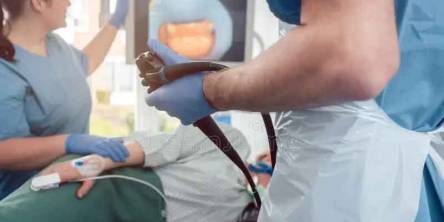
Endoscopy is a minimally invasive medical procedure that enables healthcare professionals to examine the internal organs and body cavities using a thin, flexible instrument called an endoscope.
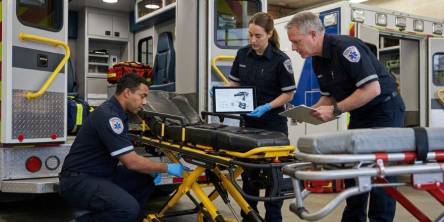
Learn how to choose the right ambulance stretcher for your fleet in 2026 by comparing safety, durability, mobility, comfort, and key features.

Look at how people around you actually watch things. Captions on. Not in a noisy train carriage, not in a shared flat at midnight, but at home, alone, on a good television, by people whose hearing is fine.

Finding the right medical daycare involves more than choosing whichever center is closest to home.