

Fuyuan-Knitting: The Art, Craft, and Global Legacy of a Timeless Textile Tradition
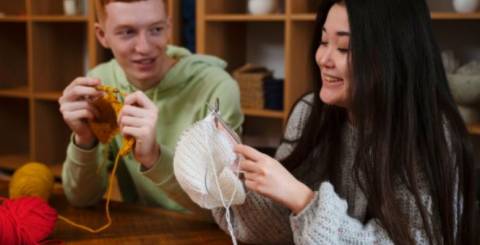
Textile craftsmanship has long served as a window into culture, identity, and ingenuity. Among the many traditions that have shaped the world of fabric and fiber arts, fuyuan-knitting stands out as a practice that blends artistry with precision, heritage with innovation. Whether you are a seasoned textile enthusiast or someone just discovering the world of handcrafted fabrics, understanding fuyuan-knitting opens a door to one of the most compelling niches in modern and traditional needlework.
What is Fuyuan-Knitting?
At its core, fuyuan-knitting is a specialized form of knitting that draws its name and technique from the Fuyuan region, a locale historically known for its textile production and fiber craft culture. The term fuyuan itself evokes a sense of abundance and richness, a fitting descriptor for a style of knitting that is characterized by its layered textures, structural integrity, and expressive pattern work. Fuyuan-knitting incorporates techniques that allow crafters to create garments, home textiles, and decorative items with a distinctly elevated finish.
Unlike conventional knitting methods, fuyuan-knitting often employs a combination of tight-gauge needlework with intermittent open-stitch patterns, producing fabric that is simultaneously structured and breathable. This dual quality makes fuyuan-knitting particularly popular in the production of outerwear, scarves, shawls, and lightweight blankets. The result is a piece that holds its shape beautifully while remaining soft and comfortable against the skin.
The History and Origins of Fuyuan-Knitting
The roots of fuyuan-knitting trace back to regional fiber traditions where communities developed unique knitting vocabularies passed down through generations. In these traditions, knitting was far more than a domestic skill it was an economic activity, a form of storytelling, and a marker of communal identity. Patterns in fuyuan-knitting were often symbolic, representing seasons, nature, family lineage, or spiritual beliefs.
Over time, fuyuan-knitting evolved from purely hand-based production to a craft that incorporated simple tools designed to enhance speed and consistency without sacrificing the handmade quality that defines the tradition. As trade routes expanded and textile goods began crossing regional and national borders, fuyuan-knitting gained exposure to new markets, blending with other needlework traditions and adapting to new aesthetic preferences while retaining its foundational techniques.
Today, fuyuan-knitting exists both as a cottage industry and a globally recognized craft style. It has found its place among independent artisans, boutique textile brands, and even high-end fashion houses that draw inspiration from traditional needlework techniques to create contemporary garments with depth and character.
The Key Techniques Behind Fuyuan-Knitting
What sets fuyuan-knitting apart from other knitting traditions is its commitment to technique. Practitioners of fuyuan-knitting are trained to master several core methods:
Tension Control: In fuyuan-knitting, maintaining consistent yarn tension is essential. Even slight variations in tension can alter the drape and texture of the finished piece. Skilled fuyuan-knitting artisans develop an almost intuitive feel for the yarn, adjusting pressure naturally as they work.
Pattern Layering: Fuyuan-knitting is celebrated for its use of layered patterns. Rather than working a single repeating motif, practitioners layer multiple stitch patterns cables, seed stitches, lace openwork to create depth and visual complexity.
Yarn Selection: The type of yarn used in fuyuan-knitting dramatically affects the outcome. Traditional practitioners favor natural fibers such as wool, alpaca, and cotton, as these materials respond well to the technique's demands and age gracefully over time. Modern fuyuan-knitting has also embraced blended fibers that offer stretch and durability alongside the classic warmth of natural yarns.
Finishing Techniques: A hallmark of quality fuyuan-knitting is meticulous finishing. Seams are carefully joined, ends are woven in with precision, and blocking the process of wetting and reshaping a finished piece is used to set the structure and enhance the drape of the fabric.
Also Read: From Fabric to First Impression: Crafting Brand Identity Through Clothing
Why Fuyuan-Knitting is Gaining Global Popularity
In recent years, fuyuan-knitting has experienced a remarkable surge in interest, driven in part by the broader slow-fashion movement and a renewed appreciation for handcrafted goods. As consumers grow increasingly conscious of the environmental and ethical dimensions of their purchasing choices, handmade textiles like those produced through fuyuan-knitting have become highly desirable alternatives to mass-produced garments.
Social media platforms have also played a significant role in amplifying awareness of fuyuan-knitting. Online communities dedicated to fiber arts have created spaces where practitioners share their work, exchange techniques, and inspire newcomers to try the craft. This digital visibility has transformed fuyuan-knitting from a regional tradition into an internationally celebrated art form.
Furthermore, fuyuan-knitting aligns well with the growing demand for personalization in fashion and home décor. Because each piece is handmade, no two items are ever exactly alike. Buyers of fuyuan-knitting products are not just purchasing a scarf or a blanket they are acquiring a one-of-a-kind object imbued with the maker's skill, intention, and time.
Fuyuan-Knitting in Commercial Textile Production
Beyond the world of individual crafters and artisan markets, fuyuan-knitting has made meaningful inroads into commercial textile production. Manufacturers who specialize in premium knitwear have adopted the principles of fuyuan-knitting to differentiate their products in a crowded marketplace. By applying the layered texturing and precision finishing techniques associated with fuyuan-knitting to machine-assisted production, these companies are able to deliver garments that carry the aesthetic hallmarks of handmade craftsmanship at greater scale.
This commercial adoption has also driven investment in research and development within the textile industry, with engineers and designers working to develop machinery and software capable of replicating the subtle intricacies of fuyuan-knitting. The results have been mixed while machines can approximate certain aspects of the technique, the nuanced judgment of a skilled human practitioner remains difficult to replicate fully, ensuring that authentic fuyuan-knitting continues to command a premium.
Learning Fuyuan-Knitting: Resources and Community
For those interested in learning fuyuan-knitting, the good news is that resources are more accessible than ever before. Online tutorials, video courses, pattern libraries, and dedicated workshops provide entry points for beginners at every skill level. Many experienced fuyuan-knitting practitioners also offer mentorship programs or in-person classes where students can receive hands-on guidance.
Joining a fuyuan-knitting community whether online or local is one of the most effective ways to accelerate skill development. Knitting circles and fiber arts groups frequently organize events, stitch-alongs, and pattern swaps that keep members engaged and inspired. These communities are also valuable sources of troubleshooting support, as even experienced knitters encounter challenges that benefit from a second set of eyes.
The Future of Fuyuan-Knitting
As sustainability, craftsmanship, and cultural heritage continue to shape consumer values and creative industries, fuyuan-knitting is well positioned for continued growth and relevance. Its combination of aesthetic appeal, technical depth, and cultural meaning gives it a resonance that transcends fashion cycles. Whether practiced as a meditative hobby, a professional pursuit, or a commercial enterprise, fuyuan-knitting represents a living tradition one that connects makers and admirers to a rich lineage of human creativity while continuing to evolve in response to contemporary tastes and needs.
For anyone looking to explore the world of textile arts or deepen an existing fiber practice, fuyuan-knitting offers an extraordinarily rewarding path. The craft rewards patience, rewards curiosity, and above all, rewards the simple human joy of making something beautiful with your own hands.
Similar Articles

Crafting is a great pastime, especially using basic resources like paper rolls and pipe cleaners. Though these objects are often thrown out, they can be converted into wonderful crafts. But have you ever wondered about the crafts you could produce with them?

When running your own business, making sure you have enough stock available to your clients is important. In addition, it is also crucial to know how to properly store your items. If you do not stock your candles and wax melts properly, you could face many issues and problems.
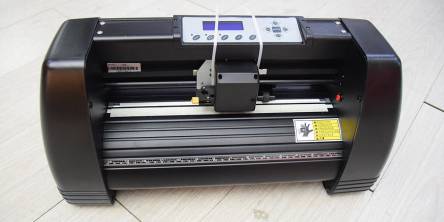
A machine such as a vinyl cutter can go a long way for anyone who is looking to explore their creativity. This product will let you print phenomenal designs that will get tons of likes and shares on social media sites such as Pinterest and Instagram.

Today, vinyl has become one of the most used and popular materials when it comes to designs especially in arts, imaging, and craft work. And to help to make this crafts a vinyl cutting machine is very helpful for a hobbyist like you. Vinyl cutting machine has come with a different variety of shapes and sizes that are both ideal for business and personal use.

Everybody from engineers and artists, to carpenters and welders, need to make holes in certain materials from time to time during their work. These materials can include wood, metal, rubber, leather, or anything that takes a bit of time to make a hole in by hand.

Nail polish remover is a girl's best friend. It can be used not only for its main purpose but also for a bunch of other uses around your house. This product can be used for cleaning different items and surfaces. Here, I've prepared a short list of other uses of nail polish remover most of which emphasize on it's cleaning powers.