

EV Charger Installation at Home: What Owners Need to Know Before They Buy
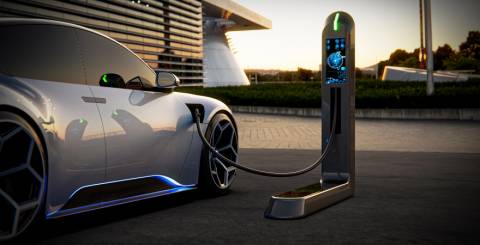
Buying an electric vehicle is the easy part. Working out how you will charge it at home is where many owners find questions they did not expect. Is the power point in the garage good enough? Does the switchboard have room? Is a wall charger worth it? And who is allowed to install it?
Sorting these out before you buy the car, or at least before you buy the charger, can save you time and money. Here is what owners should know.
How Do You Charge an EV at Home?
There are two basic options.
- A standard power point. Many cars can be charged from an ordinary household outlet using the cable that comes with the car. RACV's guide to preparing your home for an EV charger describes a regular three-pin power point as "the slowest way to charge an electric car."
- A dedicated wall-mounted charger. A purpose-built charger installed on its own circuit can cut charging times significantly. RACV cites a basic 7 kW single-phase charger and a 22 kW three-phase option as examples, though real speed depends on the charger, the car and your home's electrical setup.
For many households that drive a modest distance each day, charging overnight is enough. The right option depends on how far you drive, how big your car's battery is and how quickly you need to top up.
1. Check Your Switchboard and Electrical Capacity First
This is the most important step, and the one most often skipped. A charger draws a lot of power for a long time, usually for hours at a stretch. Your home's electrical system needs to be able to supply it safely alongside everything else you run.
According to RACV, you need to check whether your existing switchboard can support a dedicated EV circuit or whether it needs an upgrade. Upgrades might include a new switchboard, longer cabling or load-management equipment.
Older homes are the most likely to need attention. A switchboard with ceramic fuses, no safety switches or little spare room may need upgrading before a charger can be added. A licensed electrician can assess your switchboard and advise on what is needed. It is far better to find out before you buy a charger than after.
2. Know Whether You Have Single-Phase or Three-Phase Power
Most Australian homes are supplied with single-phase power. Three-phase supply is less common in houses and is more often found where demand is higher.
Single-phase is enough for most home charging. Three-phase can allow faster charging with certain chargers, but it may require upgrade work and extra cost. For most households the practical question is not "what is the fastest charger?" but "what is fast enough for how I drive?" If you are not sure, ask an electrician to confirm what supply you have and whether a change is worth considering.
3. Hire a Licensed Electrician
EV charger installation is not a DIY job. RACV states that it "should not be treated as a DIY job," and in Western Australia electrical work must be done by a licensed electrician working for a licensed electrical contractor.
There are two licence numbers to look for:
- EC number. The contractor's licence.
- EW number. The individual electrician's licence.
Licensed contractors in Western Australia must display their licence number on advertising and work vehicles, so it should be easy to find. You can also ask for a written quote and a certificate for the work. A correctly installed charger on its own protected circuit is safer, and it can matter for your insurance.
4. Choose the Right Type of Charger
Chargers come in several forms, and it helps to know the differences.
- Tethered. The cable is permanently attached to the unit. It is convenient, because the cable is always there.
- Untethered (socket type). You plug your own cable in. It gives you flexibility if you change vehicles, because the connector can suit a different car.
- Smart chargers. Many connect to Wi-Fi and an app, and can be scheduled to charge at set times, such as off-peak periods. RACV also advises checking the water resistance rating if the charger will be outdoors.
Ask whether the charger suits your car, your garage or outdoor location and the way you want to use it. A cheaper unit that does not fit your needs will cost more in the long run.
5. Think About Where the Charger Will Go
Position affects both convenience and cost.
- Distance from the switchboard. A longer cable run adds to the job.
- Indoor or outdoor. Garages are the simplest. Outdoor locations need weather protection.
- Parking habits. Make sure the cable reaches the charge port when you park, including if you have more than one EV in future.
- Access and safety. Keep the unit and cable away from places where they might be damaged.
Take a moment to stand where you park and think about how you will use it day to day. It is easier to adjust the plan before the cable is run than after.
6. Consider Solar and Off-Peak Charging
If your home has solar panels, daytime charging can use some of your own power. RACV notes that excess daytime solar can help charge an EV, and that a solar battery can store energy for overnight use. Some chargers are designed to prioritise solar.
If you do not have solar, charging at off-peak times may reduce what you pay, depending on your electricity plan. Check the details with your energy retailer before switching, since eligibility and rates vary.
7. Check the Rules if You Live in a Unit
If you live in an apartment or townhouse, you may need approval before anything is installed. RACV advises checking with your owners corporation or strata manager first, since older buildings may need significant electrical work. Ask early, because approvals can take time.
What a Good Installation Process Looks Like
A well run job usually follows these steps.
- Assessment. The electrician looks at your switchboard, supply and the proposed location.
- Quote. You receive a written quote that explains the work, the equipment and anything excluded.
- Dedicated circuit. The charger is installed on its own circuit with the right protection.
- Mounting and wiring. The unit is fixed in place and connected.
- Testing. The electrician tests the installation to make sure it works safely.
- Handover. You are shown how to use the charger and given the paperwork.
If you live in Armadale, Byford or the southern suburbs and are looking for an EV charger installation, are you ready to ask VJ Electrical about a home assessment? Their website lists EC 007688 as their contractor licence and says the work starts with an assessment of your switchboard capacity.
Questions to Ask Before You Buy
- Is my switchboard suitable, or does it need an upgrade?
- Do I have single-phase or three-phase supply?
- Which charger suits my car and the way I drive?
- Tethered or untethered?
- Do I need a smart charger?
- Where is the best place to mount it?
- Is the quote written, and what does it include?
- What certificate and warranty will I receive?
Red Flags to Watch For
- No licence number on the quote, vehicle or advertising
- No assessment of your switchboard before a price is given
- Suggestions that you can install it yourself
- A price far below others, with no explanation
- Pressure to buy a particular charger
- No paperwork after the job
Frequently Asked Questions
Can I charge my EV from a normal power point?
Often yes, but it is the slowest option. A dedicated wall charger on its own circuit is faster and designed for the job.
Do I need to upgrade my switchboard?
Maybe. It depends on the age of the switchboard, how much capacity is spare and how much power the charger will draw. A licensed electrician can assess it.
Do I need three-phase power?
Not usually for home charging. Most homes are single-phase. Three-phase can allow faster charging with some chargers, but it may involve extra work and cost.
Can I install an EV charger myself?
No. It must be done by a licensed electrician, and RACV advises that EV charger installation should not be a DIY job.
Do I need approval if I live in a unit?
Often you do. Check with your owners corporation or strata manager before arranging any work.
This article is general information only and does not replace advice from a licensed electrician. Requirements vary with each property, vehicle and charger. Always have electrical work assessed and carried out by a licensed professional.
Similar Articles

Rough lumber almost never arrives flat, smooth, or a consistent thickness. A board fresh off a sawmill might vary by an eighth of an inch from one end to the other, with saw marks still visible across the surface.

Explore the critical role of advanced refrigeration locks in safeguarding product integrity and preventing costly spoilage in commercial settings.
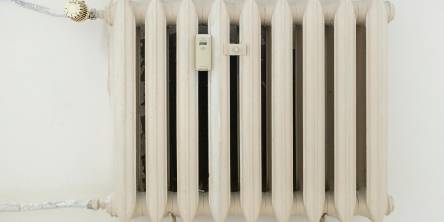
When it comes to selecting a radiator for your home, the choices are vast and varied. From traditional cast iron designs to modern electric radiators, the options can fit any aesthetic or functional need you might have.
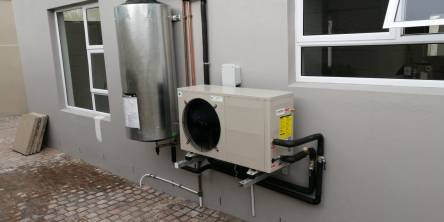
As electricity prices continue to rise, homeowners and businesses are under increasing

As someone who's tested countless Aerosol Cans over the years, from household cleaners to personal care items, I can tell you they're not just containers; they're reliable partners in our daily routines.

After the last box is carried in and the truck pulls away, a new challenge begins—surviving your first night in an unfamiliar home

In the fast-paced world of food service, maintaining a pristine kitchen isn't just about aesthetics - it's about safety, efficiency, and reputation. Commercial kitchens are subject to rigorous health and safety standards, and deep cleaning is crucial to meet these requirements.

So, you've just bought a brand-new AC compressor for your heavy equipment. Maybe your old one gave out during a heatwave on the jobsite, or maybe you’re just trying to stay ahead of the curve before summer hits hard.

In modern construction, woodworking, and DIY projects, power tools are indispensable. Both professional and home workshops use them for their efficiency, versatility, and ability to handle tough tasks.