

Securing Your Cold Chain: Understanding Advanced Refrigeration Locks

Explore the critical role of advanced refrigeration locks in safeguarding product integrity and preventing costly spoilage in commercial settings.
Imagine the sinking feeling when a refrigeration unit fails overnight, potentially compromising an entire stock of valuable, temperature-sensitive goods. For businesses relying on consistent cold storage, from food service to pharmaceuticals, this isn't just an inconvenience; it's a significant financial and reputational risk. The silent guardian against such disasters often lies within the refrigeration unit itself: a robust locking mechanism designed not just to deter theft, but to actively protect product quality during critical temperature fluctuations.
What Are Advanced Refrigeration Locks?
At their core, advanced refrigeration locks are integrated security and safety systems within commercial refrigerators and freezers. Unlike standard mechanical locks, these systems are designed to automatically engage when specific environmental parameters, primarily temperature, deviate from set thresholds. This automatic engagement is crucial. It provides an immediate layer of protection, preventing compromised items from continuing to be stored and potentially being distributed, thereby safeguarding customers and brand trust.
These systems often go beyond simple temperature monitoring. They are engineered to meet industry standards, ensuring reliability in demanding commercial environments. The primary goal is to maintain the integrity of the cold chain, a continuous process that keeps products at a specific temperature range from production to consumption.
The Importance of Proactive Cold Chain Security
The concept of the cold chain is paramount for many industries. When this chain is broken, even for a short period, the quality, safety, and efficacy of products can be severely impacted. This is where advanced locking mechanisms prove their worth, acting as a vital safeguard.
Preventing Product Spoilage and Waste
When a refrigeration unit experiences a temperature excursion, whether due to a power outage, mechanical failure, or an open door, the clock starts ticking on product spoilage. Advanced locks can automatically secure the unit, preventing further exposure to unsafe temperatures. This immediate action can significantly minimize the extent of damage, saving businesses from discarding entire batches of goods. This proactive approach directly translates to reduced waste and improved profitability.
Enhancing Food Safety and Consumer Trust
For the food service industry, maintaining food safety is non-negotiable. A refrigerator malfunction that goes unnoticed can lead to the distribution of unsafe food, with severe consequences for public health and a business's reputation. Advanced locking systems act as an early warning and containment mechanism. By automatically securing the unit, they prevent potentially hazardous products from reaching consumers, thereby reinforcing consumer trust and adhering to stringent food safety regulations.
Meeting Regulatory and Compliance Standards
Many industries, particularly those dealing with pharmaceuticals and specific food products, operate under strict regulatory guidelines. These often mandate specific temperature controls and security measures to ensure product integrity and safety. Advanced refrigeration locks are designed to help businesses meet these compliance requirements. They provide documented evidence of system activation during temperature deviations, which can be crucial during audits and inspections. Exploring options for secure cold storage solutions, Refrigeration locks can be a key step in ensuring compliance.
Common Mistakes and Misconceptions
When implementing or relying on refrigeration security, several common pitfalls can undermine their effectiveness.
-
Over-reliance on basic alarms: While audible alarms are useful, they require immediate human intervention. Advanced locks provide automatic physical security, which is a critical difference during off-hours or when staff are unavailable.
-
Neglecting regular maintenance: Even the most advanced systems require routine checks. Failing to maintain the refrigeration unit and its locking mechanism can render them useless when needed most.
-
Assuming all locks are equal: Not all locking systems are designed for automatic temperature excursion engagement. Understanding the specific features and certifications of a locking system is vital.
-
Underestimating the cost of spoilage: The initial investment in advanced security can seem high, but it often pales in comparison to the cost of a single major product loss event.
Practical Takeaways for Businesses
Integrating advanced refrigeration locks is a strategic decision. Here are actionable steps:
-
Assess your risk: Identify the most temperature-sensitive and high-value products you store.
-
Research industry standards: Understand the specific requirements for your sector.
-
Inquire about automatic engagement: Ensure any system you consider has the capability to lock down automatically during temperature excursions.
-
Factor in integration: Consider how the locking system integrates with your existing refrigeration units and monitoring protocols.
-
Plan for maintenance: Establish a clear schedule for checking and maintaining both the refrigeration unit and its security features.
A Decision-Maker's Perspective on Cold Storage Security
From a business owner or operations manager's viewpoint, the decision to invest in advanced refrigeration locks boils down to risk mitigation and operational efficiency. It's about protecting assets, ensuring compliance, and maintaining customer satisfaction. The technology offers a tangible return on investment by preventing financial losses due to spoilage and safeguarding the business's reputation. It moves beyond basic security to become an integral part of quality assurance for perishable and sensitive goods.
Looking ahead, the trend in commercial refrigeration is towards smarter, more integrated systems. Expect to see greater connectivity, enhanced data logging capabilities, and even more sophisticated automatic response mechanisms. These advancements will further solidify the role of advanced locking systems as a non-negotiable component of modern cold chain management, ensuring product integrity from the point of storage to the final customer.
Similar Articles
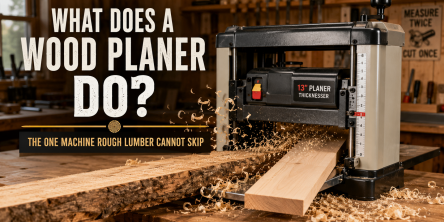
Rough lumber almost never arrives flat, smooth, or a consistent thickness. A board fresh off a sawmill might vary by an eighth of an inch from one end to the other, with saw marks still visible across the surface.

When it comes to selecting a radiator for your home, the choices are vast and varied. From traditional cast iron designs to modern electric radiators, the options can fit any aesthetic or functional need you might have.
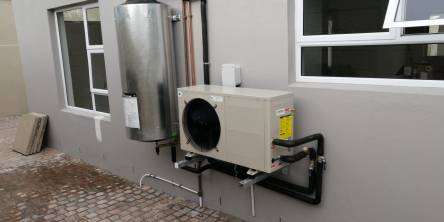
As electricity prices continue to rise, homeowners and businesses are under increasing

As someone who's tested countless Aerosol Cans over the years, from household cleaners to personal care items, I can tell you they're not just containers; they're reliable partners in our daily routines.

After the last box is carried in and the truck pulls away, a new challenge begins—surviving your first night in an unfamiliar home

In the fast-paced world of food service, maintaining a pristine kitchen isn't just about aesthetics - it's about safety, efficiency, and reputation. Commercial kitchens are subject to rigorous health and safety standards, and deep cleaning is crucial to meet these requirements.

So, you've just bought a brand-new AC compressor for your heavy equipment. Maybe your old one gave out during a heatwave on the jobsite, or maybe you’re just trying to stay ahead of the curve before summer hits hard.

In modern construction, woodworking, and DIY projects, power tools are indispensable. Both professional and home workshops use them for their efficiency, versatility, and ability to handle tough tasks.

When household appliances break down, the immediate reaction is often frustration. Attempting a do-it-yourself fix might seem like the quickest and most cost-effective solution. However, these attempts can lead to further damage, increased costs, and even safety hazards without the proper knowledge and precautions.