

Aluminum Aerosol Cans Demystified: From Basics to Expert Hacks
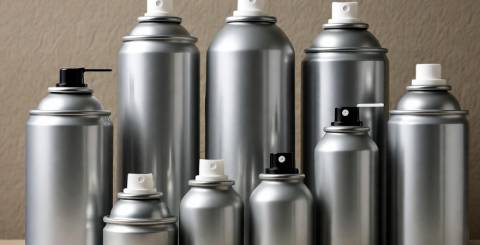
As someone who's tested countless Aerosol Cans over the years, from household cleaners to personal care items, I can tell you they're not just containers; they're reliable partners in our daily routines. Whether you're a consumer spraying on some deodorant in the morning or a business owner looking for efficient packaging solutions, understanding these cans opens up a world of possibilities. Ready to get into it?
Picture this: you're in a rush, grabbing that can of hairspray, and it delivers a perfect mist every time. That's the magic of aluminum aerosol cans. They've come a long way since their inception, evolving into eco-friendly, durable options that many of us take for granted. In this article, we'll break it down from the ground up, sharing insights as if we're chatting over coffee – me as your go-to aerosol cans review expert, and you as the curious reader eager to learn more.
The History and Evolution of Aluminum Aerosol Cans
Let's start with a bit of backstory, because knowing where something comes from often helps appreciate it more. The aerosol can concept kicked off in the 1920s, but it really took off during World War II when canisters were used to protect soldiers from insect-borne diseases like malaria. Fast forward to the 1950s, and aluminum entered the scene. In 1957, aluminum cans started being used commercially, thanks to their malleability which made manufacturing easier. Unlike their steel counterparts, aluminum versions were lighter and more resistant to corrosion – a big win for both producers and users.
From my experience reviewing these products, the shift to aluminum was revolutionary. It allowed for sleeker designs and better pressure handling, which means fewer leaks and more consistent sprays. If you've ever dealt with a rusty old can, you know what I mean! Today, manufacturing involves drawing and ironing processes to shape the aluminum into seamless cans, ensuring they're strong yet lightweight.
Key Benefits of Choosing Aluminum Aerosol Cans
Now, onto the perks – and there are plenty. First off, aluminum aerosol cans are incredibly lightweight, making them easy to handle and transport. This isn't just convenient for us consumers; for businesses, it cuts down on shipping costs big time. Plus, they're recyclable, which aligns with the growing push for sustainability. Did you know recycling one aluminum aerosol can saves enough energy to run a TV for three hours? That's a stat that always blows my mind.
Durability is another standout feature. These cans can withstand high pressures without bursting, thanks to aluminum's strength. As a user, I've dropped them accidentally (oops!), and they hold up remarkably well. Environmentally speaking, they're a step up because aluminum is infinitely recyclable without losing quality. For enterprises sourcing these, it means tapping into a supply chain that's both reliable and green-conscious.
Oh, and let's not forget about barrier properties. Aluminum acts as a shield against light, oxygen, and moisture, keeping contents fresh longer. In my tests, products in aluminum cans maintain their efficacy better than those in plastic alternatives. It's little things like this that make a difference in everyday use.
Exploring Aerosol Cans Products Related to Aluminum Variants
Moving right along, let's talk about the products themselves. Aluminum aerosol cans come in various sizes and shapes, tailored for different applications. You'll find them housing everything from air fresheners to automotive lubricants. As a consumer, I appreciate the standard 200ml cans for personal care – they're compact and fit perfectly in a gym bag.
For household use, larger 500ml cans are common for cleaners and polishes. These products often feature ergonomic designs for better grip, which is a lifesaver when you're scrubbing away. In the medical field, aluminum aerosol cans hold inhalers and sprays, ensuring sterile delivery. Businesses looking to source these can find manufacturers who provide customizable options, from neck sizes to valve compatibilities.
Here's a quick tip I've picked up from years of use: when selecting an aerosol cans product, check the propellant type. Some use compressed air instead of traditional gases, which is better for the environment. It's a small hack, but it makes your choice more eco-friendly without sacrificing performance.
Practical Tips and Little-Known Hacks for Aluminum Aerosol Cans
Alright, time for some insider secrets! As an avid user, I've gathered a few tricks that aren't in the manuals. For starters, to extend the life of your aerosol cans product, store it upright in a cool, dry place. Heat can build pressure inside, leading to uneven sprays – trust me, I've learned this the hard way after leaving one in a hot car.
Another hack: if the nozzle clogs, don't toss the can! Soak the tip in warm soapy water for a few minutes, then rinse and dry. It works like a charm nine times out of ten. For recycling, always ensure the can is completely empty. Shake it to listen for any leftover liquid, and remove the plastic cap if possible. Pro tip: puncture only if your local facility requires it, but most don't nowadays.
When it comes to maintenance, a quick wipe-down after use prevents buildup. And here's something not everyone knows: aluminum aerosol cans can be repurposed creatively. I've turned empty ones into planters or storage for small tools – just make sure they're fully depressurized first!
For businesses, sourcing from reliable suppliers ensures consistent quality. Demand for these cans is high, especially with the rise in personal care products, so planning ahead avoids shortages. It's all about building those connections for steady supply.
Personal Experiences and First-Hand Insights
Sharing from the heart here – as a reviewer, I've put these cans through the paces. One time, I compared aluminum versus tin-plated steel cans for a bug spray test. The aluminum one was lighter, didn't rust after exposure to moisture, and recycled easier. It's insights like these that help consumers make informed choices.
As a user, the convenience is unbeatable. Grabbing a can of cooking spray saves time in the kitchen, and knowing it's aluminum means it's safe and sustainable. For enterprises, I've seen how switching to aluminum cuts waste and appeals to eco-aware customers. It's a win-win, folks!
Common FAQs on Aluminum Aerosol Cans and Related Products
To wrap things up, let's tackle some frequently asked questions. I've compiled these based on queries from fellow users and my own experiences.
Q: Are aluminum aerosol cans safe to use?
A: Absolutely, when used as directed. They're designed to handle pressure safely, but avoid puncturing or heating them.
Q: How do I know if an aerosol can is recyclable?
A: Check local guidelines, but most empty aluminum ones are accepted in curbside recycling. Ensure they're empty to avoid hazards.
Q: What's the deal with aerosol valves in these cans?
A: Aerosol valves are crucial for controlled dispensing. Types include continuous and metered valves, with demand rising due to versatile applications. Suppliers are stepping up to meet needs, offering options that fit various can sizes. For businesses, finding a source that guarantees supply chain reliability is key to satisfying market demand.
Q: Can I refill aluminum aerosol cans at home?
A: Not recommended – it's unsafe and can void warranties. Better to buy new ones or use refillable alternatives if available.
Q: How long do products in aluminum aerosol cans last?
A: Shelf life varies by content, but the can itself preserves freshness well. Check expiration dates on the label.
Q: Are there environmental concerns with these cans?
A: Less so with aluminum, as it's highly recyclable. Recycling reduces emissions significantly. As consumers, opting for recycled-content cans helps even more.
Q: Where can businesses source aluminum aerosol cans and accessories like valves?
A: Look for manufacturers specializing in these – they provide end-to-end solutions, ensuring supply meets your production demands.
There you have it – a deep dive into aluminum aerosol cans that's hopefully left you wiser and more confident. Whether you're using them daily or sourcing for your enterprise, these insights should serve you well. Stay curious!
Similar Articles

Rough lumber almost never arrives flat, smooth, or a consistent thickness. A board fresh off a sawmill might vary by an eighth of an inch from one end to the other, with saw marks still visible across the surface.

Explore the critical role of advanced refrigeration locks in safeguarding product integrity and preventing costly spoilage in commercial settings.

When it comes to selecting a radiator for your home, the choices are vast and varied. From traditional cast iron designs to modern electric radiators, the options can fit any aesthetic or functional need you might have.

As electricity prices continue to rise, homeowners and businesses are under increasing

After the last box is carried in and the truck pulls away, a new challenge begins—surviving your first night in an unfamiliar home

In the fast-paced world of food service, maintaining a pristine kitchen isn't just about aesthetics - it's about safety, efficiency, and reputation. Commercial kitchens are subject to rigorous health and safety standards, and deep cleaning is crucial to meet these requirements.

So, you've just bought a brand-new AC compressor for your heavy equipment. Maybe your old one gave out during a heatwave on the jobsite, or maybe you’re just trying to stay ahead of the curve before summer hits hard.

In modern construction, woodworking, and DIY projects, power tools are indispensable. Both professional and home workshops use them for their efficiency, versatility, and ability to handle tough tasks.

When household appliances break down, the immediate reaction is often frustration. Attempting a do-it-yourself fix might seem like the quickest and most cost-effective solution. However, these attempts can lead to further damage, increased costs, and even safety hazards without the proper knowledge and precautions.