

Essential Window Covering: The Rising Popularity of Roller Shades in Modern Homes
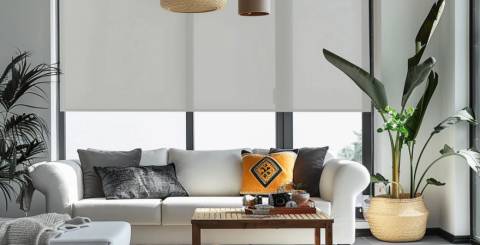
Window coverings serve both aesthetic and functional purposes in interior design. Options such as curtains, blinds, and shutters help regulate natural light, roller shades modern ensure privacy, and enhance energy efficiency. Carefully chosen window treatments not only complement a room’s decor but also improve comfort by controlling temperature and reducing noise. Their role extends beyond mere decoration, contributing to a balanced and inviting atmosphere.
Window treatments also help protect furnishings from sun damage by filtering harmful UV rays. Additionally, they can reduce glare on screens, making work and entertainment spaces more comfortable. With the right selection, homeowners can balance style and practicality, enhancing both the visual appeal and functionality of their interiors.
Roller Shades: A Modern Solution
Roller shades have evolved from simple fabric coverings to sophisticated, versatile window treatments. Modern designs incorporate various materials, patterns, and technologies, including motorization for seamless smart home integration. Enhanced energy efficiency allows them to regulate indoor temperatures while reducing glare, making them an ideal choice for both residential and commercial spaces. Their sleek design and practical benefits contribute to their growing popularity in contemporary interiors.
One key advantage of roller shades is their streamlined appearance, which allows them to fit seamlessly into a variety of interior styles. Whether used in a minimalist setting or a traditional space, these shades provide a clean, unobtrusive window treatment option. Furthermore, their ease of operation, whether manual or automated, ensures a user-friendly experience for all.
Read more: Blinds vs Curtains: Who Wins?
Aesthetic and Functional Appeal of Roller Shades
Modern roller shades seamlessly blend style with functionality. Available in various colors and materials, they suit various interior themes while promoting energy efficiency through eco-friendly fabrics. Innovations in mechanics, such as automated systems, enhance convenience while maintaining a minimalist appeal.
These shades influence interior aesthetics by adding texture, color, and sophistication to a space. Their ability to complement diverse design styles makes them popular among homeowners and designers. The wide range of customization options ensures that individuals can personalize their selections to match their unique tastes and requirements.
For those prioritizing sustainability, many roller shades are now available in environmentally friendly materials, such as recycled fabrics and solar-reflective coatings. These options contribute to reduced energy consumption and a lower carbon footprint, aligning with modern eco-conscious living.
Key Benefits of Roller Shades
- Energy Efficiency & Light Control: Roller shades help reduce energy consumption by minimizing heat gain and loss. Their ability to control natural light enhances indoor comfort and reduces reliance on artificial lighting. Light-filtering and blackout options provide additional flexibility, catering to different lighting needs throughout the day.
- Low Maintenance & Durability: Designed for longevity, roller shades require minimal upkeep. High-quality materials resist wear and tear, ensuring lasting performance with little maintenance. Unlike traditional curtains, which require frequent washing, roller shades can be easily cleaned with a damp cloth or vacuum attachment.
- Versatility in Design: These shades adapt to various window types and interior styles, providing both functional and decorative benefits. Their flexibility makes them a suitable choice for a wide range of design preferences.
- Space-Saving Features: Unlike bulky drapes or layered window treatments, roller shades take up minimal space, making them ideal for compact living areas or modern, streamlined interiors.
The Rising Popularity of Roller Shades
Roller shades have gained traction in modern homes due to their practicality and aesthetic appeal. Interior designers and architects advocate for them as effective light control and privacy solutions. Social media trends, celebrity endorsements, and a shift towards minimalist living have further fuelled their widespread adoption. Their adaptability across different settings makes them a staple in contemporary design.
With more people working from home, window coverings that enhance productivity have become increasingly important. Roller shades help create an optimal workspace by controlling glare and ensuring privacy, making them a favored choice for home offices.
Comparing Roller Shades to Other Window Coverings
- Blinds: Offer adjustable slats for light control but lack the fabric’s soft texture.
- Curtains: Provide warmth and variety in fabric choices but may limit privacy when open.
- Shutters: Deliver excellent insulation and durability but can be more expensive and less flexible in design.
Roller shades stand out due to their affordability, ease of operation, and energy-efficient properties, making them a practical and stylish alternative. Their ability to provide full coverage when needed while remaining discreet when rolled up adds to their appeal.
You May Also Like:
Selecting the Right Roller Shades
Choosing the best roller shades involves assessing factors such as room function, privacy needs, and decor style. Light-filtering options work well in living areas, while blackout shades are ideal for bedrooms. Accurate measurements and fabric selection ensure a proper fit and desired aesthetic. Consulting professionals can aid in making the best choice for specific design requirements.
Other considerations include child safety features, especially for households with young children. Many modern roller shades now come with cordless or motorized options to eliminate potential hazards, offering both convenience and peace of mind.
Similar Articles

Learn 6 practical interior upgrades for your compact roadster, from console shelves to phone mounts, that improve comfort and storage without clutter.

The most reliable way to keep outdoor stone looking its best through spring, summer and fall in 2026 is to match the product to the stain and the surface, rather than rely on a single all-purpose wash

Prepare your condo for professional management with a practical pre-onboarding checklist covering documents, finances, maintenance, and resident communication.

Discover 7 essential questions to ask when choosing a crawl space company for your coastal home, ensuring quality repairs, moisture control, and lasting protection.

A home sauna can sound like a luxury purchase, but for some households it becomes a feature that gets used regularly rather than occasionally. The real question is not whether a sauna is appealing. It is whether the cost makes sense for the way you live.
Learn what to consider before adding a fireplace to an open-plan home, including placement, heat output, furniture, materials, installation and maintenance.

Garage doors are used so frequently that it is easy to overlook the wear and tear they experience. Over time, moving parts can loosen, sensors can become misaligned, and small mechanical problems can develop into expensive repairs.

Most of the decisions that make or break a detached garage happen before a single wall goes up.

If you have ever cleared the dining table for a blow-up mattress, or given up your own bedroom for a week while relatives filled the house, you already understand the problem.