

Blinds vs Curtains: Who Wins?
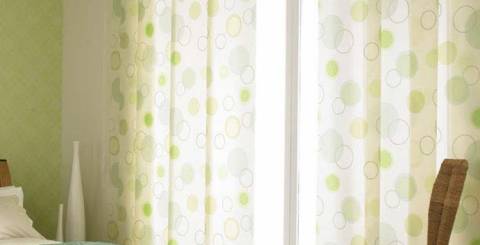
Decorating your home can be one of the most time consuming and difficult tasks, especially given the amount of options available in the current day and age. However, when it comes to redecorating your windows can be one of the most relaxing and enjoyable parts of decorating. There is one question you must answer, as it causes an endless debate, are you going for curtains or blinds? Whatever you choose, whatever materials you prefer and whatever you choose, your home will benefit.
The Décor
There are a few more things that can be aesthetically pleasing than a big, beautiful set of curtains which hang from your window. Curtains are available in all different shapes, sizes, colours and materials, so it is important to have something neutral, or matching to your home decors. If you are looking for something that is truly beautiful, curtains can fall to be the best window treatments. Now you have a division between the style and colour, it is important decide whether you would like to have your shut of light once the curtains are closed, or whether you would prefer something dainty to allow natural light to still seep through. Curtains are important as they can be seen as one of the focal points for any room’s décor.
Blinds are commonly found in businesses and most commercial based properties. Blinds are known to look a little more professional and lower maintenance compared to curtains. Curtains can often be a lot of money, whereas blinds tend to be more affordable, which won’t have the same royal appearance as curtains, but are completely customisable like curtains. Blinds can add the same décor affect to your home, but your window treatments will no longer be the focal point, rather than subtly blends into your home. Available in a host of different colours, shapes, materials and styles, it is important to get the right choice for your window blinds.
Functionality
Both blinds and curtains have the same functionality behind them, which is light control and privacy. Curtains block are known to shut out light, as well as stop those walking by from peering through your home. Curtains add an extra dimension as they are decorative, which can allow you to shine a controlled amount of light and still block out the view from the outside. Whether you choose thick curtains, or lightweight, they can all be adjusted to your needs, but are no longer beneficial once they are wide open. Sheer curtains are normally combined in order to get the benefits once curtains are closed and open.
Blinds are the real winner when it comes to functionality. There adjustable stance, rod manoeuvrability can help you control the exact amount of light that enters your room. Blinds can help you obscure the view, offering the perfect amount of natural light into your home. When it comes to functionality blinds are vastly superior compared to curtains, so again, it entirely falls down to preference, décor and style.
Maintenance
Curtains aren’t something that require consistent cleaning, apart from the times where there may be a little spill or stain. It will important to treat them accordingly, but until then, it’s important to give them a wash every 3-4 months. This will keep your curtains colours and longevity, which is only beneficial when it comes to the price of curtains. Lighter curtains can be washed with any home based washing machines, however if you have larger, thick and heavier curtains, it will need to be dry cleaned.
Blinds can find themselves needed weekly, to monthly cleaning, so it’s important to consistently keep on top of them. Whether you have chosen white fabrics, or louvolite fabrics, which can also add energy efficiency. Blinds can attract large levels of dust, making it difficult for those with dust allergies, so a weekly cleaning session will benefit them massively.
Similar Articles
Rectification of exterior cladding may be required during the lifetime of a building for several reasons: to replace non-compliant cladding/combustible panels, to repair damage, to improve energy efficiency, or to modernise an older building.

A tunnel greenhouse is designed to provide years of growing space, but not every part of the structure has the same lifespan.

Australian hardwood presents a very different challenge from the lighter timber commonly used in many parts of the northern hemisphere.

Why Do Concrete Driveways Turn Orange After Summer Rain? Learn the causes—rust, minerals, irrigation—and how to clean and prevent stains.

DIY mistakes can quickly turn a money-saving project into an expensive repair. Learn how better planning, the right tools and knowing when to call a professional can help you avoid costly setbacks.
Modern bathrooms have evolved from purely functional spaces into relaxing retreats that balance comfort, aesthetics, and practicality.
Bathrooms have evolved far beyond their purely functional role. Today, they're carefully designed spaces that reflect personal style while balancing practicality, durability, and long-term value.
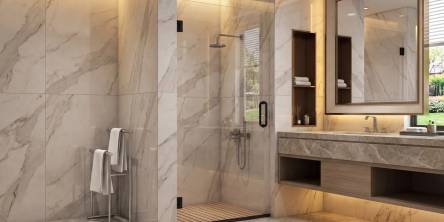
A shower door is one of the most dependable shower enclosure options for homeowners who value durability, affordability, and timeless style.
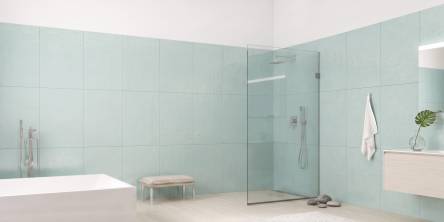
Modern bathrooms are increasingly designed around simplicity, openness, and long-term functionality. One feature that perfectly reflects these priorities is the fixed panel shower screen.