

Enhancing Senior Care: Compassionate Solutions for a Better Life

Providing quality care for seniors, particularly those who have served in the military, requires a specialised approach that addresses both their physical needs and emotional well-being. Home care services play a key role in supporting elderly to live with dignity and comfort in their own homes. These services are tailored to meet unique health requirements and enhance the quality of life for veterans and their families.
Elderlies often face complex health and psychosocial challenges due to their service and ageing. To address these challenges, Veterans Home Care Services can offer comprehensive support designed to improve daily living and foster independence. This approach focuses on compassion, respect, and personalised care planning.
Understanding the Needs of Senior Veterans
Senior citizens may suffer from chronic conditions related to their service, such as musculoskeletal injuries, respiratory issues, or mental health concerns including post-traumatic stress disorder. The provision of care must therefore be multifaceted, incorporating medical, emotional, and social support to address the complex needs of this population.
Home care services enable seniors to remain in familiar surroundings while receiving assistance tailored to their health status. This reduces the need for hospitalisations and residential aged care admissions, promoting a better overall quality of life.
Personalised Care Planning
Effective home care depends on a thorough assessment to identify individual needs and preferences. Care plans are developed in consultation with the seniors, their family, and healthcare professionals. This collaborative approach ensures all aspects of wellbeing are considered, including medical management, mobility support, nutrition, and social engagement.
By ensuring the care plan is responsive and adaptable, veterans receive timely interventions that prevent deterioration and encourage active participation in their care decisions.
Key Components of Veterans Home Care
Home care services typically include assistance with daily living activities such as bathing, dressing, meal preparation, medication management, and mobility support. Additionally, emotional support and companionship are vital to alleviating feelings of loneliness and isolation often experienced by seniors.
Specialist home care providers are trained to understand and address the unique challenges faced by this group, enhancing the effectiveness of home care delivery.
Benefits of Veterans-Specific Home Care
There are numerous advantages to receiving home care that is tailored specifically for veterans. These services often include access to seniors benefits and funding options which can ease financial burdens. Moreover, the tailored care approach strengthens social connections by facilitating appointments, social outings, and family engagement.
By maintaining independence and community involvement, elderlies are more likely to experience improved mental health and overall well-being.
Also Read: Best Features To Look For In A Senior Medical Alert System
Supporting Families and Carers
Families of senior veterans often play an essential role in care provision. Home care services provide vital respite and support for family carers, equipping them with education and resources. This partnership helps reduce caregiver stress and enhances the sustainability of care at home.
Coordination with Healthcare Providers
Integrated care delivery is critical for seniors. Home care providers coordinate closely with general practitioners, specialists, and allied health professionals to ensure seamless management of health conditions. This collaboration facilitates early intervention and effective treatment.
Regular communication among all parties involved helps anticipate changes in health and adapt care plans accordingly.
Community-Based Programmes and Social Inclusion
Home care services often incorporate community engagement activities promoting social inclusion. Participation in group programmes, veteran clubs, or recreational events fosters a sense of belonging and combats isolation.
Maintaining social networks is an important determinant of mental health and quality of life in older age.
Technology Should Available in Veterans Home Care
Advancements in technology have enabled innovative approaches to elderly care. Telehealth consultations, remote monitoring devices, and communication tools support safer and more responsive home care. These technologies enable swift response to emergencies and ongoing health monitoring without requiring frequent travel to clinics.
These innovations contribute to veterans' safety and convenience, allowing them to stay connected with healthcare teams and loved ones.
Challenges and Future Directions
Despite the benefits of home care, certain challenges persist. These include workforce shortages, access disparities, and the need for continuous training in veteran-specific health issues. Future efforts focus on expanding service availability, integrating new technologies, and enhancing community awareness of available support options.
Strategic investment in veteran care infrastructure and policy advocacy remain essential to meeting the growing demand for compassionate senior care.
Conclusion
Enhancing senior care for veterans through compassionate, personalised home care solutions significantly improves their quality of life. These services acknowledge the sacrifices made by veterans and address their unique needs with professionalism and respect. Fostering independence, integrating healthcare, and supporting families together create an environment where elderly veterans can thrive.
The continuous development and promotion of home care services will ensure that seniors receive the support and dignity they deserve in their later years.
Similar Articles
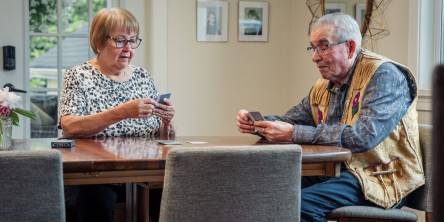
Many seniors aspire to remain in their own homes as they age. With the right strategies, this goal is achievable, supporting both safety and independence.
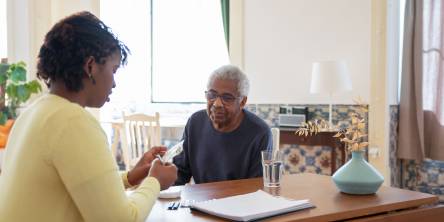
Watching an aging parent struggle with daily tasks is hard. And when independent living is no longer realistic, most families quickly shift to arrange home care

The landscape of elder care is undergoing a profound transformation. As the global population ages at an unprecedented rate, families are increasingly turning to in home care services as a preferred alternative to institutional care facilities.

Caring for a loved one who is a veteran can be both rewarding and challenging. As veterans age or face service-connected disabilities, their needs often become more complex.

As Australia’s ageing population continues to grow, ensuring home safety for elderly individuals has become a top priority. Many older adults prefer to age in place, maintaining their independence while staying in familiar surroundings.
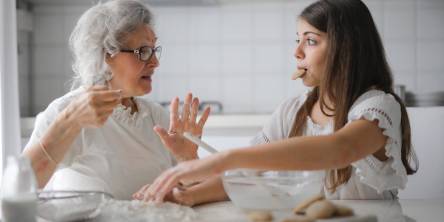
Discover the differences between home care and nursing homes. Learn how to select the best care option for your loved one.

Discover reliable home care services that prioritize safety, comfort, and personalized support for your loved ones. Compassionate care you can trust.

Deciding to place a loved one in a nursing home is a deeply personal decision. Families expect these facilities to provide a safe and nurturing environment, yet for many residents, the reality falls tragically short.

Imagine it’s 2 a.m., and an elderly person is alone at home, gasping for breath or lying on the floor after a fall, unable to reach the phone. It’s a terrifying case, one that plays out more often than we’d like to admit.