

Aging in Place: Practical Tips for Seniors to Stay Safe and Independent at Home
Key Takeaways
- Implementing home safety measures can significantly reduce the risk of falls and injuries.
- Staying socially active and maintaining regular health check-ups contribute to overall well-being.
- Utilizing community resources and technology can enhance safety and independence.
Introduction
Many seniors aspire to remain in their own homes as they age. With the right strategies, this goal is achievable, supporting both safety and independence. Taking early, proactive steps is crucial for reducing risks and ensuring a comfortable environment. For example, adopting fall detection devices is an easy upgrade that provides peace of mind for both seniors and their families.
The desire to age in place reflects the increasing value seniors place on autonomy and familiarity. Yet, maintaining independence requires addressing potential hazards before they become concerns. By making specific changes around the house and using helpful tools, seniors can enjoy a secure, fulfilling lifestyle at home.
These practical adjustments go beyond just physical safety. Staying engaged, active, and connected is equally important for maintaining a high quality of life. Whether someone is planning for themselves or a loved one, utilizing a combination of home modifications, social outlets, and regular check-ups builds a foundation for successful aging.
According to the National Institute on Aging, a majority of adults over 65 wish to remain in their homes, and a growing number of resources exist to help them do so safely and comfortably.
Read more: Round-the-Clock In-Home Care: Understanding its Benefits
Home Safety Measures
Modifying the home is a fundamental step to supporting aging in place. Small hazards like loose rugs or poor lighting can increase the risk of falls, the most common injury among older adults. Key improvements include:
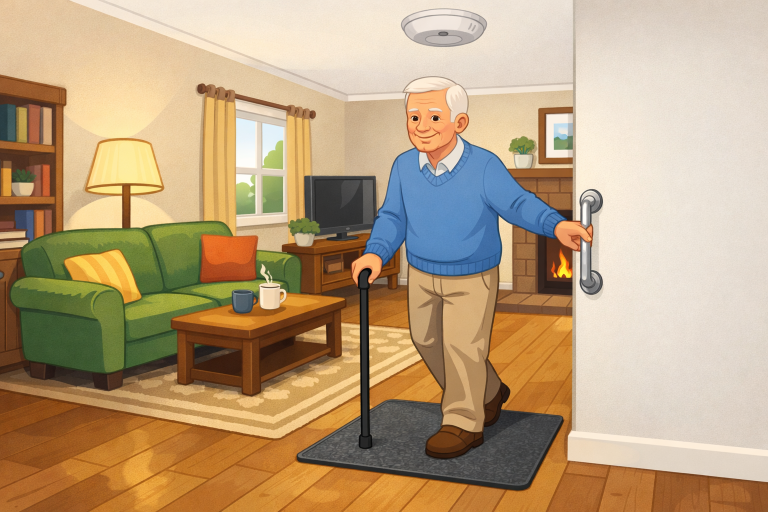
Image source: AI
- Remove tripping hazards: Regularly declutter pathways, secure loose carpets, and tuck away electrical cords.
- Install grab bars: Place sturdy grab bars near toilets, in showers, and at other high-traffic areas to provide extra stability.
- Improve lighting: Ensure all hallways, stairways, and entries are well-lit, with easy-to-access light switches and nightlights.
Taking these steps reduces the chances of accidents and supports confidence in everyday movement around the home. The Centers for Disease Control and Prevention (CDC) notes that prevention is the best strategy for fall-related injuries, especially in seniors.
Additionally, considering fire safety is critical. Installing smoke and carbon monoxide detectors in key areas of the home and testing them regularly can provide early warning in emergencies. Creating a clear emergency exit plan and ensuring that doorways and stairways are easily accessible can provide further peace of mind for both seniors and caregivers.
Simple improvements such as non-slip mats in bathrooms and kitchens, along with adaptive equipment like easy-grip handles or lever-style door hardware, can further assist those with limited dexterity or mobility challenges. These changes, while straightforward and affordable, play a big role in preventing accidents.
Staying Physically Active
Incorporating regular exercise into daily routines not only improves strength and balance but also supports cognitive function and emotional well-being. Activities like walking, gentle stretching, yoga, or tai chi are all excellent for seniors. Even light exercise, such as gardening or dancing, can significantly help maintain independence.
It is essential to consult with a healthcare provider before starting a new physical activity, especially for those with chronic conditions or limited mobility. A professional can help tailor a program that fits specific needs and abilities, ensuring safe participation and long-term benefits.
Many local community centers and senior-focused fitness programs offer group classes or adaptive activities for people at various mobility levels. These options not only keep seniors active but also support social engagement and motivation.
Social Engagement
Loneliness and social isolation can negatively impact mental and physical health. Maintaining strong social connections is vital for seniors. Joining local groups and faith-based organizations, or volunteering, are effective ways to stay socially active. Even regular phone calls or video chats with friends and family make a difference.
Many communities offer clubs, hobby groups, and social events designed for older adults. Participating in these activities promotes a sense of purpose and connection.
Involvement in intergenerational activities, such as mentoring programs or school partnerships, can also be rewarding, giving seniors the chance to share their experiences with younger generations while gaining new perspectives and friendships.
Regular Health Check-ups
Regular medical check-ups enable early identification and management of health conditions, helping seniors proactively manage their health. These appointments are an opportunity to review medications, receive essential vaccinations, and discuss any recent changes in health or mobility.
Routine screening can support overall wellness and provide peace of mind, knowing health concerns are being addressed promptly.
In addition to doctor visits, dental, vision, and hearing screenings should not be overlooked, as problems in these areas can affect independence and safety at home. Preventive care ensures optimal health and helps avoid complications from untreated issues.
Utilizing Technology
Advances in technology have made it easier for seniors to live independently. Medical alert systems and wearable devices can detect falls or emergencies and automatically contact help. Additionally, smart home devices streamline daily tasks such as controlling lighting, setting reminders, and monitoring home security.
- Medical alert systems: Many options provide simple-to-use devices, often worn as pendants or bracelets, that can summon assistance immediately if needed.
- Smart home devices, such as smart thermostats, automatic lighting, and security cameras, add convenience and an extra layer of safety.
Tablets, smartphones, and voice assistants can also help with medication reminders, grocery shopping, and connecting virtually with loved ones. Embracing these tools can reduce anxiety for both seniors and their families, supporting a more independent lifestyle.
Community Resources
A wealth of community resources is available to help seniors live comfortably at home. Services such as transportation for medical appointments, meal delivery programs, and assistance with household chores are often available through local organizations and senior centers.
Reaching out to these resources not only relieves day-to-day burdens but also fosters a sense of connection to the wider community. For a comprehensive list of available services, visiting your local senior center or city website is a helpful starting point.
Support groups for caregivers are also widely available, offering advice, emotional encouragement, and opportunities to share best practices. These services can make a meaningful difference for both seniors and family members, contributing to better overall well-being.
Many local libraries, recreation departments, and hospitals also provide free or low-cost classes, educational workshops, and social outings specifically tailored for older adults.
Conclusion
With careful planning, practical home adjustments, and supportive resources, seniors can confidently maintain their independence and quality of life in their own homes. Early action and a willingness to embrace new tools and social opportunities make aging in place not just possible, but enjoyable and empowering.
Ultimately, fostering an environment where seniors feel safe, engaged, and supported is a collaborative effort that involves family, community, and healthcare professionals. As more resources and innovations become available, the goal of aging in place becomes easier to achieve for everyone.
Similar Articles

Providing quality care for seniors, particularly those who have served in the military, requires a specialised approach that addresses both their physical needs and emotional well-being
Watching an aging parent struggle with daily tasks is hard. And when independent living is no longer realistic, most families quickly shift to arrange home care

The landscape of elder care is undergoing a profound transformation. As the global population ages at an unprecedented rate, families are increasingly turning to in home care services as a preferred alternative to institutional care facilities.

Caring for a loved one who is a veteran can be both rewarding and challenging. As veterans age or face service-connected disabilities, their needs often become more complex.

As Australia’s ageing population continues to grow, ensuring home safety for elderly individuals has become a top priority. Many older adults prefer to age in place, maintaining their independence while staying in familiar surroundings.

Discover the differences between home care and nursing homes. Learn how to select the best care option for your loved one.

Discover reliable home care services that prioritize safety, comfort, and personalized support for your loved ones. Compassionate care you can trust.

Deciding to place a loved one in a nursing home is a deeply personal decision. Families expect these facilities to provide a safe and nurturing environment, yet for many residents, the reality falls tragically short.

Imagine it’s 2 a.m., and an elderly person is alone at home, gasping for breath or lying on the floor after a fall, unable to reach the phone. It’s a terrifying case, one that plays out more often than we’d like to admit.