

What You Need to Know About In Home Care Services in 2026

The landscape of elder care is undergoing a profound transformation. As the global population ages at an unprecedented rate, families are increasingly turning to in home care services as a preferred alternative to institutional care facilities. This shift reflects not only demographic changes but also evolving attitudes about dignity, independence, and quality of life in our later years.
The numbers tell a compelling story. By 2030, all baby boomers will be older than 65, and the senior population is expected to reach 73 million in the United States alone. This demographic wave has created surging demand for care solutions that allow older adults to age gracefully while maintaining their autonomy and connection to their communities.
Understanding the Appeal of in Home Care
The preference for aging in place is nearly universal among older adults. Research consistently shows that more than 90 percent of seniors want to remain in their own homes as they age. This desire stems from deep psychological and emotional needs that extend far beyond simple comfort or familiarity.
Home represents more than just four walls and a roof. It embodies decades of memories, cherished possessions, neighborhood relationships, and hard-won independence. The family photographs on the mantle, the garden lovingly tended over the years, the nearby coffee shop where everyone knows your name these elements comprise an irreplaceable tapestry of identity and belonging.
In home care services honor this fundamental human need while providing the professional support that enables safe, healthy aging. Rather than requiring seniors to adapt to an unfamiliar institutional environment, these services bring skilled care directly to the person's doorstep, allowing them to maintain their routines, their dignity, and their sense of self.
The Spectrum of Care Available
One of the most significant advantages of modern in home care services is their remarkable flexibility. Care plans can be customized to meet each individual's unique needs, circumstances, and preferences, scaling up or down as conditions change.
For some seniors, support might mean a few hours of assistance per week with tasks like grocery shopping, meal preparation, or light housekeeping. Others may require more comprehensive help with activities of daily living, including bathing, dressing, medication management, and mobility assistance. Those with more complex medical needs can access skilled nursing care, physical therapy, or specialized support for conditions like dementia or Parkinson's disease.
This scalability proves invaluable as aging is rarely a linear process. A person who needs minimal assistance today may require more intensive support after a surgery or health setback, then potentially return to greater independence during recovery. Home care adapts to these fluctuations in ways that institutional settings cannot easily accommodate.
Read Also: How Thoughtful Bathroom Remodeling Enhances More Than Just Looks
The Family Caregiver Crisis
Behind the statistics about aging populations lies another crucial reality: family caregivers are stretched to their breaking point. An estimated 53 million Americans provide unpaid care to adults, most commonly elderly parents. These caregivers, often juggling jobs and raising their own children simultaneously, face enormous physical, emotional, and financial strain.
The toll on family caregivers is well documented. Many experience depression, anxiety, compromised immune function, and neglect of their own health needs. The stress of caregiving responsibilities contributes to workplace absenteeism and reduced productivity, with significant economic implications.
In home care services offer desperately needed relief for these devoted family members. Professional caregivers can provide respite care, allowing family members to rest, tend to their own responsibilities, or simply recharge their batteries. This support doesn't replace the family's role but rather complements it, creating a sustainable care ecosystem that prevents caregiver burnout while ensuring the senior receives consistent, high-quality assistance.
Health Outcomes and Quality of Life
Beyond emotional and social benefits, research increasingly demonstrates that in home care services can lead to superior health outcomes compared to institutional care. Seniors receiving care at home often experience fewer infections, better medication compliance, improved mental health, and greater overall satisfaction with their care.
The reasons for these positive outcomes are multifaceted. The familiar home environment reduces stress and confusion, particularly for individuals with cognitive impairments. One-on-one attention from caregivers allows for more personalized, responsive care than is possible in facilities where staff members must divide attention among many residents. The ability to maintain normal routines, sleep in one's own bed, eat preferred foods, and continue valued activities all contribute to better physical and psychological wellbeing.
For individuals recovering from surgery, illness, or injury, the home environment can accelerate healing. Studies have found that hospital readmission rates are often lower among patients who receive professional home care after discharge, as caregivers can monitor for warning signs and ensure proper adherence to recovery protocols.
Economic Considerations
Cost is inevitably a factor in care decisions, and in home care services often present a more economical option than residential facilities. While prices vary significantly based on location, level of care needed, and other factors, home care typically costs less than assisted living or nursing home placement, particularly when round-the-clock care isn't required.
Moreover, remaining at home eliminates various expenses associated with facility living, such as room and board fees, and allows seniors to continue benefiting from the investment they've made in their homes. Many insurance plans, long-term care policies, and government programs now provide coverage or reimbursement for home care services, making this option increasingly accessible.
Also Read: Top Veneer Colour Trends for Luxury Interiors
Technology's Transformative Role
Modern in home care services are being revolutionized by technology. Remote monitoring systems can track vital signs, detect falls, and alert caregivers to potential problems. Medication dispensers provide automated reminders and prevent dangerous errors. Video communication enables virtual check-ins and telemedicine consultations, expanding access to medical expertise without requiring transportation.
These technological innovations enhance safety while extending the period during which seniors can successfully age in place. They also provide peace of mind for family members who may live far away, offering real-time insights into their loved one's wellbeing.
Looking Toward the Future
As our population continues to age and healthcare evolves, in home care services will play an increasingly central role in our continuum of care. The model aligns with contemporary values emphasizing person-centered care, individual choice, and quality of life alongside medical outcomes.
For families navigating the complex landscape of elder care, home care services represent a compassionate, practical solution that honors the dignity and preferences of aging loved ones while providing professional support and family caregiver relief. In an era of rapid change, the simple desire to age comfortably at home remains constant—and these services make that dream achievable.
Similar Articles
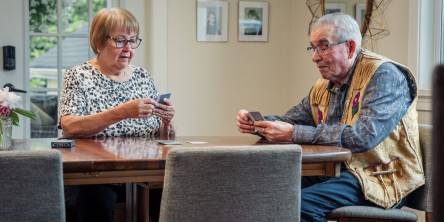
Many seniors aspire to remain in their own homes as they age. With the right strategies, this goal is achievable, supporting both safety and independence.

Watching an aging parent struggle with daily tasks is hard. And when independent living is no longer realistic, most families quickly shift to arrange home care

Caring for a loved one who is a veteran can be both rewarding and challenging. As veterans age or face service-connected disabilities, their needs often become more complex.

As Australia’s ageing population continues to grow, ensuring home safety for elderly individuals has become a top priority. Many older adults prefer to age in place, maintaining their independence while staying in familiar surroundings.

Discover the differences between home care and nursing homes. Learn how to select the best care option for your loved one.

Discover reliable home care services that prioritize safety, comfort, and personalized support for your loved ones. Compassionate care you can trust.

Deciding to place a loved one in a nursing home is a deeply personal decision. Families expect these facilities to provide a safe and nurturing environment, yet for many residents, the reality falls tragically short.

Imagine it’s 2 a.m., and an elderly person is alone at home, gasping for breath or lying on the floor after a fall, unable to reach the phone. It’s a terrifying case, one that plays out more often than we’d like to admit.

The field of adult gerontology nursing is evolving rapidly, driven by demographic shifts, technological advancements, and a growing emphasis on holistic, patient-centered care. As the population ages, the need for specialized nursing care for older adults is becoming more critical