

Efficient Types and Methods of Teeth Whitening
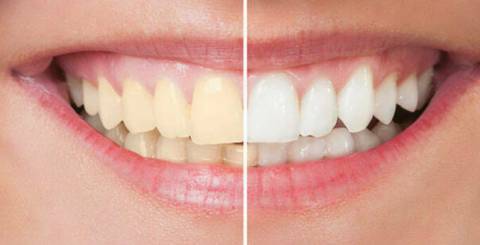
A wide, sincere smile is essential in our daily lives. It is usually easier to interact with kind, smiling folks. We get the impression that they are open to discussion and pleasant toward us. Today, a wide white smile also represents success and happiness.
What if you don't have naturally white teeth? There is no need to despair because cosmetic dentistry provides plenty of solutions to this problem. Here are a few examples:
Teeth whitening: types and methods
Mechanical method
The most basic and long-used procedure for whitening tooth enamel in dentistry is a mechanical cleaning method with specialized attachments. This approach removes plaque and fossilized deposits from teeth and prevents cavities and gum disease. Following the operation, the dentist coats the teeth with a substance to protect the enamel.
Photobleaching
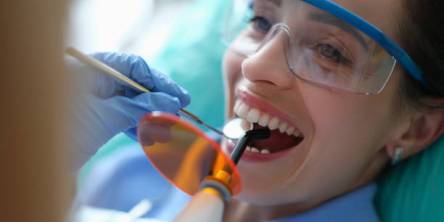
This approach allows for color changes of up to 8 - 10 tones. The dentist applies a whitening gel containing hydrogen peroxide during the procedure and activates it using appropriate radiation. Halogen, UV, and LED (LED lamp irradiation) can all be employed. One operation takes 15 to 30 minutes. Following photobleaching, a fluoride compound is administered to the teeth to minimize sensitivity and protect enamel.
Chemical bleaching
This is one of the gentler procedures, so your teeth will only lighten by 5 to 7 shades. If you're unsure how to whiten your teeth, start with this. The whitening gel is applied uniformly across the enamel. If you do this with a professional, they will use a composition with a high bleaching agent concentration. A rubber plate will protect your gums and sensitive tissues from harm during the procedure. In this situation, neither a laser nor ultraviolet light are used. Chemical bonding is not recommended if the patient has polymer fillings, crowns, or veneers.
In-ear whitening
It is also known as endobleaching. If the tooth is badly darkened, this approach may be used following treatment and root canal filling. The doctor prepares the tooth, inserts a specific substance, and fills it. When the desired result is obtained, the tooth is repaired. This method of whitening can only be performed once.
Laser whitening
If you want to whiten your teeth, only your doctor can tell you which approach is ideal. They will offer the best option for your situation. We may say that laser teeth whitening is currently the safest and most popular way. Its effect is long-lasting. As a result, this method is quite helpful despite its higher cost compared to other procedures.
How can you whiten your teeth at home?
There are many ways to whiten your teeth at home if you want it:
Whitening pencil
This is an excellent method for fast whitening your teeth on the go. The pencil's convenient release method and efficient substance make it simple and invisible to others to apply the whitening solution to the tooth enamel while sitting at a cafe table at work. This device is helpful for those who enjoy coffee and strong tea. The brightening agent's components, which restore a light color to the enamel in about 10 minutes, sustain and extend the effects of therapeutic bonding procedures.
Kappa system
For home use, you can use a custom-made gel with a tray, which is available in dentistry. A simpler pair with a normal mouthguard can be acquired from the pharmacy. With a modest proportion of carbamide or hydrogen peroxide in the gel's composition, teeth can be lightened by 5 to 8 tones.
Stripes
They have a modest concentration of hydrogen peroxide gel. To achieve the best results, the strips must be adhered to the teeth and preserved for the time stated in the instructions. This will brighten the enamel by approximately 3 to 5 tones.
Similar Articles
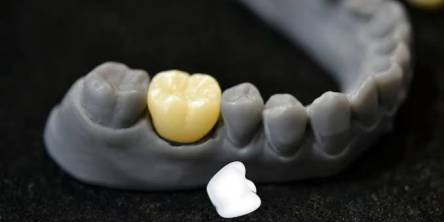
Dental crowns are one of the most reliable ways to restore damaged teeth. Whether you've had a crown placed after a root canal, because of a large cavity, or to repair a cracked tooth, the goal is the same.
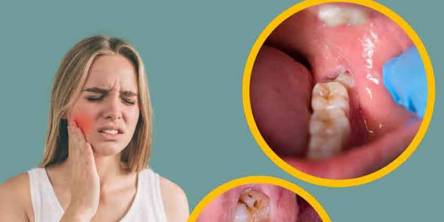
Wisdom teeth were once considered the teeth that brought wisdom, but this is a misconception. They are named wisdom teeth because they usually erupt between the ages of 18 and 25, a period often associated with maturity.
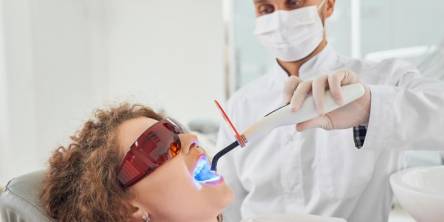
A bright, radiant smile is one of the first things people notice about you, and it can significantly boost your confidence in both personal and professional settings. Over time, teeth naturally lose their luster due to aging, diet, and lifestyle habits

Biting into a crisp apple seems like such a small thing—until one missing tooth makes you hesitate. Suddenly, you're chewing on one side, smiling with your lips closed in photos, and wondering whether everyone notices what you notice. Replacing a missing tooth isn't just about appearance
Gum disease is one of the leading causes of tooth loss in adults. Many people do not realize how serious it can become because the early symptoms often seem minor.
One day, you're biting into a sandwich without a second thought. Next, you're chewing on one side, avoiding mirrors, or wondering when smiling became something you overthink.
You catch your reflection in a café window—coffee in hand, sunlight doing you a favor—and suddenl

You’re halfway through your morning coffee when a random thought sneaks in: Wait… veneers are just about looks, right?

Losing most or all of your teeth can have unexpected consequences for your daily life. Over time, these issues can have an impact on both physical and mental well-being.