

7 Treatment Options for Anxiety
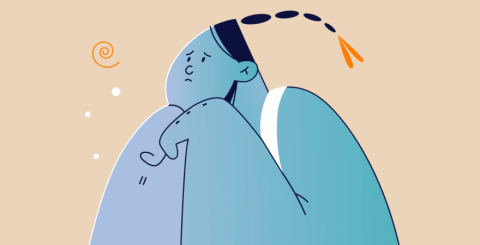
Anxiety is one of the most common issues that affects people worldwide. The constant flow of information, the fast pace of life, the uncertainty of the future, and personal experiences can gradually build up and lead to a feeling of tension. Unfortunately, many people tend to ignore warning signs, considering them temporary or insignificant. It is important to understand that anxiety can be successfully managed. In this article, we have gathered seven effective methods for treating and managing anxiety.
1. Mindful breathing and relaxation techniques
Breathing techniques are among the simplest and most effective methods of anxiety treatment. During anxiety attacks, breathing becomes shallow and rapid, which increases tension in the body. Mindful, slow breathing signals to the nervous system that there is no danger.
Regularly practicing deep breathing, progressive muscle relaxation, or visualization helps reduce stress, normalize your heart rate, and improve your overall well-being. Even just a few minutes a day can make a noticeable difference.
2. Managing your thoughts
Anxiety is often accompanied by negative and obsessive thoughts. Those affected constantly imagine the worst-case scenarios, exaggerate problems, and underestimate their abilities. Recognizing this is the first step toward change. It's helpful to acknowledge anxious thoughts and analyze them. This approach will gradually help you change your mindset and reduce emotional stress.
3. Physical activity
Exercise plays a vital role in mental health. Physical activity releases endorphins, hormones that improve mood and reduce anxiety. People with a sedentary lifestyle are more prone to anxiety and tension.
Regular walking, jogging, swimming, yoga, or dancing not only strengthens the body but also helps clear the mind. It's important to choose an activity that you enjoy and don't feel like an obligation.
4. Regular sleep and rest routine
Lack of sleep directly impacts anxiety levels. A tired body is less able to cope with stress, and the nervous system becomes more sensitive to stimuli. Many people sacrifice sleep for work or leisure without realizing the consequences.
To improve your mood, it's important to go to bed and wake up at the same time every day, avoid using electronic devices before bed, and create a comfortable resting environment. Herbal teas and aromatherapy can also help you rest and relax. Sufficient sleep helps recharge your energy and strengthens your resilience against anxiety.
5. Healthy diet
Your diet also influences your mental well-being. Too much caffeine, sugar, and processed foods can exacerbate anxiety and cause mood swings. A balanced diet, on the other hand, supports the function of the nervous system. Eating vegetables, fruits, whole grains, nuts, and omega-3 fatty acids can improve your well-being. Regular meals and adequate fluid intake are also important.
6. Seeking professional help
In some cases, anxiety can be so intense that it can no longer be managed alone. In such situations, it's important to seek professional help immediately. A psychologist or psychotherapist can help you understand the causes of your anxiety and find treatment like cognitive behavioral therapy, acceptance and commitment therapy, or exposure therapies.
Professional help enables you to understand your feelings better, learn new coping strategies, and significantly improve your quality of life. Regular professional development leads to sustainable and long-term results.
7. Support and communication
Loneliness can significantly intensify anxiety. When someone withdraws and doesn't share their worries, inner tension increases. The support of loved ones helps them feel heard and understood.
Conversations with friends or family, as well as participating in support groups, can reduce anxiety and strengthen feelings of support. It's important to know that asking for help is not a sign of weakness, but an act of self-care.
The bottom line
Many people believe that anxiety is unavoidable and something you simply have to live with. However, there are actually many ways to reduce its impact and regain inner peace. Mindful breathing, physical activity, healthy sleep, a balanced diet, and support from a therapist can help cope with anxiety and improve your well-being.
Similar Articles

Anxiety is one of the most common mental health conditions today. The fast pace of life, the constant flow of information, social pressure, and uncertainty about the future lead to inner tension for many people.

Fear is a natural reaction of the body to stress, which sometimes helps a person get used to difficult situations and warns of possible dangers. However, in modern life, where stressors occur at almost every stage, anxiety can become chronic and negatively affect daily life.
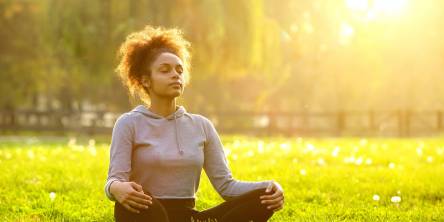
Anxiety is a normal part of life. It's the outcome of being overworked. However, worry caused by stress is not always a bad thing. It warns you of danger, pushes you to stay organized and ready, and aids in risk assessment.

Anxiety is a normal human emotion that everyone experiences from time to time. It is often characterized by feelings of unease, worry, fear, or apprehension about upcoming events or uncertain situations. Anxiety becomes a concern when it is excessive, persistent, and interferes with daily life.
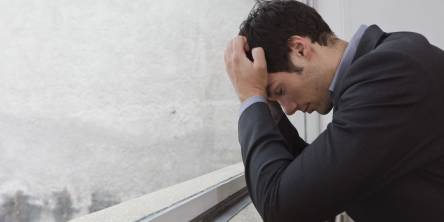
Anxiety is a widespread mental health problem that affects many people all over the world. It is characterized by worry, tension, and fear, which can interfere with normal life. While anxiety is reasonable in some situations, severe and chronic anxiety can be exhausting and require professional support.

With the COVID pandemic entering its second year, many of us have to cope with the ongoing stress of anxiety, depression, fear, and many other issues.

For far too long, society has been putting pressure on us to avoid most of our emotions. Out of the five core emotions - fear, hurt, anger, sadness, and joy - the emphasis tends to be on the last one.

Anxiety is a feeling of worry or fear. We are all aware of this feeling, and depending on what is causing the anxiety, it can be mild or severe. However, when anxiety becomes long-lasting and one is unable to get rid of it, it can impact a person’s daily functioning.
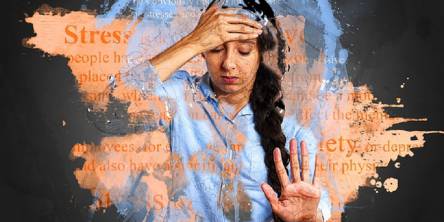
Are you in a problem with anxiety? This is the article where you will learn how to more effective your anxiety treatment.