

8 Myths About Anxiety

Anxiety is one of the most common mental health conditions today. The fast pace of life, the constant flow of information, social pressure, and uncertainty about the future lead to inner tension for many people. However, numerous myths surrounding anxiety prevent those affected from understanding it correctly and seeking help quickly. In this article, we have gathered eight common myths about anxiety.
1. Anxiety is just a character flaw
One of the most dangerous myths is the assumption that anxiety only affects weak or insecure people. In fact, anxiety is a natural reaction of the nervous system to stress, threat, or uncertainty. It can occur in people of all ages, genders, and levels of success. Even strong, determined, and seemingly self-confident people can suffer from intense anxiety. This is not a weakness, but a characteristic of the psyche.
2. If you are anxious, there is a valid reason
Many people believe that anxiety is always justified and inevitably linked to a real danger. In reality, anxiety often arises without any objective threat. The brain can perceive everyday situations as dangerous and trigger the fight-or-flight response. This is why you might feel anxious before a normal conversation, a trip, or even during leisure activities, even though there is no real threat.
3. Anxiety can disappear on its own
There's a common misconception that anxiety will disappear on its own if ignored. However, in most cases, suppressing anxiety only intensifies it. Unprocessed emotions build up and can lead to chronic anxiety, panic attacks, insomnia, and psychosomatic conditions. It's important not to tolerate anxiety, but to understand and process its causes.
4. Anxiety only affects adults
Many believe that anxiety is a problem for adults overwhelmed by worries and responsibilities. In fact, anxiety disorders are widespread among children and adolescents. Exams, parental pressure, and difficulties interacting with peers can trigger intense anxiety. Early detection of anxiety in children can help prevent serious problems in adulthood.
5. Anxious people simply overthink
Anxiety is often accompanied by obsessive thoughts, but the problem lies not in the thinking itself, but in the brain's information processing. In anxiety disorders, thoughts become distorted: one tends to exaggerate dangers, assume the worst, and get lost in negative scenarios. This isn't just "overthinking," but a specific brain mechanism that can be influenced.
6. Anxiety is uncontrollable
Some believe that once an anxiety disorder develops, nothing can be done about it. This isn't true. While anxiety doesn't disappear overnight, there are effective methods to alleviate it: psychotherapy, breathing techniques, physical activity, lifestyle changes, and, if necessary, medication. With the right approach, anxiety can be significantly reduced, and one can learn to manage it.
7. Medication is the only treatment option for anxiety disorders
Many people are reluctant to seek help because they fear simply being prescribed pills. In fact, medication isn't always used and doesn't work for everyone. In mild to moderate cases, anxiety can be treated with psychotherapy, especially cognitive behavioral therapy. Medication can be helpful, but it's only one part of a comprehensive anxiety treatment and not the sole solution.
8. If you have anxiety, you'll never be able to live a normal life
This myth is especially frightening for people with an anxiety disorder. It's important to understand that millions of people worldwide lead fulfilling, active, and happy lives despite anxiety. Recognizing the problem, seeking professional support, and working on yourself can help you regain control of your life and improve your quality of life.
The bottom line
Anxiety is a complex yet understandable condition surrounded by many misconceptions. Myths prevent people from seeking help quickly and exacerbate feelings of shame and loneliness. It's important to understand that anxiety is not a weakness and not imaginaty disease. With the right approach, it can be managed and improve your emotional well-being as well as your overall quality of life.
Similar Articles
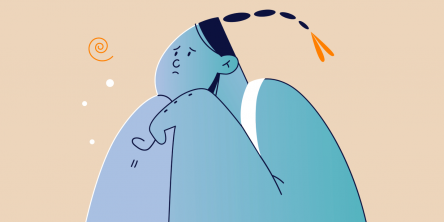
Anxiety is one of the most common issues that affects people worldwide. The constant flow of information, the fast pace of life, the uncertainty of the future, and personal experiences can gradually build up and lead to a feeling of tension.

Fear is a natural reaction of the body to stress, which sometimes helps a person get used to difficult situations and warns of possible dangers. However, in modern life, where stressors occur at almost every stage, anxiety can become chronic and negatively affect daily life.

Anxiety is a normal part of life. It's the outcome of being overworked. However, worry caused by stress is not always a bad thing. It warns you of danger, pushes you to stay organized and ready, and aids in risk assessment.

Anxiety is a normal human emotion that everyone experiences from time to time. It is often characterized by feelings of unease, worry, fear, or apprehension about upcoming events or uncertain situations. Anxiety becomes a concern when it is excessive, persistent, and interferes with daily life.

Anxiety is a widespread mental health problem that affects many people all over the world. It is characterized by worry, tension, and fear, which can interfere with normal life. While anxiety is reasonable in some situations, severe and chronic anxiety can be exhausting and require professional support.

With the COVID pandemic entering its second year, many of us have to cope with the ongoing stress of anxiety, depression, fear, and many other issues.

For far too long, society has been putting pressure on us to avoid most of our emotions. Out of the five core emotions - fear, hurt, anger, sadness, and joy - the emphasis tends to be on the last one.

Anxiety is a feeling of worry or fear. We are all aware of this feeling, and depending on what is causing the anxiety, it can be mild or severe. However, when anxiety becomes long-lasting and one is unable to get rid of it, it can impact a person’s daily functioning.
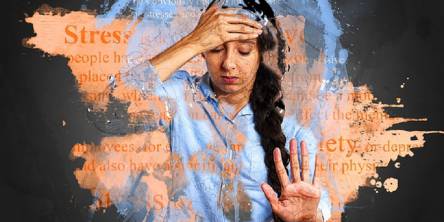
Are you in a problem with anxiety? This is the article where you will learn how to more effective your anxiety treatment.