

6 Key Steps to Achieve Success When Creating Your Custom Home

Here's the thing about building a custom home, it's probably the largest check you'll ever write, and yet so many people dive in without a solid game plan. The result? Budgets that spiral out of control and timelines that stretch into eternity.
Check this out: in 2024, custom homes made up 17.5% of all new single-family starts. That's a lot of folks betting on personalized spaces instead of the same old tract homes. This guide walks you through battle-tested custom home building steps that'll keep you from falling into the traps that snag most first-time builders.
Step 1: Define Your Vision and Lifestyle Requirements
Look, you can't build something amazing if you don't know what "amazing" means to you. Sounds obvious, right? Yet countless people charge ahead with fuzzy concepts, only to smack themselves in the forehead midway through when they realize they've skipped something crucial.
Assess Your Current and Future Needs
Don't just think about it right now. Where will you be in ten years? Kids on the way? Maybe your parents will need a main-floor suite eventually. Or perhaps your boomerang kids might circle back home someday.
And let's talk about remote work. A real office beats a flimsy desk wedged into a hallway corner every single time. The same goes for hobbies, whether you're into woodworking, painting, or pumping iron, plan space that actually works.
The Colorado Springs region is something special. From Monument's elevated terrain to Black Forest's ponderosa pines, the landscape practically begs for thoughtful custom design that celebrates natural beauty. If you're building in this area, partnering with Elk Ridge Custom Homes helps you weave local landscape character into your blueprint while navigating the area's unique building requirements.
Create a Comprehensive Wish List
Separate your absolute must-haves from the "wouldn't that be nice" items. Trust me, when money gets tight later, you'll thank yourself for this clarity. Outdoor living spaces? They're basically free square footage. And storage, always, always plan more than you think you need. It's never enough.
Develop Your Design Inspiration Portfolio
Pinterest and Instagram are gold mines for collecting ideas. But here's what photos can't show you: how a space actually feels when you're standing in it. Visit real homes whenever you can swing it. Match your architectural style to your surroundings. And plan smart home tech from day one, retrofitting it later is a nightmare and crazy expensive.
Step 2: Establish a Realistic Budget and Financial Strategy
Money is where dreams meet reality. Hard. Knowing your true costs before breaking ground saves you from those gut-wrenching moments when construction grinds to a halt because you've run out of cash.
Understand True Custom Home Building Costs
Costs bounce around like crazy depending on where you're building and what finishes you pick. Figure somewhere between $200 and $500+ per square foot as a starting point. Site prep gets overlooked constantly. And those permits, inspections, and professional fees? They can gobble up 10-15% of your total budget before you've hammered a single nail.
Explore Financing Options for Custom Builds
Construction loans aren't your typical mortgage. They usually flip over to permanent financing once your home is finished. Shop around with multiple lenders early on. Their rules might shape your timeline and how you pay contractors throughout the build.
Implement Budget Tracking Systems
Grab a spreadsheet or project management tool and track every penny. Change orders, those mid-construction tweaks you'll inevitably make, can absolutely demolish a budget if you're not watching. Stash away 15-20% for contingencies. You'll likely need it, but hey, if you don't, that's money for upgrades or furniture.
Step 3: Select the Perfect Location and Land
Your land choice ripples through every aspect of your home and your daily life. Rush this decision, and you'll regret it every time you pull into your driveway for the next thirty years.
Evaluate Land Suitability for Construction
Soil testing isn't a maybe, it's essential. Terrible soil means pricey foundation fixes that'll wreck your budget faster than anything else. Study the topography carefully. Sloped lots deliver incredible views, but man, the site prep costs can sting.
Research Zoning and Building Regulations
Every town plays by different rules about what you can build and where it can sit. HOAs can be even pickier than city codes. Get crystal clear on setback requirements and easements before you fall in love with a design that won't pass approval. Research future development plans too, they affect your property value and whether your view stays pristine.
Consider Long-Term Location Factors
School districts impact resale value even if kids aren't in your picture. That commute you're eyeing? It seems doable until you're grinding through it five days a week for years. Climate shapes both how you build and what maintenance you'll face down the road. Natural disaster risks should absolutely influence your design and insurance decisions.
Step 4: Assemble Your Expert Dream Team
You need a crew. Period. The right team transforms this from a stress-fest into a project you'll actually enjoy.
Choose the Right Custom Home Builder
Dig deep into portfolios and visit finished projects if possible. Verify licenses and insurance, boring stuff, but it protects you from major headaches. Know whether they work cost-plus or fixed-price. This affects your financial exposure and how flexible you can be with changes. And communication style? It matters more than most people realize since you'll be in constant contact for months.
Select a Qualified Architect or Designer
Find someone who specializes in the style you're after. 3D visualization skills help you see exactly what you're getting instead of guessing from flat drawings. Experience working with builders smooths everything out. Knowledge of sustainable design can slash your utility bills for decades to come.
Engage Essential Specialists
Complex builds often need structural engineers to make sure everything's safe and actually buildable. Interior designers pull together a cohesive look that flows throughout your space.
Landscape architects blend outdoor areas seamlessly with your home's design. Energy consultants spot efficiency opportunities that keep paying you back year after year.
Step 5: Master the Custom Home Planning Process
Planning goes way deeper than pretty sketches. It's the technical blueprint for your entire build. Cut corners here and you'll pay dearly when custom home planning mistakes become painfully obvious later.
Develop Detailed Architectural Plans
Floor plans need multiple rounds of refinement to nail the flow and function. Single-family home construction jumped 6.5% in 2024 as builders scrambled to add inventory in a market squeezed by affordability challenges from high mortgage rates and construction costs.
Elevation drawings capture your exterior vision, while electrical, plumbing, and HVAC plans ensure everything fits without conflicts. Structural specs guarantee your home won't just look amazing, it'll stand strong for your grandkids.
Integrate Smart Home Technology from the Start
Whole-home automation needs infrastructure that's basically impossible to add after walls go up. Network cabling and WiFi planning eliminate those frustrating dead zones. Security integration works so much better when planned during construction versus patched in later. Energy management systems can seriously dent your monthly bills.
Plan for Sustainable and Energy-Efficient Features
Solar readiness means proper roof orientation and structural support from the get-go. High-performance insulation and air sealing slash heating and cooling expenses. Energy Star appliances and fixtures cost more upfront, but the monthly savings add up fast. Water conservation systems make sense for both your wallet and the planet.
Step 6: Navigate Permits and Regulatory Approvals
Paperwork isn't sexy compared to picking tile and paint colors, but skipping proper permits creates legal nightmares you don't want. This phase requires patience and obsessive attention to detail.
Secure Necessary Building Permits
The application process usually takes 4-8 weeks, though your mileage may vary by location. You'll need detailed plans, engineering specs, and site surveys at a minimum. Sometimes you'll need variance requests when your dream design doesn't quite match zoning rules. Never assume anything, confirm every requirement directly with your local building department.
Schedule Mandatory Inspections
Inspections hit specific construction milestones. Foundation and footing checks happen before framing can start. Rough-in inspections cover electrical, plumbing, and HVAC before drywall goes up. The final inspection and certificate of occupancy are your last gates before legally moving in.
Ensure Regulatory Compliance
Energy code compliance changes by state, but it's not negotiable. ADA accessibility requirements might apply depending on your circumstances. Fire safety rules affect material choices and escape routes. Septic approvals need separate permitting if municipal sewer isn't available.
Advanced Custom Home Success Tips for Modern Builders
Beyond basics, these custom home success tips incorporate cutting-edge strategies that separate extraordinary homes from merely decent ones.
Embrace Virtual Design Technology
3D rendering and VR walkthroughs let you experience spaces before construction starts. Building Information Modeling catches conflicts before they become expensive disasters.
Digital material tools show how finishes work together. Remote collaboration platforms keep everyone connected regardless of geography.
Incorporate Wellness-Focused Design
Indoor air quality systems deliver health benefits that traditional HVAC misses. Natural lighting designed around circadian rhythms improves sleep quality and mood. Non-toxic materials eliminate off-gassing worries. Biophilic design elements connect you with nature even when you're inside.
Final Thoughts on Building Your Custom Home
Creating a custom home takes meticulous planning, honest budgeting, and a whole lot of patience through the construction marathon. These 12 steps give you a proven roadmap from initial daydreams through unpacking boxes. Success hinges on building the right team, keeping communication flowing, and making informed choices at every fork in the road.
Don't rush planning, time spent upfront prevents expensive mistakes when construction is rolling. Your custom home should mirror your lifestyle perfectly while delivering lasting value. Jump in informed, stay flexible when challenges pop up, and you'll land in a home that blows past your expectations.
Your Custom Home Questions Answered
1. How much should I budget beyond the construction contract price?
Budget an extra 20-25% on top of your base contract for permits, landscaping, utility hookups, furnishings, and the inevitable change orders that crop up during construction.
2. When should I start making finish selections?
Start researching during the design phase, but most actual selections happen in the first 2-3 construction months to prevent delays in material ordering.
3. Can I live on-site during construction?
Living on-site isn't recommended due to safety issues, missing utilities, and disruption to the build process that can stretch timelines significantly.
Similar Articles

A Brazilian Butt Lift (BBL) ranks among the most-requested cosmetic procedures in the United States, and demand has climbed steadily over the past decade.
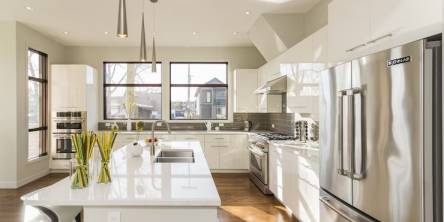
The housing market in 2026 is not the frenzied seller's market of 2021.

Running a household can look easy from the outside. There's a beautiful home.

For a long time, the housing market has been facing a big problem.

Many individuals and families find themselves burdened by the accumulation of possessions, overwhelming clutter, and the responsibilities that come with maintaining a larger living space
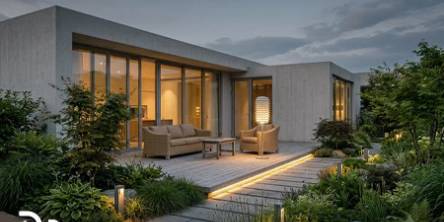
Discover how outdoor lanterns boost curb appeal, light pathways safely, and create a warm, welcoming glow for your home's entrance and patio.

Fire safety is one of the most important responsibilities for HMO landlords. Among all fire protection measures, fire doors play a critical role in protecting tenants and reducing the spread of fire and smoke throughout a property.

Learn how to move a mattress safely with these 5 practical tips. Protect your mattress from damage, avoid common moving mistakes, and make your move easier and stress-free.

An international move looks easy on paper. Pack, ship, fly, unpack. Then you start reading the fine print and realize how many small things can quietly throw the whole plan off.