

How Storm Damage Restoration Works From Emergency Board-Up to Repairs
The Comprehensive Restoration Process
When a storm hits, the aftermath can be overwhelming. Storm damage restoration is the process of bringing your property back to its original condition after severe weather. This isn't just about fixing what you see; it's a detailed approach that starts the moment damage occurs. The goal is to make your home safe and sound again.
This process involves several key steps. First, there's an assessment to figure out exactly what needs fixing. Then, emergency measures are taken to stop further damage. After that comes the actual repair work, which can be quite involved. Throughout it all, clear communication is key.
We follow a systematic approach to storm damage restoration. This includes removing debris, drying out wet areas, fixing structural issues, and dealing with any secondary problems like mold. Our aim is to get your property back to normal as quickly as possible.
The Critical Role of Timely Response
Time is really important when dealing with storm damage. The longer you wait, the worse things can get. Water can spread, structures can weaken, and mold can start to grow. That's why acting fast is so important.
Immediate action can prevent minor issues from becoming major disasters. Emergency services are available around the clock to help. They can secure your property quickly, stopping more damage from happening. This rapid response is a big part of effective storm damage restoration.
Waiting too long can lead to more costly repairs and a longer recovery time. Getting professionals involved right away makes a big difference in the final outcome.
Assessing the Full Extent of Damage
Before any work can begin, a thorough assessment of the storm damage is needed. This helps identify all the problems, both the ones you can see and the ones hidden away. A good assessment is the first step to a solid repair plan.
During the assessment, professionals will look for things like water intrusion, structural weaknesses, and any damage to the exterior. They'll also check for hidden issues that might not be obvious at first glance. This detailed inspection is vital.
This evaluation helps determine the scope of the restoration needed. It guides the entire repair process and helps in planning the necessary steps to bring your property back to its pre-storm condition. A proper assessment is a cornerstone of successful storm damage restoration.
Immediate Actions for Property Protection
Emergency Board-Up Services
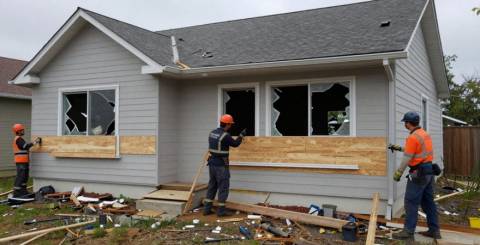
When a storm hits hard, your property can be left exposed and vulnerable. Emergency board-up services are the first line of defense against further damage and unwanted intrusions. This process involves quickly securing broken windows, damaged doors, or holes in walls with sturdy materials like plywood. It's not just about keeping the weather out; it's also about preventing theft and vandalism. A property that looks damaged can attract trouble, but a properly secured building sends a clear message that it's being cared for. This immediate action is vital for protecting your assets and maintaining safety.
-
Prevents weather intrusion (rain, wind, snow)
-
Deters vandalism and theft
-
Secures unstable structural elements
-
Minimizes further property damage
Acting fast with emergency board-up services can significantly reduce the overall cost and complexity of the restoration process. It shows responsible property management to insurance companies, potentially speeding up claims.
Tarping Damaged Roofs
A damaged roof is a major weak point after a storm. Rain and wind can pour into your home or business through holes or missing shingles, leading to widespread water damage inside. Tarping a damaged roof is a temporary but critical step to prevent this. Professionals use heavy-duty tarps and secure them tightly to cover the affected areas. This temporary measure stops water from entering, protecting your ceilings, walls, and belongings from further harm. It's a quick fix that buys you time for permanent roof repairs.
Securing Exposed Areas
Beyond just the roof and walls, storms can expose other parts of your property. This might include damaged garages, sheds, or even just large openings where doors or windows used to be. Securing these exposed areas is just as important as board-up and tarping. It involves assessing all potential entry points for water, wind, and pests and taking steps to seal them off. This might mean boarding up a damaged garage door or covering a compromised foundation opening. The goal is to create a protective barrier around the entire property, limiting the storm's ability to cause more damage until full restoration can begin.
Mitigating Further Damage After a Storm
After the initial shock of a storm, the next critical step is stopping any damage from getting worse. This phase is all about quick action to protect your property from the elements and prevent secondary problems that can arise from the initial impact. Addressing water intrusion and structural weaknesses right away is key to a smoother restoration.
Water Extraction and Drying Techniques
Standing water and dampness are breeding grounds for trouble. Prompt water extraction is vital. Professionals use powerful pumps and vacuums to remove as much water as possible from flooded areas. Following extraction, the focus shifts to drying. Specialized equipment like industrial dehumidifiers and air movers are brought in to pull moisture out of the air and building materials. This process needs to be thorough; even hidden moisture in walls or under floors can cause significant issues later on. Proper drying prevents the growth of mold and preserves the integrity of your home's structure.
Preventing Mold Growth
Mold can start to grow in as little as 24 to 48 hours after water exposure. To prevent mold growth, it's important to not only remove standing water but also to dry out affected materials completely. Antimicrobial treatments are often applied to surfaces that have been wet to inhibit mold spores. Improving ventilation and airflow in affected areas also plays a big role. Sometimes, this might mean temporarily removing damaged materials like drywall or insulation that can trap moisture. Addressing the source of the water intrusion is also a part of mold prevention.
Debris and Tree Removal
Storms often leave behind a mess of fallen branches, leaves, and sometimes entire trees. This debris can block drainage systems, leading to water pooling and further damage. It can also pose a safety hazard and prevent access to your property for assessment and repairs. Professional teams have the equipment to safely remove large debris, including trees, from your home and yard. Clearing this material quickly helps to reduce the risk of additional damage and makes the area safer for everyone involved in the restoration process. This step is a necessary part of mitigating further damage.
Structural Repairs and Reconstruction
Restoring Structural Integrity
After a storm, the very bones of a building can be compromised. This means checking the foundation, walls, and roof for any signs of weakness. The goal is to make sure everything is stable before any permanent fixes begin. Professionals will look for cracks, shifts, or sagging that might not be obvious at first glance. This step is all about safety and making the building sound again.
Sometimes, damage isn't just on the surface. Water can get into places you can't see and weaken materials over time. Restoration teams use special tools to find these hidden problems. They need to fix these issues to prevent bigger problems down the road. Restoring structural integrity is a key part of the whole process.
Think of it like a doctor checking for internal injuries after an accident. You can't just patch up the visible cuts. You need to make sure the bones and organs are okay. That's what structural repairs are all about for your property. It's about getting it back to being solid and safe.
Replacing Damaged Materials
Once the structure is sound, it's time to swap out what the storm broke. This often means new drywall, insulation, and flooring, especially if water got in. Replacing these parts stops mold from growing and keeps the building strong. It's like replacing rotten wood in a house; you can't just paint over it.
Roof repairs are a big part of this. Missing shingles might need replacing, or maybe the whole roof needs to come off and start fresh. It depends on how bad the storm was. The aim is to get the roof back to doing its job, keeping the weather out. This is a critical part of storm damage restoration.
It's not just about what you can see inside. The outside matters too. Siding, windows, and doors might need replacing. The idea is to match what was there before, if possible, so the house looks like itself again. This makes the property feel like home once more.
Repairing Exterior Elements
Storms can really beat up the outside of a property. Think about siding that's been ripped off, windows that are cracked, or doors that won't close right anymore. These aren't just cosmetic issues; they let more weather in and can lead to more damage inside. Fixing these exterior elements is a big part of getting things back to normal.
Professionals will try to match the materials to what you already have. This keeps the look of your home consistent. If you have a certain type of siding, they'll try to find more of it. It's about making the repairs blend in. This helps restore the property's curb appeal and value.
This part of the job also includes things like gutters and downspouts. If they're bent or broken, they can't direct water away from the foundation. Fixing or replacing them is important for preventing future water problems. It's all connected when it comes to storm damage restoration.
Navigating Insurance Claims for Restoration
Dealing with storm damage is tough enough without adding the headache of insurance paperwork. It’s a process that requires attention to detail and a clear understanding of your policy. Many homeowners find themselves unsure of where to start when it comes to filing a claim after a storm has hit their property. This section aims to simplify that process, offering practical advice for homeowners.
Documenting Storm Damage for Claims
Thorough documentation is your best friend when it comes to insurance claims. Start by taking pictures and videos of all damage immediately after the storm. Capture everything, from the big stuff like a hole in the roof to smaller issues like water stains on the ceiling. Keep a detailed list of all damaged items, including their age and estimated replacement cost if possible. Save all receipts for any emergency repairs you make, as these are often reimbursable. This detailed record-keeping helps build a strong case for your claim and prevents disputes later on.
Working with Insurance Adjusters
When the insurance adjuster arrives, it’s beneficial to have a restoration professional present. They can help identify damage that might be missed by someone unfamiliar with storm damage restoration. Be prepared for the initial assessment; sometimes, the first offer doesn't cover the full cost of repairs. It’s okay to negotiate if you believe the assessment is inaccurate or incomplete. Provide the adjuster with all the documentation you’ve gathered. Clear communication with the adjuster is key to a smooth claims process. Remember, the goal is to get your property back to its pre-storm condition.
Understanding Policy Coverage
Every insurance policy is different, and understanding what yours covers is vital. Most policies do cover storm damage, but the specifics, like coverage limits and deductibles, can vary widely. Don't hesitate to review your policy thoroughly or ask your insurance agent for clarification. Knowing your coverage upfront can prevent surprises and help you budget for any out-of-pocket expenses. Some policies might have specific requirements for reporting damage or making temporary repairs, so it's important to be aware of these details to avoid claim denial. This knowledge is part of successful storm damage restoration.
Specialized Restoration Considerations
Commercial Property Restoration Challenges
Restoring a commercial property after storm damage presents unique hurdles. The primary concern is minimizing business interruption. This means getting operations back online fast, often requiring phased restoration approaches. Building codes for commercial spaces are usually stricter, demanding compliance with current standards, which might mean upgrades beyond simple fixes. Effective coordination with business owners is key to keeping things running.
Commercial properties often have complex systems. Large-scale equipment, specialized HVAC, and intricate electrical setups need expert assessment. Restoration professionals must work with certified technicians to address these specific needs. Insurance for commercial properties typically includes business interruption coverage, helping to offset lost revenue during the restoration period. This aspect of commercial property restoration is a major consideration.
Restoring Electrical and Plumbing Systems
Storms can wreak havoc on a property's vital systems. Damaged electrical wiring poses a serious safety risk, and compromised plumbing can lead to further water damage and contamination. Licensed professionals must inspect and repair these systems. This isn't a DIY job; it requires specialized knowledge to ensure safety and functionality.
When electrical systems are affected, it's not just about replacing a few wires. It could involve the main service panel, outlets, switches, and even the connection to the utility grid. Similarly, plumbing repairs might range from fixing a burst pipe to addressing damage to sewer lines. Both require careful attention to prevent future issues and ensure the property is safe for occupancy.
Addressing Hidden Damage
Storm damage isn't always obvious. Water can seep into wall cavities, under flooring, and within attics, creating a breeding ground for mold and compromising structural integrity over time. Hidden damage can be the most insidious type of problem after a storm.
Detecting this requires thorough inspection, often using specialized equipment like moisture meters and thermal imaging cameras. Professionals will look for signs of water intrusion that might not be visible on the surface. Addressing this hidden damage promptly is vital to prevent more extensive and costly repairs down the line. It's about looking beyond the immediate mess to the long-term health of the property.
Ensuring a Smooth Restoration Experience
The Importance of Clear Communication
When your property faces storm damage, clear communication acts as the bedrock for a smooth restoration journey. It's not just about talking; it's about understanding and being understood. Professionals should explain the restoration process in plain terms, outlining each step from initial assessment to final repairs. This transparency helps manage expectations and reduces anxiety during a stressful time. Regular updates are key, letting you know what's happening, what's next, and if any timelines have shifted. This consistent flow of information prevents surprises and builds trust between you and the restoration team.
The Role of a Dedicated Project Manager
A dedicated project manager is your main point of contact throughout the entire storm damage restoration. They act as the central hub for all information, coordinating the various teams and ensuring that work progresses as planned. This person is responsible for answering your questions, addressing your concerns, and keeping you informed about the project's status. Having one consistent contact simplifies communication and ensures that your needs are consistently met. They are there to guide you through the complexities of the restoration, making the experience less overwhelming.
Maintaining Property Safety During Repairs
Safety remains a top priority even as repairs begin. Restoration crews must follow strict safety protocols to protect both themselves and your property. This includes securing the work area, managing debris, and ensuring that any temporary measures, like boarding up windows, are still effective. You should also be aware of safety considerations for your household, especially if children or pets are present. The restoration company should clearly outline any potential hazards or restricted areas during the repair phase. Maintaining property safety is a shared responsibility, and open dialogue with the project manager is vital for a secure environment.
Moving Forward After the Storm
Dealing with storm damage can feel overwhelming, but remember that a structured approach makes a big difference. From the initial emergency board-up to the final touches of repair, professional restoration services are there to help get your property back to normal. They focus on safety first, then work to fix what the storm broke, all while trying to make the insurance process smoother. It’s a lot to handle, but knowing the steps involved can make the recovery feel more manageable. The goal is always to restore your home or business, making it safe and sound again.
Similar Articles

Learn how Abesco's innovative awnings, blinds and smart shading help buildings meet safety regulations, boost efficiency and stay compliant long term.
Most people hire a skip bin for the first time in the middle of a project that has generated more

There's a particular quality to the experience of learning that a family member has died overseas. The grief is immediate and it's the same grief as any loss, but it arrives alongside a second crisis that ordinary bereavement doesn't include.

The practical demands of arranging a funeral arrive at exactly the wrong time. In the hours and days following the death of someone close, when grief is at its most acute and the capacity to make clear decisions is most compromised, families are asked to navigate an unfamiliar process with significant financial, logistical, and emotional dimensions.

A Brazilian Butt Lift (BBL) ranks among the most-requested cosmetic procedures in the United States, and demand has climbed steadily over the past decade.

The housing market in 2026 is not the frenzied seller's market of 2021.

Running a household can look easy from the outside. There's a beautiful home.

For a long time, the housing market has been facing a big problem.

Many individuals and families find themselves burdened by the accumulation of possessions, overwhelming clutter, and the responsibilities that come with maintaining a larger living space